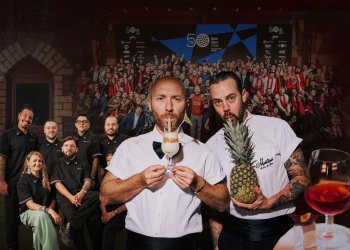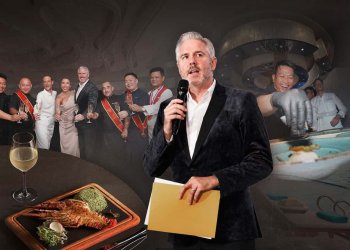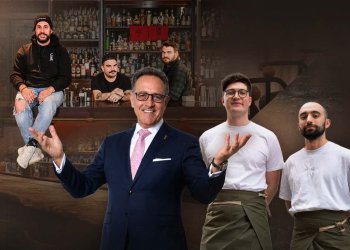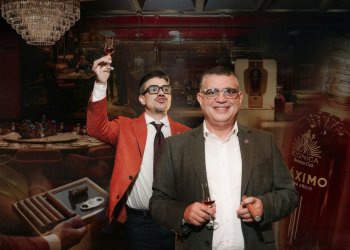



Beyond the scope of many cocktail events, India Bartender Show 2026 is propelling emerging talents, professionalizing learning, and giving domestic bartending global momentum. This time around, the hands that shake cocktails have been shaken by the organizers themselves – met on their own turf across a 10-city roadshow.
India Bartender Show has arrived in its second year. This one isn’t just a replay, it’s a rearticulation. While the first edition might have sought headlines, this one is quieter and noticeably braver.
India Bartender Show 2026: Its Second Time Stitching Together A Scattered Profession
The India Bartender Show’s objective was always to stitch together a scattered profession.
With this follow-up, it’s grown into active infrastructure, a deliberate, sometimes tender attempt to turn isolated ambition into a week-long celebration of collective craft with over 80 bars joining India Bartender Show’s beverage week between February 20-24, and the India Bartender Summit at Le Méridien Gurgaon, Delhi, on February 25-26. As part of the endeavor, a 10-city nationwide roadshow launched as part of the returning Handshake Grant initiative to ensure learning, exposure, and opportunity aren’t luxuries reserved for a few major cities.
India Bartender Show Comes From A Personal Place
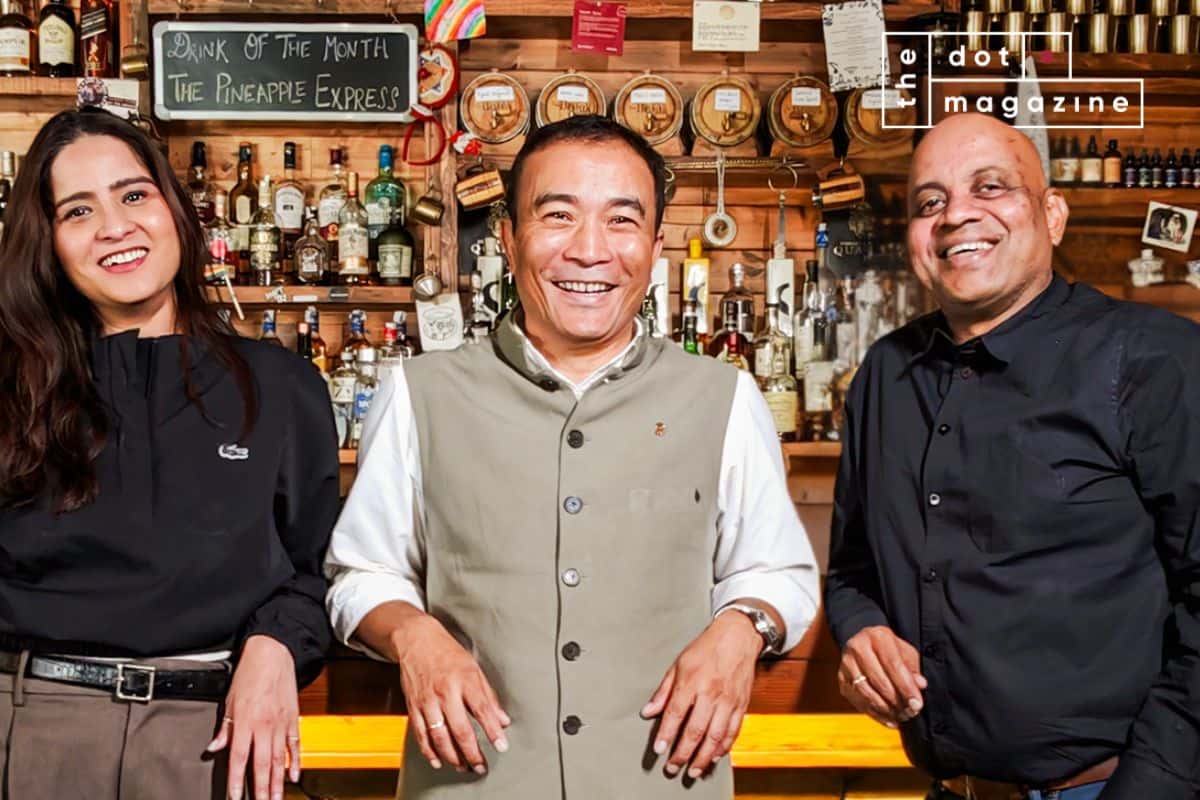
Minakshi Singh, one of the show’s founders – along with Vikram Achanta and Yangdup Lama – frames the endeavor as an answer to a personal quest: “India Bartender Show has always come from a very personal place for me,” she says.
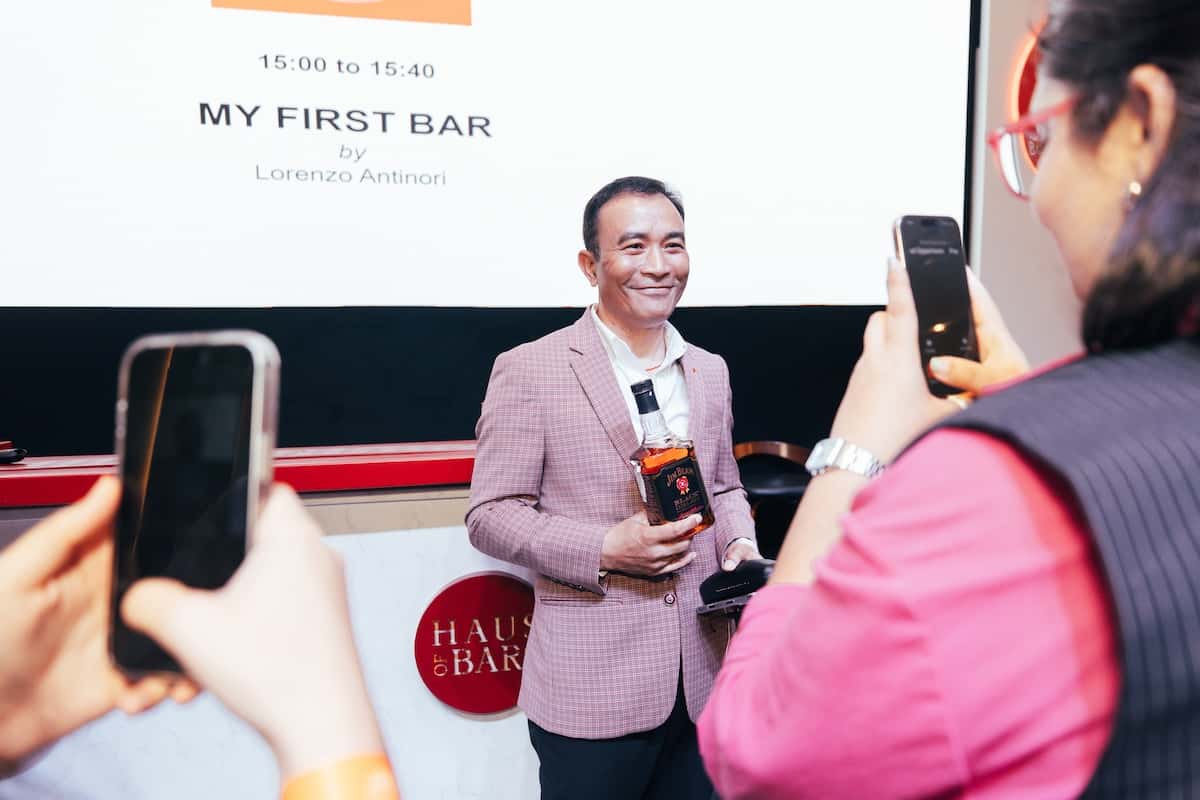
Minakshi is particularly proud of India Bartender Show’s Handshake Grant and roadshow this year.
Applications for the grant – focused on the 18 to 25 age bracket, with priority given to those with under five years of experience – closed on December 31, with 100 grants available to emerging bartenders to travel, stay, and attend the Bar Summit.
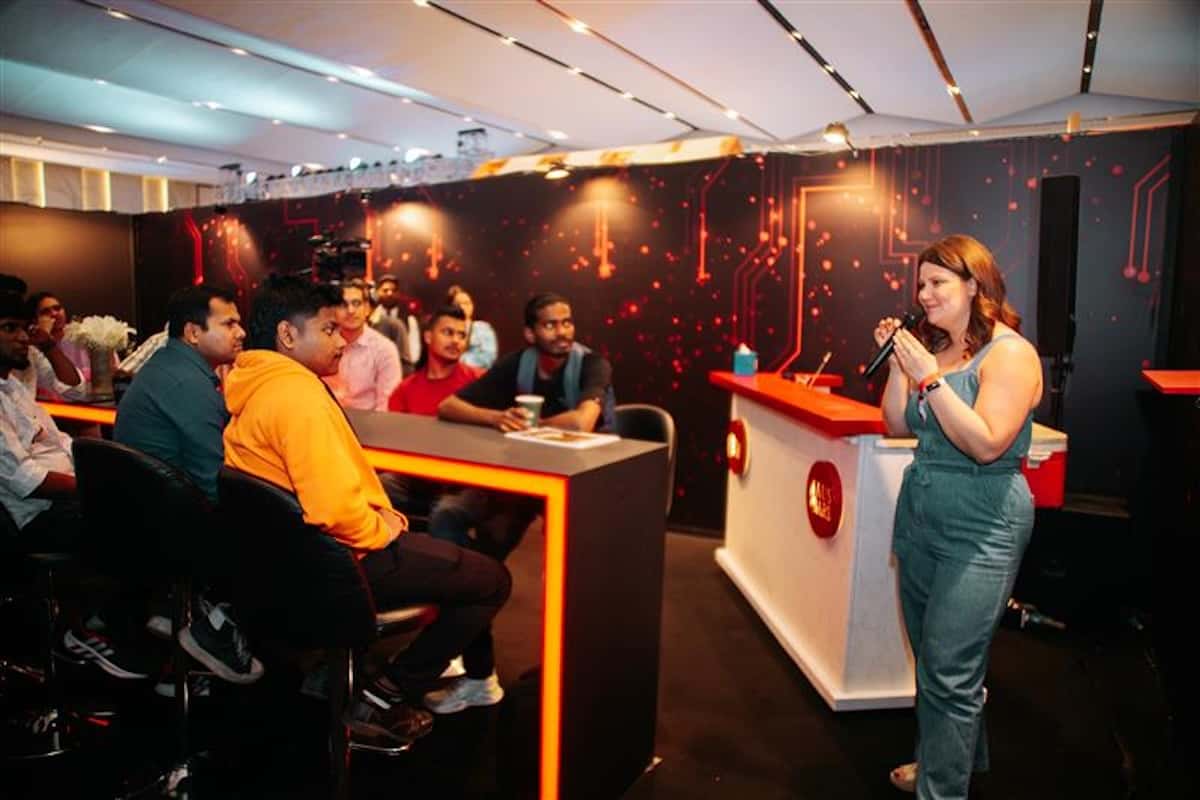
The team hit 10 cities – Hyderabad, Chennai, Bangalore, Mumbai, Goa, Pune, plus newer stops like Dehradun, Chandigarh, Jaipur, and Kathmandu – meeting bartenders on their own turf, tasting local flavors, and connecting with the communities who will help shape India’s bar scene.
India Bartender Show: Talent Deserves To Be Seen
But for Minakshi the program is more than travel stipends and workshop seats; it’s a visible hand extended to bartenders whose talent is flourishing away from the well-lit centers of hospitality, and thereby a statement that talent, wherever it grows, deserves to be seen and nourished.
The roadshow is a practical inversion of the old model where learning traveled only toward capital cities; here, the movement is centrifugal, bringing the platform outward and allowing conversation to travel back along the same route.
The idea is simple but structurally important. If the goal is to widen the pipeline, India Bartender Show starts by walking the map. That widening has shown up in the numbers. The Handshake Grant returned with renewed ambition, supporting 100 recipients again, and the second cycle recorded roughly a 30 percent increase in applications, with successful candidates drawn from nearly three dozen cities.
Those figures are useful shorthand, but what matters more is the texture they represent: bar managers in Nagpur and trainees in Dimapur sitting in the same masterclass as a peer from Delhi, exchanging questions about seasonal Indian ingredients and the logistics of team training.
The grant no longer reads as an occasional kindness; it’s beginning to validate careers and quietly shifting who gets to be at the table.
India Bartender Show’s Summit Program Is Becoming Purposeful
Programmatically, the summit has shifted from being an assemblage of talks to a layered curriculum.
Sessions range from the playful and sensory to the structural and managerial: freezing as a technique to sculpt aroma and mouthfeel; acidity discussed not just as a balance point but as a narrative device; and practical seminars on hiring, retention, and scaling teams.
Technology and ethics are threaded throughout – there’s a deliberate effort to see tools like AI as augmentation rather than replacement – and to place questions about sustainability and service systems on the same shelf as discussions of flavor.
This, then, is a conference that refuses the easy split between art and operations. Listening to the co-founders, the program’s intent becomes clearer still. Yangdup Lama positions the show as a raised floor for serious conversation “about raising the level of learning and conversation in our industry.”
This year’s agenda reflects that, with practical workshops on spirits and leadership sitting beside explorations of regional ingredients and hospitality philosophies. Yangdup’s point isn’t rhetorical: to nurture a craft you must give practitioners both the vocabulary to describe what they do and the systems to sustain it.
A Movement With An Outward Gaze
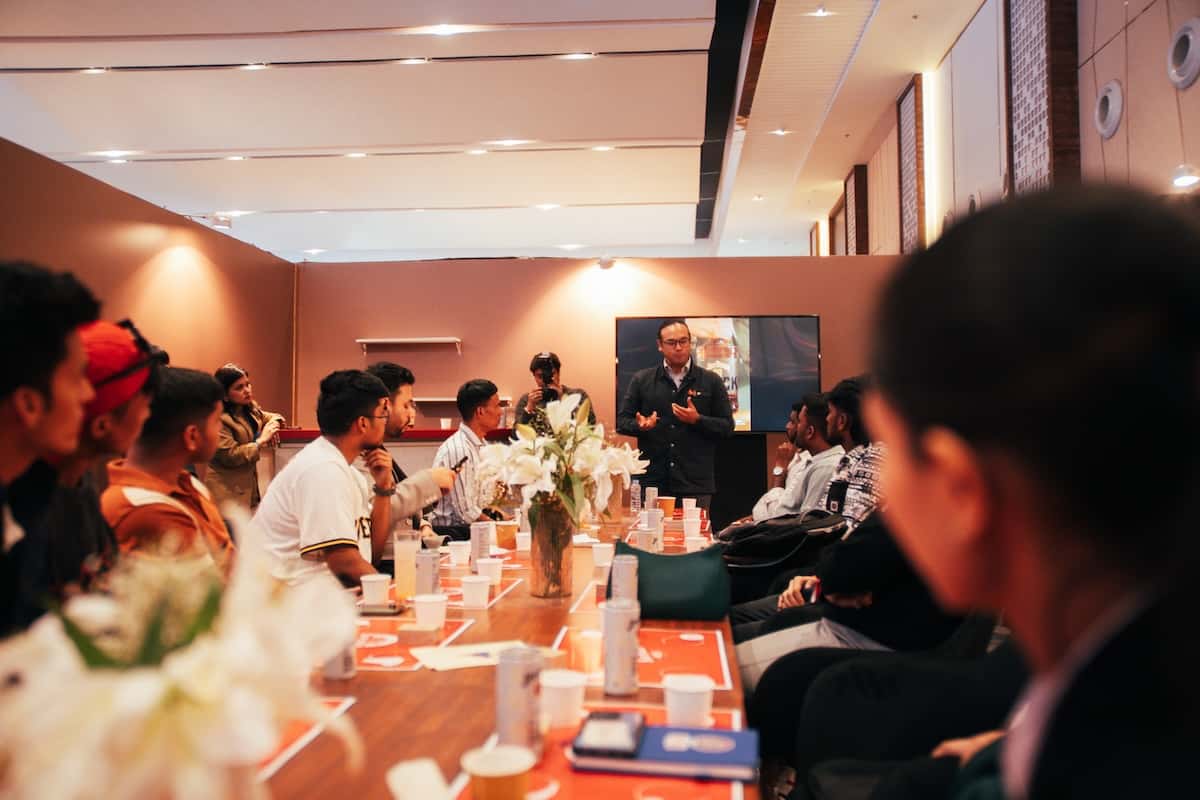
The third co-founder Vikram Achanta frames the entire project as a movement with an outward gaze. He argues that India deserves to be read not just as an emerging market but as a serious contributor to global conversation, a place with discipline, intent, and a growing habit of documenting and sharing knowledge. That positioning, when coupled with the Summit’s widening geography and a curated exhibitor space, becomes a statement to the wider world: India is ready to host conversations about technique and to export ideas, not just import trends.
The roster of sessions underlines that ambition. There are global bar icons like Iain McPherson, Founder of Panda and Sons, who uses temperature as a creative variable in cocktails; Nana Sechere treats acidity as architectural rather than incidental; Arijit Bose, who runs five of India’s top bars, brings the granular instincts of recruitment and mentorship into the spotlight. Add a quiet study of service philosophy by the legendary Shuichi Nagatomo and the picture is of a program built for future bar leaders.
Each speaker’s session is intended to change how someone might select an ingredient, manage a shift, or tell the story of a drink.
The Launch Of India Bartender Show’s ‘The Roster’
This year will also see the launch of ‘The Roster’, Delhi/NCR’s first definitive bar guide that brings out the city’s ever-evolving drinking culture, complete with trivia, a ‘Drinks Index,’ and spotlights on bartenders who have made a mark.
Where the first edition proved demand, this one asks how that demand can be made durable. Opening the show to ticketed consumer attendance for the first time is part of that strategy: it extends public literacy about bar craft, creates more routes for patron support, and normalizes the idea that a bar’s output is cultural content worth encountering and learning from.
Meanwhile, dedicated zones for agave, Indian craft spirits, beer, and no-low options make visible the production and supply chains that bars rely on and signal that India’s palate is widening.
Seen from outside the borders, these moves matter. If earlier Indian bartender shows came across as a vibrant expression of local practice, this Show’s second edition begins to map how that practice might translate internationally.
The deliberate inclusion of participants from Nepal and Sri Lanka, the professionalization of masterclasses, and the curatorial tilt toward systemic conversations about team building and technology all help to position India as a peer, not a pupil, on the global bar stage. This isn’t about boasting; it’s about creating structures, mentorship, documented techniques, and exportable events that allow Indian bartenders to enter global dialogues with confidence and credibility.
Investing In People, Place And Process
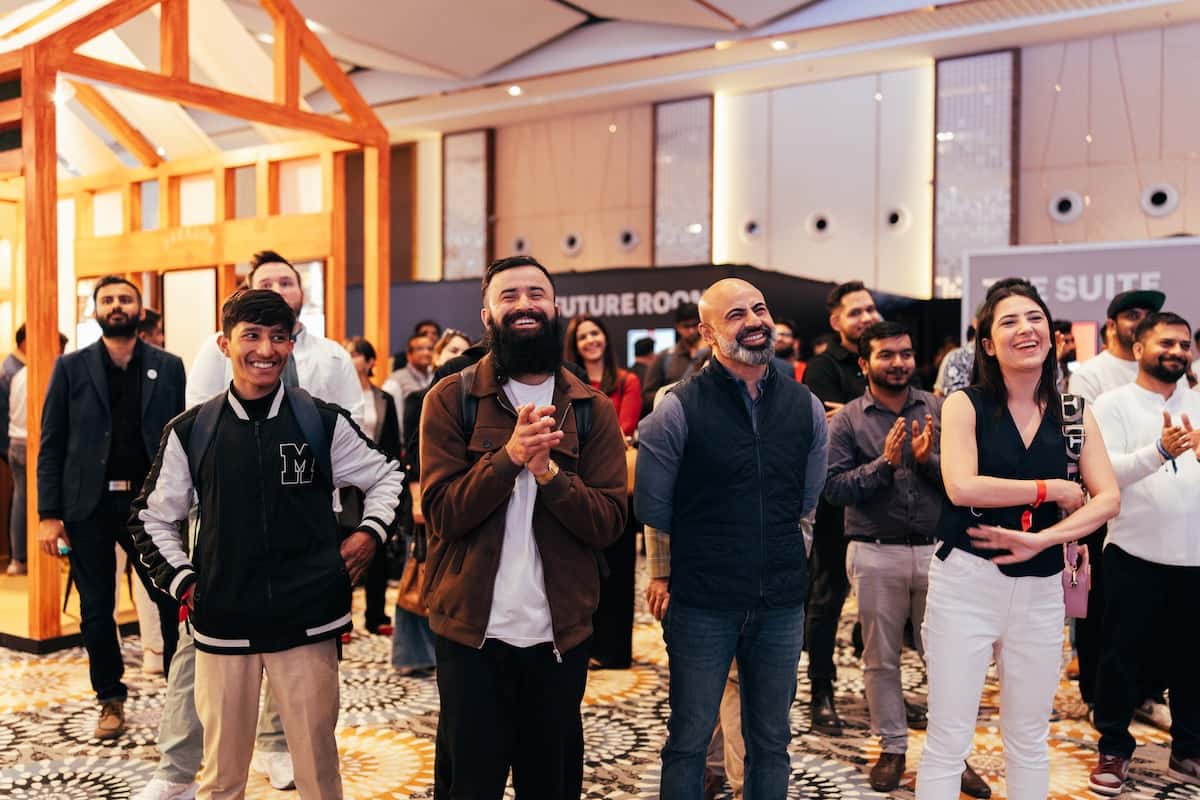
The result of all this feels less like an industry becoming visible and more like an industry becoming shareable. In rooms across the summit, the meeting of regional curiosity and seasoned pedagogy is designed to produce moments that matter: a small-town bartender learning a new stabilization technique, a head mixologist understanding how to codify training, or a brand representative seeing how local ingredients can be scaled without losing their story.
Those are the factory floors of influence; they are where craft turns into culture that can be explained, taught, and, when appropriate, exported.
If the second India Bartender Show’s promise is to rewire who gets access and how knowledge circulates, then its success will be measured in two ways: the immediate – stronger teams, sharper menus, and more connected careers – and the long term, whether India begins to be cited abroad for its systems and ideas rather than merely its novelty.
The founders have made a clear wager: that by investing in people, place, and process, the country’s bartending community will not simply grow larger, it will grow wiser. If that wager pays off, the global bar map will have a new axis drawn through cities and towns in India, and mapped by hands that have not only shaken but have been shaken.
India Bartender Show is a week long event February 20 – 24, 2026 showcasing creativity through bespoke drinks crafted with local Indian ingredients in over 50+bars. Consumers can experience the best of India’s vibrant bar culture. And the India Bar Summit is a two-day gathering on February 25 – 26 of industry leaders, bartenders, hoteliers, and influencers. Learn more by visiting the website here.