


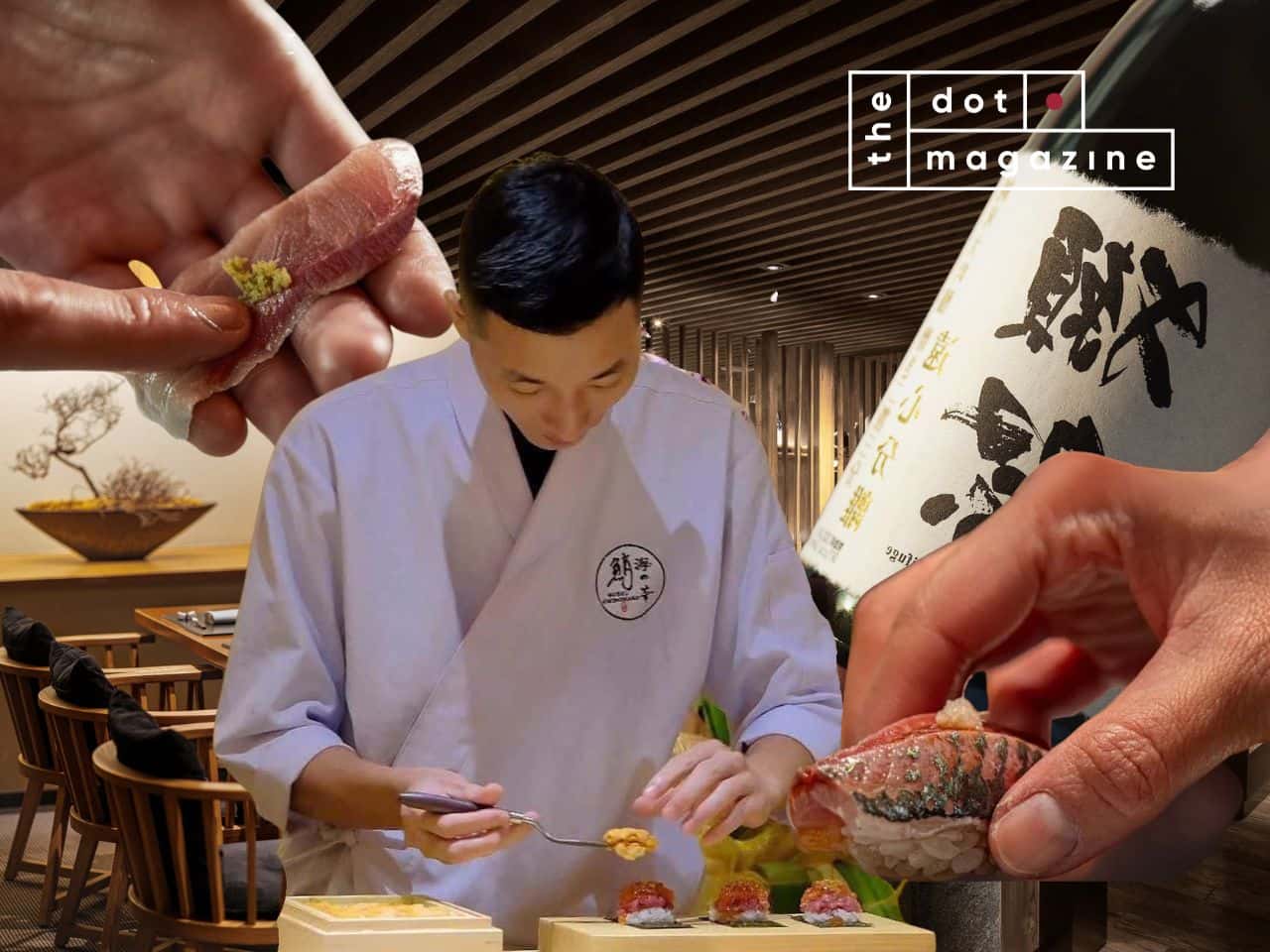
 From theatrical gold-dusted performances to whisper-quiet traditional counters, from beef omakase to hybrid sushi-teppanyaki concepts, the best omakase in Hanoi’s is often thrilling and unpredictable. Here’s where to find the experiences that matter most in our list of the best omakase in Hanoi.
We’ve spent months pulling up chairs to pristine counters across Hanoi. There, we surrendered our evenings to chefs who understand that omakase isn’t just about serving exceptional fish – it’s about crafting a composition that speaks to your palate and your willingness to trust in someone else’s vision of what’s good. Occasionally, there wasn’t any fish at all.
From theatrical gold-dusted performances to whisper-quiet traditional counters, to menus of premium and exclusive Japanese Wagyu, Hanoi’s omakase scene is eclectic and sometimes exceptional.
Thinking About The Best Omakase In Hanoi Something Occurred To Us
Because something occurred to us. Four or five years ago, the only omakase restaurants in Vietnam worth our attention were helmed by Japanese chefs.
These days, we noted, Vietnamese chefs were getting behind the counter and serving some seriously impressive sushi too. We’ve tested this theory extensively in Ho Chi Minh City’s omakase scene – pensively pulling up seats at pristine counters and sashaying out satisfied an hour or two later.
Setting Off In Search Of The Best Omakase In Hanoi
There was the edgy Maguro Studio, where skull-shaped soy sauce pots and graffiti-style tuna paintings announced this wasn’t your typical sushi experience. We watched shaven-headed Chef Linh build a solid reputation in District 7 before he joined the downtown scene at Shin-kon on Nguyen Thiep Street, where his knife work proved he could hold his own alongside the established masters.
These Vietnamese chefs fitted seamlessly into the landscape dominated by mainstays like Kintarou Kiyota’s reliably consistent set menus at Sushi Sake Restaurant Kiyota and Tomohiro’s refined approach at Sushi Rei. So, what, we wondered, would the best omakase in Hanoi be like?
Why We Need To Know The Best Omakase In Hanoi (And Every City We Frequent)
We discovered that in this diversified landscape of the best omakase in Hanoi, the beauty still lies in its surrender to expertise. You’re not just ordering dinner; you’re commissioning a curated experience, crafted specifically for your palate, your evening, your willingness to trust in someone else’s vision of perfection.
Omakase literally translates to ‘I leave it up to you’ – a phrase that reflects the diner’s willingness to relinquish control over their meal to the chef. But in practice, it’s so much more than culinary surrender.
The experience unfolds as a carefully choreographed performance. The chef considers not just the fresh ingredients procured that day, but also your preferences, the season, even the rhythm of the evening. Each piece of nigiri arrives at the precise moment when your palate is ready for it – the fatty tuna following the clean bite of sea bream, the sweet shrimp providing relief after the intensity of sea urchin. Often there’s a play of temperature and textures.
In truth, these days, omakase often means a set seasonal menu – not simply a curation of the fresh ingredients that came in today. And while there are specialist omakase restaurants in Hanoi, serving only the chef’s set-courses, others offer a la carte too, and even, in the case of places like Mizumi Westlake, a multi-concept space with teppanyaki, a modern Japanese dining room, and a sushi and omakase counter. Then there’s Nuboko Sushi & Teppanyaki, where their modern vision of omakase that features both raw and grilled dishes.
The Best Omakase In Hanoi
So we set off to find the best omakase in Hanoi – the wasabi still prickling on our palate, the silky sake still sliding down – to see how they do things up north.
Yuzu Omakase Hanoi
If you’ve been following Saigon’s dining scene – or you’re simply an avid reader of The Dot Magazine – you’ll know Yuzu Omakase Hanoi (17 Thai Phien, Hai Ba Trung) as the follow-up to the theatrical sushi-ya that turned omakase into edible performance art when it opened in Ho Chi Minh City in 2022.
Now, the concept has made its way north to the capital, and frankly, it feels even more at home here – fast establishing itself as one of the best omakase restaurants in Hanoi.
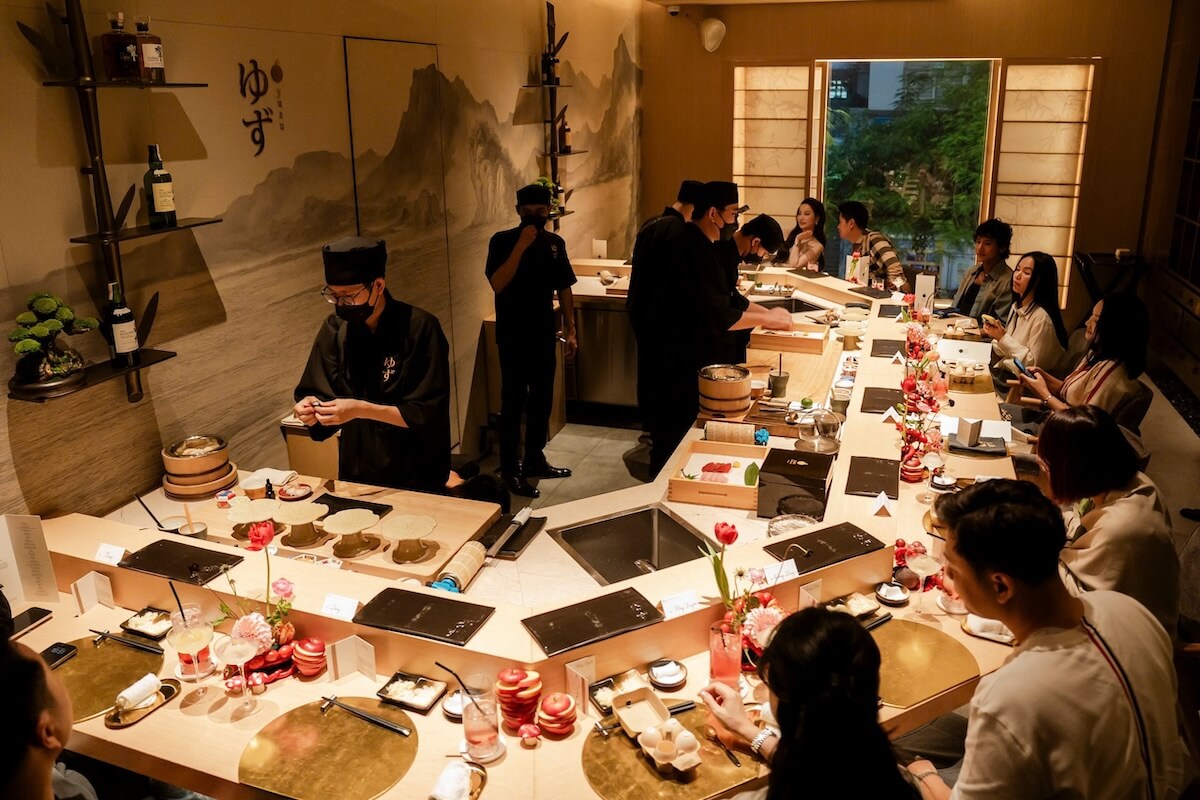
Located on Thai Phien Street, surrounded by heritage homes and embassies, Yuzu Hanoi trades some of its southern sibling’s flashiness for something more contemplative – though the gold leaf still drifts through the air like cherry blossoms, and smoke still billows dramatically from under stone cloches covering buttery cuts of tuna and yellowtail.
The space itself feels intentionally intimate, designed with clean lines, soft curves, and filled with handcrafted Dó paper and Bát Tràng ceramics. But don’t mistake restraint for lack of spectacle. Fire still sizzles, bubbles pop, and that signature gold glitter mists through the air in choreographed movements that never tip into chaos.
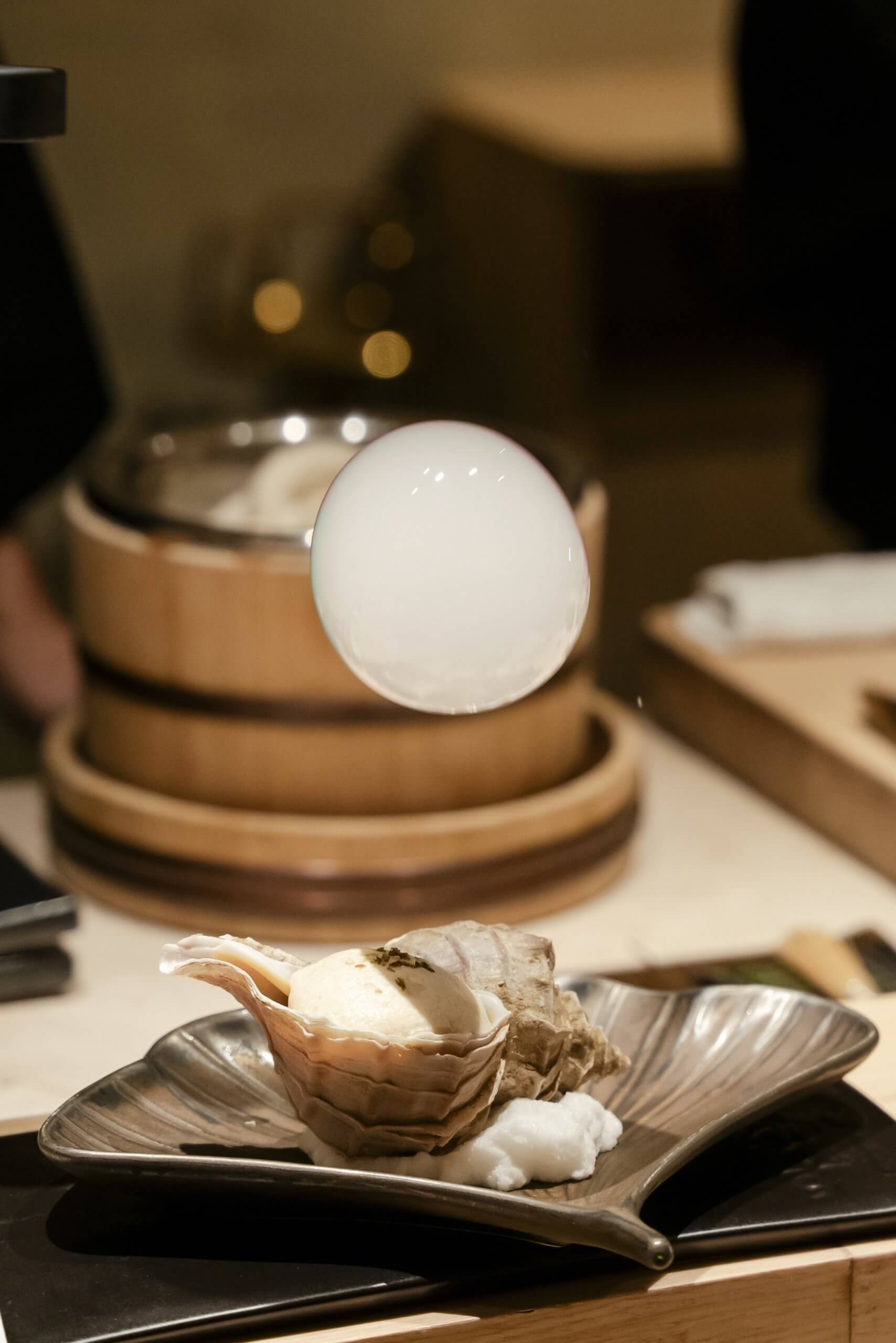
The set menus – ‘The Rhythm’ at lunch, building up to ‘The Journey’ and the signature ‘The One’ – promise mastery, memory, and the art of craft.
Take ‘The Journey’s’ Wagyu Misuji, plated atop a stone tablet modeled on Mount Fuji, where A5 Wagyu melts into buttery richness that dissolves on the tongue. Or the Bafun Uni Toast, a study in textural contrasts where creamy, briny uni spreads across crisp toast while earthy truffle adds forest-floor complexity, finished with that shimmering gold flourish.
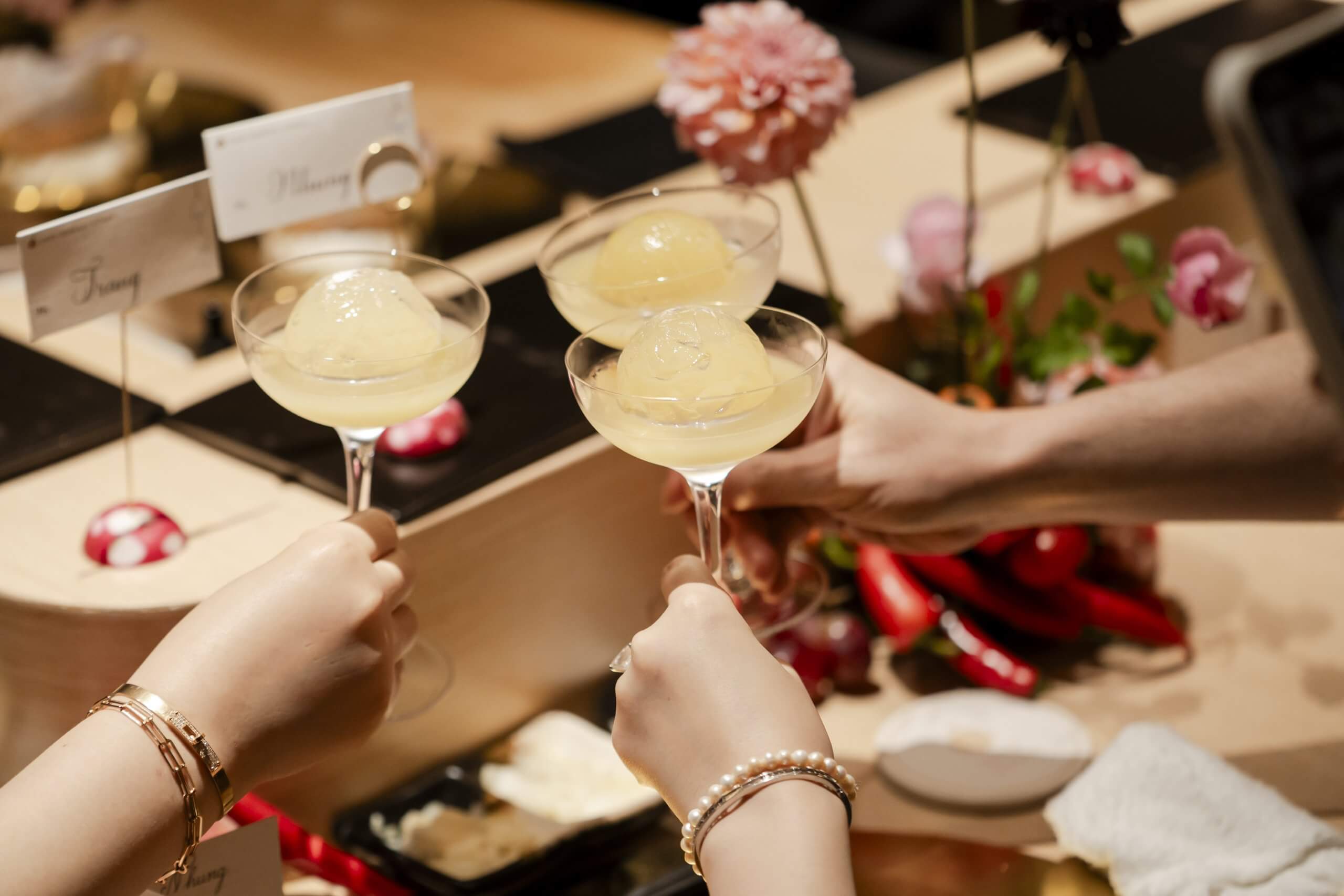
The counter becomes the stage, with no separation between kitchen and experience. As they say in Hanoi: “Hà Nội không vội được đâu” – you take your time. And that mindset shapes everything here, from the pacing of courses to the way conversations unfold between the theatrical moments. It’s nothing loud, but it lingers.
Sushi Uminohana Hanoi
Stepping into Sushi Uminohana (70 Phan Ke Binh, Ba Dinh, Hanoi) is reassuring. It’s the kind of quiet confidence instilled by a place that knows exactly what it is – a traditional sushi-ya serving premium flown in Japanese catch – and refuses to apologize for it. This might be Hanoi’s most esteemed sushi counter, and it wears that reputation like a well-tailored chef’s jacket: understated, impeccably cut, and unmistakably authoritative.
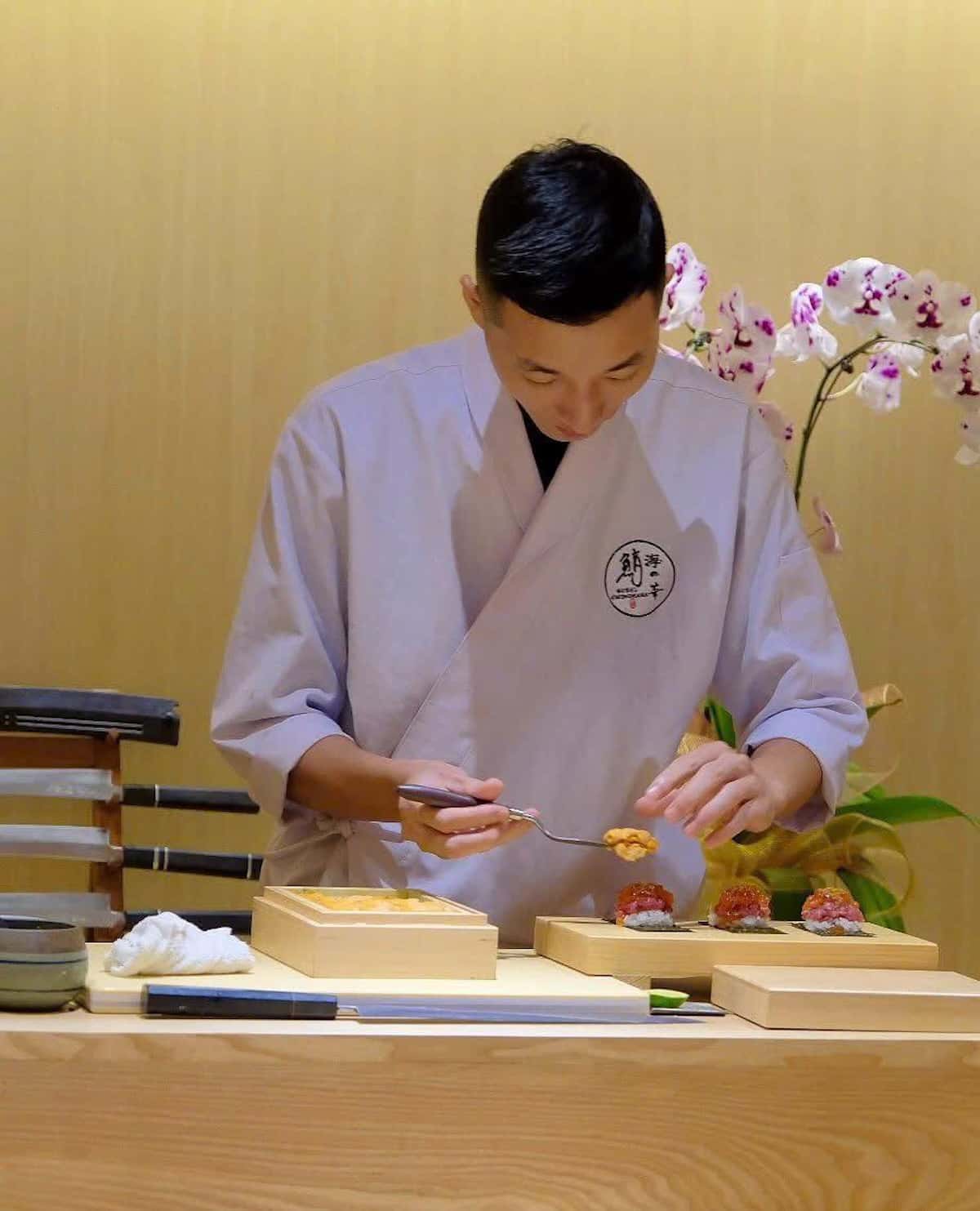
The space itself whispers rather than shouts, with clean lines and that particular kind of intimacy that makes solo diners feel welcomed rather than conspicuous. Behind the counter, the head chef orchestrates each evening with the kind of precision that speaks to years of training – much of it earned in Japan, where the fundamentals of this craft were perfected.
The omakase here unfolds in three distinct journeys, each calibrated to different appetites and occasions. The 1.8 million VND experience serves as an elegant introduction – six pieces of seasonal sushi preceded by the day’s sashimi selection and punctuated by that essential steamed egg that announces serious intentions.
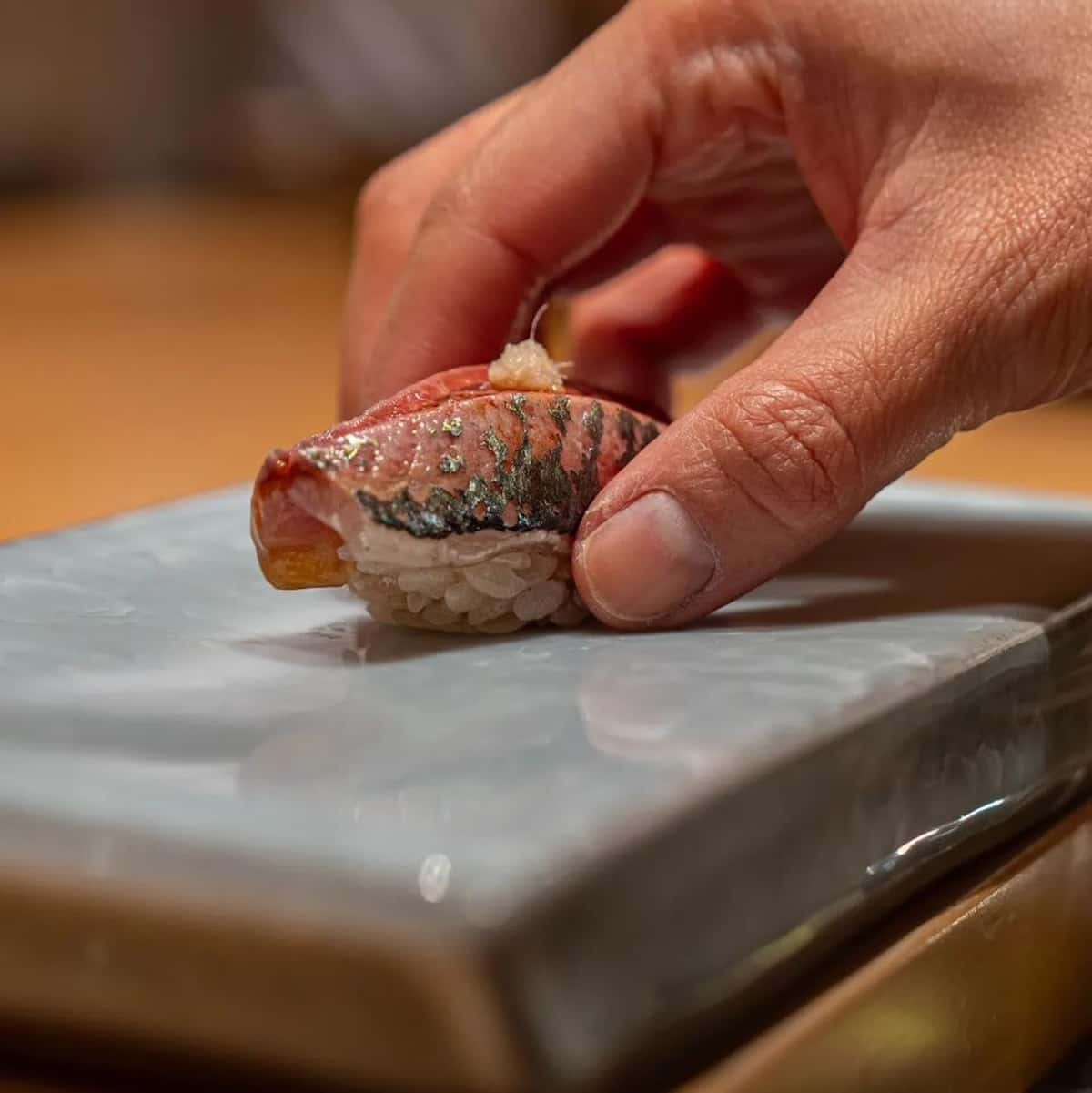
Step up to the 4 million VND journey, and you’re entering more ambitious territory. Here, the chef’s personal touches emerge – those small dishes that bear the signature of individual creativity, the choice between grilled Wagyu A5 or the day’s finest fish, the restaurant’s signature creation that defines their particular vision of perfection.
The middle path at 2.5 million VND strikes that perfect balance between indulgence and restraint, offering enough complexity to satisfy the serious omakase devotee while maintaining the accessibility that makes this such a beloved neighborhood institution. The seasonal dish here often showcases ingredients at their peak, timed to that narrow window when flavor and texture align perfectly.
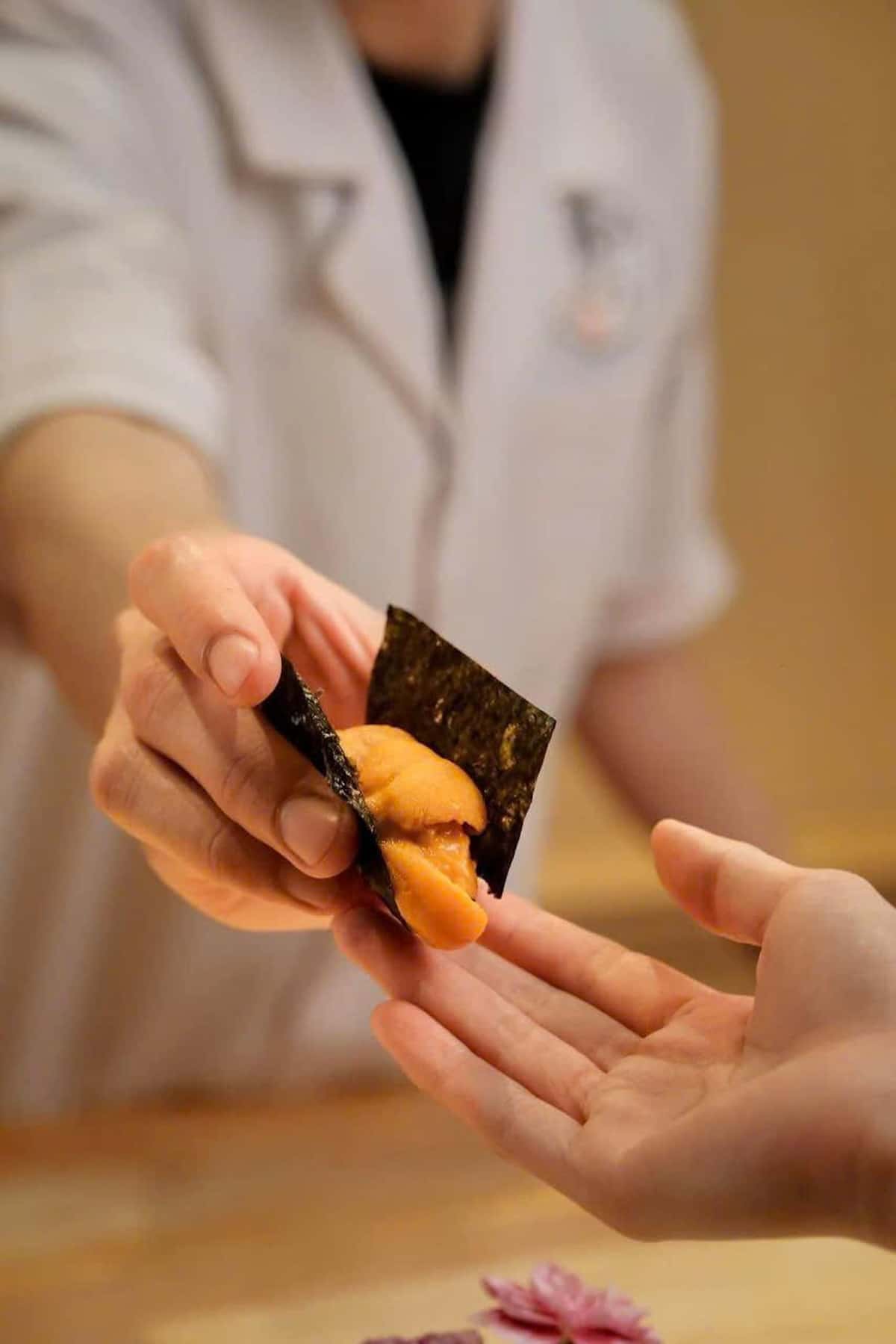
Like Yuzu, Sushi Uminohana has a sister location, Umi no Sachi in Ho Chi Minh City – as well as a teppan joint also in Hanoi. In a city where omakase options continue to multiply, Uminohana remains the gold standard – not because it’s the flashiest or most innovative, but because it understands that true mastery lies in making the extraordinary seem effortless, night after night, course after course, piece after perfect piece.
Azabu
There’s a quiet revolution happening on the second floor of Hôtel du Parc Hanoï. Azabu (84 Tran Nhan Tong) hails from the MICHELIN-Star concept that made its name in New York and Miami – has landed in Hanoi, and it’s brought with it a level of precision that’s reshaping what omakase can be in Vietnam’s capital, while being named on the MICHELIN Selected list for three consecutive years.
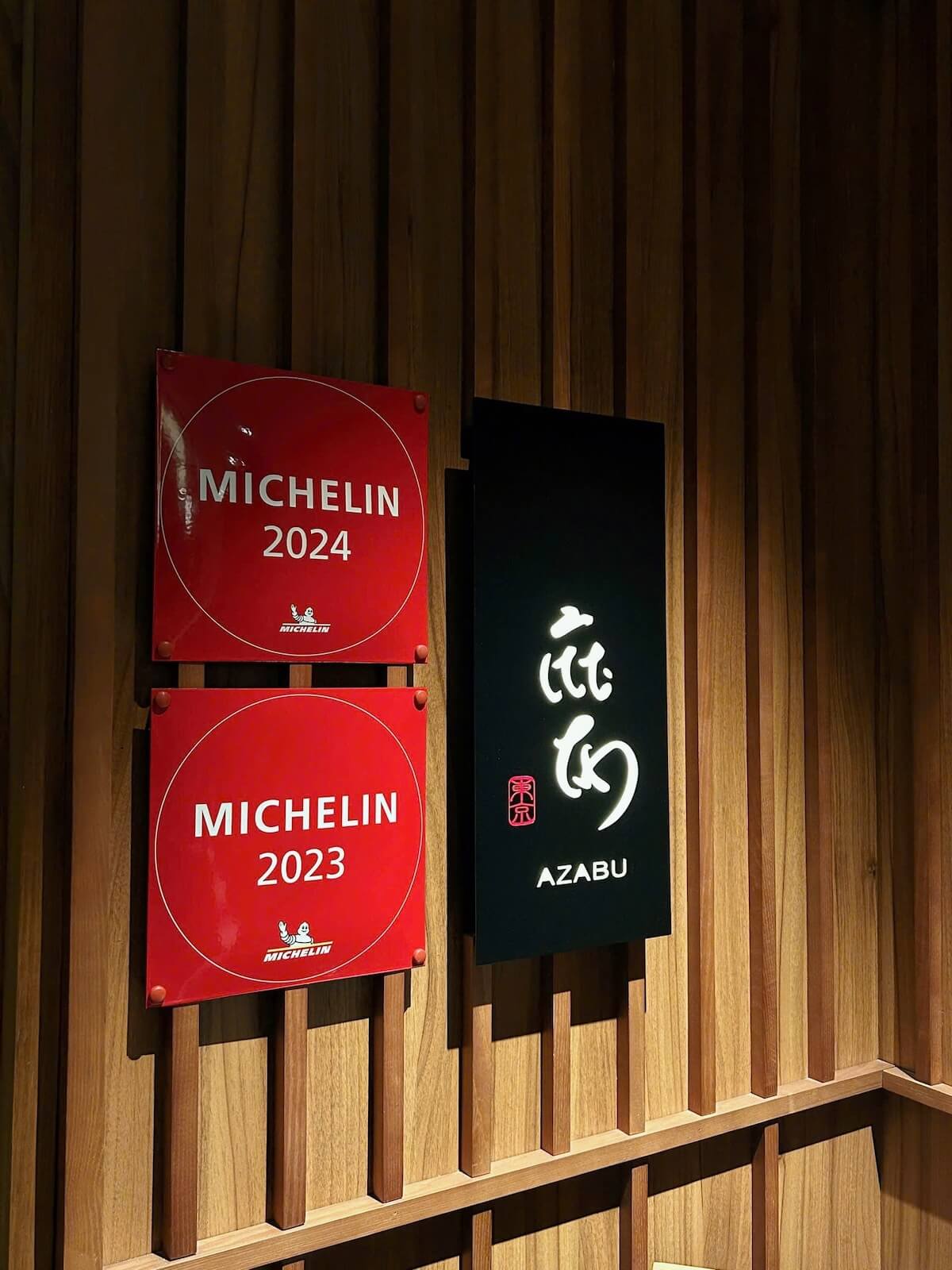
“We’re the quiet rebels of Hanoi’s dining scene,” they tell us, “bringing authentic Japanese cuisine to Vietnam without the fanfare, but with all the precision.” It’s an apt description for a restaurant that operates on an entirely different frequency than most of the city’s dining scene.
Limited to just 11 guests per evening, Wednesday through Saturday, Azabu feels more like a private dining room than a traditional restaurant. The counter curves in an intimate horseshoe, creating the kind of enclosure that makes each guest feel like they’re witnessing something exclusive. And they are. Executive Chef Toshihide Terado brings serious credentials – he was part of the team that earned Azabu New York its Michelin star, and his knife-sharp expertise is evident in every piece of nigiri that crosses the counter.
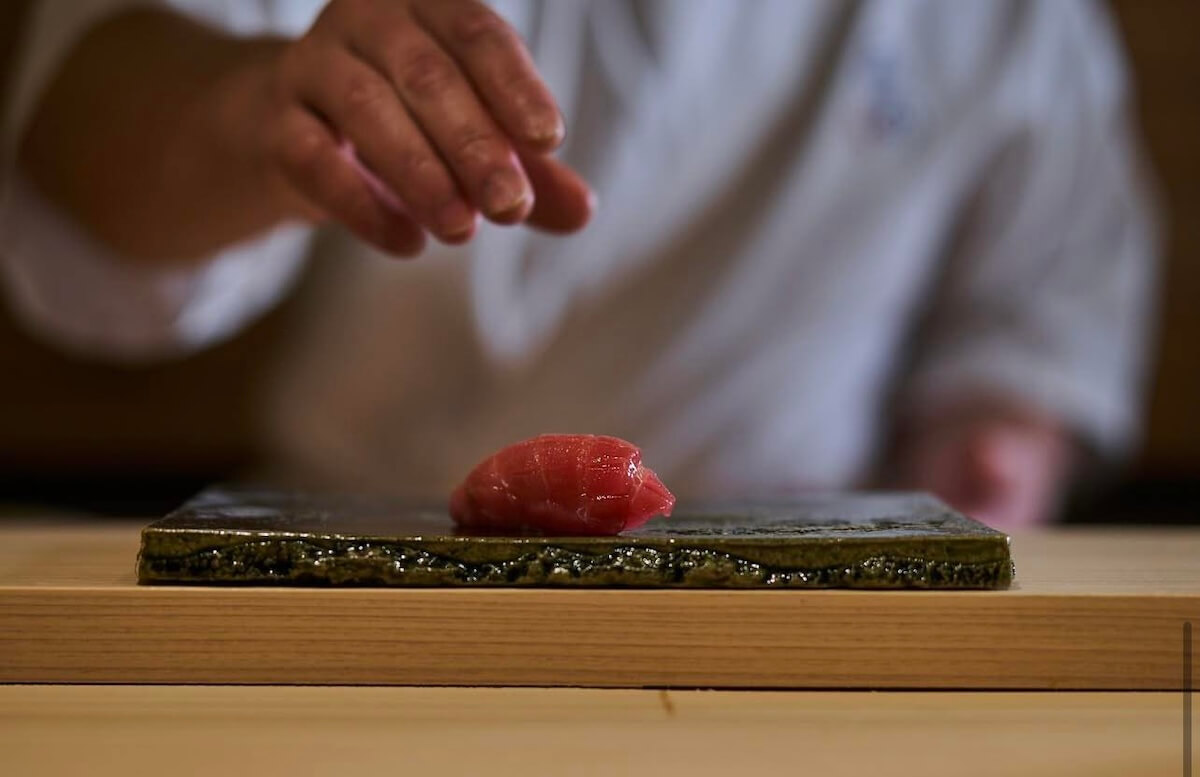
“What we do is simple,” Azabu explains. “We respect ingredients, honor technique, and create experiences that linger long after the last bite. This isn’t just dinner – it’s a meditation on what Japanese cuisine can be when it’s done right.”
Their commitment to restraint is clear. “We don’t do theater. We don’t need to,” they say with quiet confidence. “Chef Terado’s Omakase speaks through pure technique and ingredient integrity.” There’s no drama here beyond the quiet mastery of blade meeting board, rice meeting fish, perfection meeting palate.
The restaurant’s approach reflects the Japanese philosophy of kaizen – continuous improvement. “As a Japanese-managed restaurant, we live and breathe omotenashi – that spirit of wholehearted hospitality that anticipates your needs before you even know you have them.”
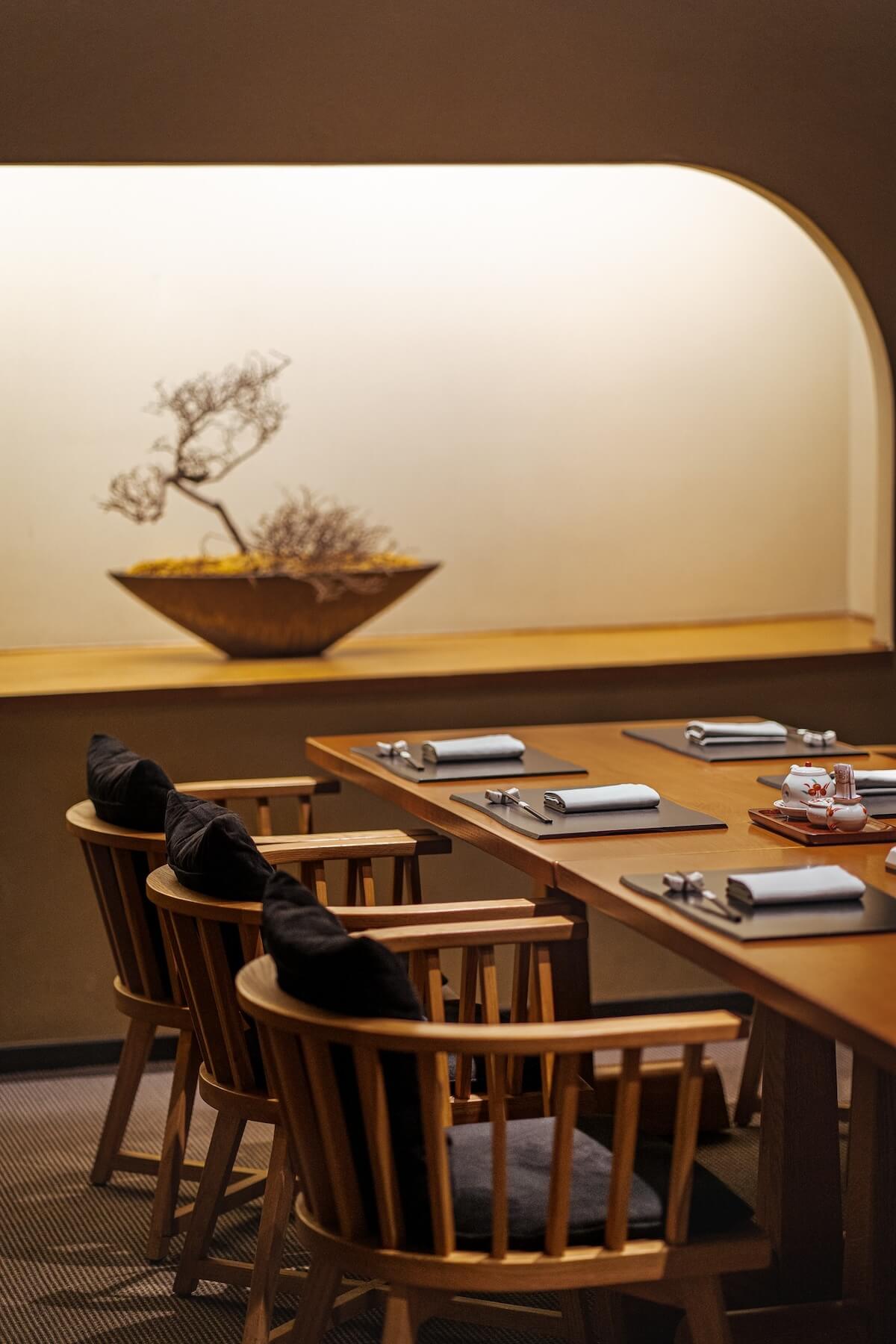
It’s pure escapism too. “Azabu is where you go when you want to disappear for a few hours,” they concur. The atmosphere is calibrated for intimacy: “Refined without being stuffy. The kind of place where conversation flows as smoothly as the sake, whether you’re closing a deal or falling in love.”
And, for the perfect experience their advice is immediate: “Counter, no question. That’s where the magic happens.” Watching Chef Terado work is as much a part of the experience as the food itself. “The Omakase course is a ticket to understanding what AZABU is really about. Trust us. Trust him. That’s what omakase means, after all.”
“Honestly, just come,” they add finally. “Some things can’t be explained, only experienced.”
Yazawa Hanoi
Time for something different. Yazawa Hanoi (42 Tran Nhan Tong, Hai Ba Trung) represents a fascinating gear-change in Hanoi’s omakase landscape – a yakiniku restaurant that has taken the omakase concept and applied it to what might be Japan’s most prized ingredient: A5 Wagyu beef. 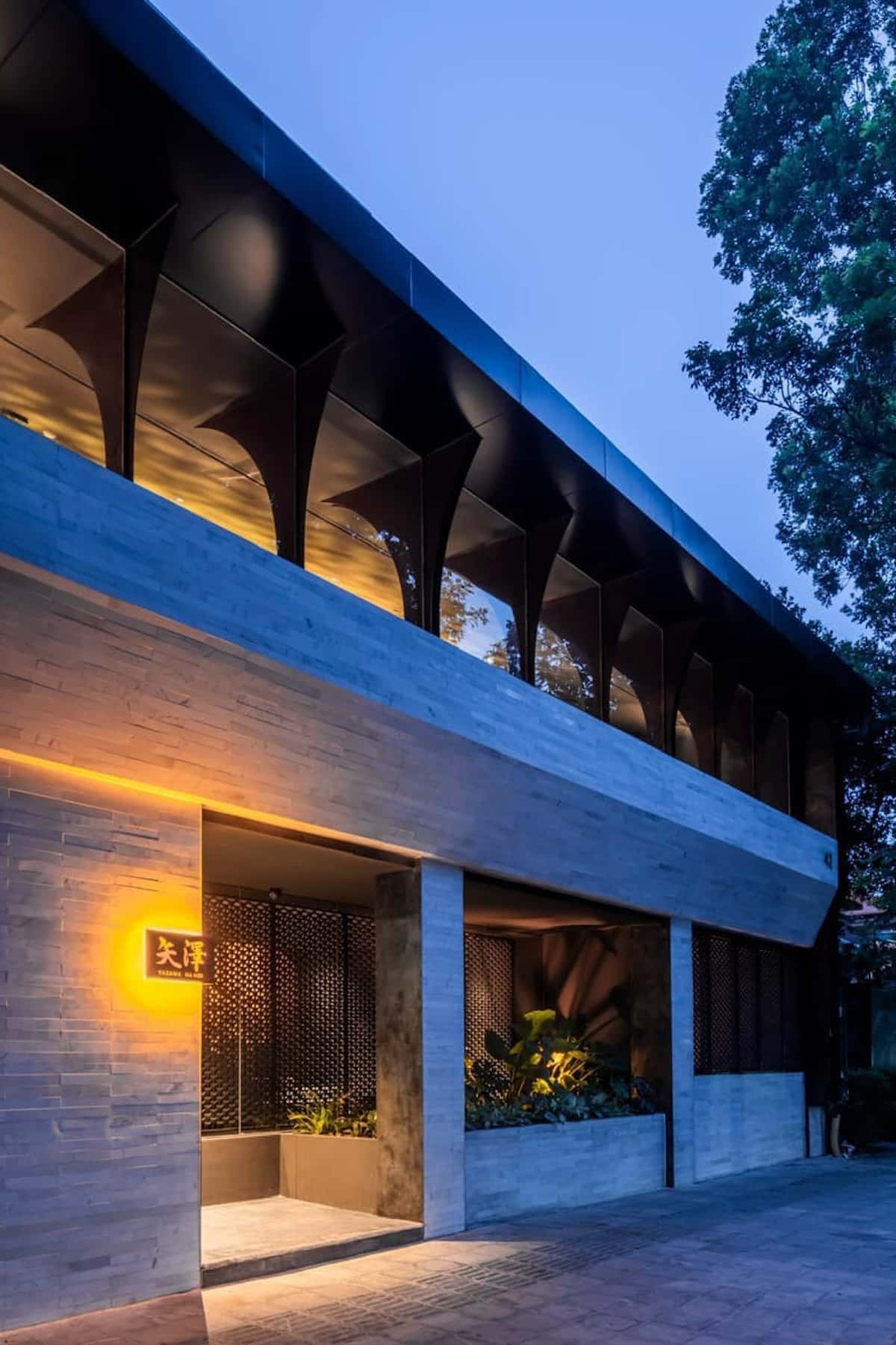
Following the success of its Ho Chi Minh City counterpart, which firmly established itself as one of the south’s most refined dining experiences, Yazawa Hanoi brings the same philosophy north with a twist that feels perfectly suited to the capital’s more contemplative dining culture.
Like the Japanese fortress-like original, designed by Joe Chikamori and 07BEACH, here another celebrated Japanese architect, Takashi Niwa, has created a space where cast iron – a reference to the thrilling act of grilling that goes on inside – adds industrial edges to this yellow-walled French villa.
This isn’t sushi omakase – it’s beef omakase, where the chef’s expertise lies in understanding the nuances of premium Wagyu cuts, their optimal cooking temperatures, and the precise moment when each piece reaches its perfect state. The restaurant offers four distinct omakase experiences, each built around the legendary Yazawa beef program.
The Signature Omakase (1.98 million VND per person) serves as an introduction to their philosophy, featuring wagyu sushi – yes, beef sushi – alongside thinly sliced beef tongue and the signature Yazawa-yaki sirloin or roasted ichibo with wasabi ponzu. It’s a composition that educates the palate through different cuts, preparations, and techniques.
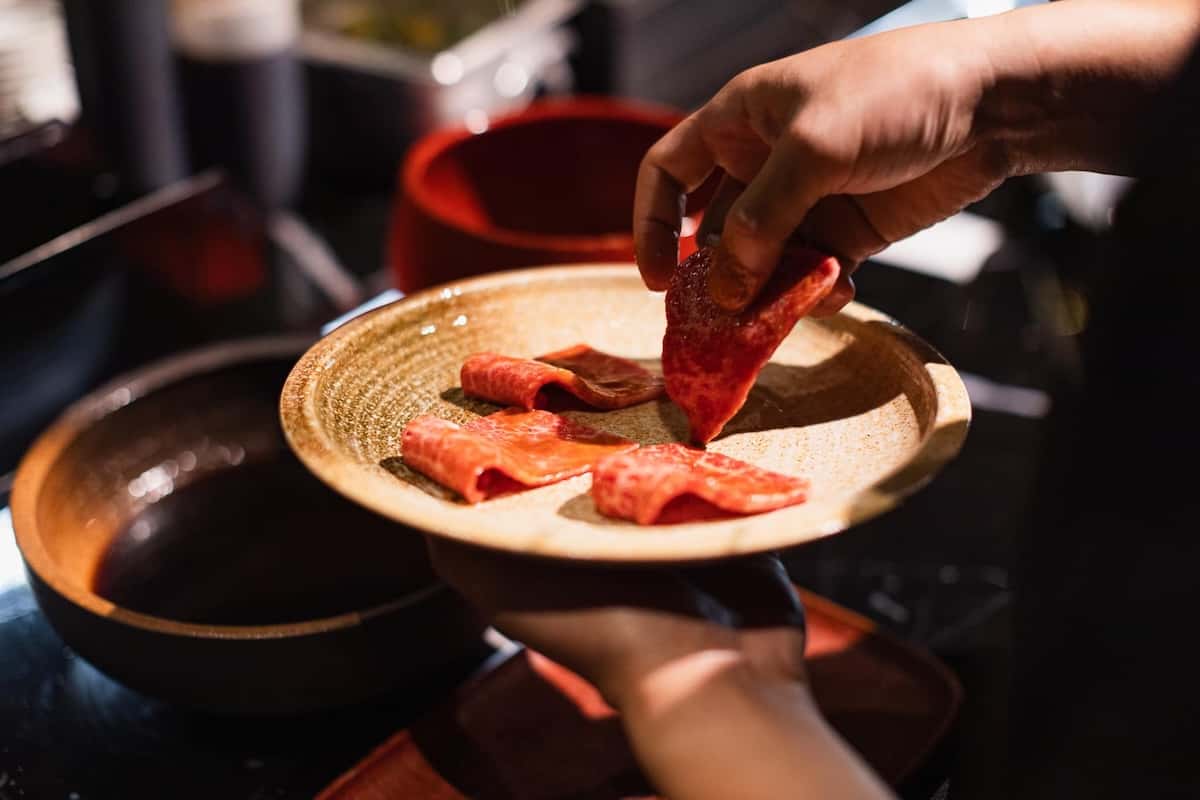
Chef’s Omakase (2.48 million VND) elevates the experience with two kinds of wagyu appetizers, superior thick beef tongue, and the addition of wagyu chawanmushi – that silky steamed egg custard elevated with beef rather than the traditional seafood. The inclusion of “today’s wagyu steak” suggests the same seasonal flexibility that defines great sushi omakase.
Premium Omakase (2.98 million VND) pushes into serious luxury territory with superior wagyu appetizers, wagyu and seafood chawanmushi, and tenderloin steak. The addition of seasonal rice or noodles provides a satisfying foundation for what’s clearly a substantial beef-focused journey.
The Hanoi Special (4.2 million VND) represents the ultimate expression of their craft – wagyu yukke (beef tartare), prime thick beef tongue, Chateaubriand steak, and tenderloin seasoned special rice, concluding with Fuji melon and egg pudding.
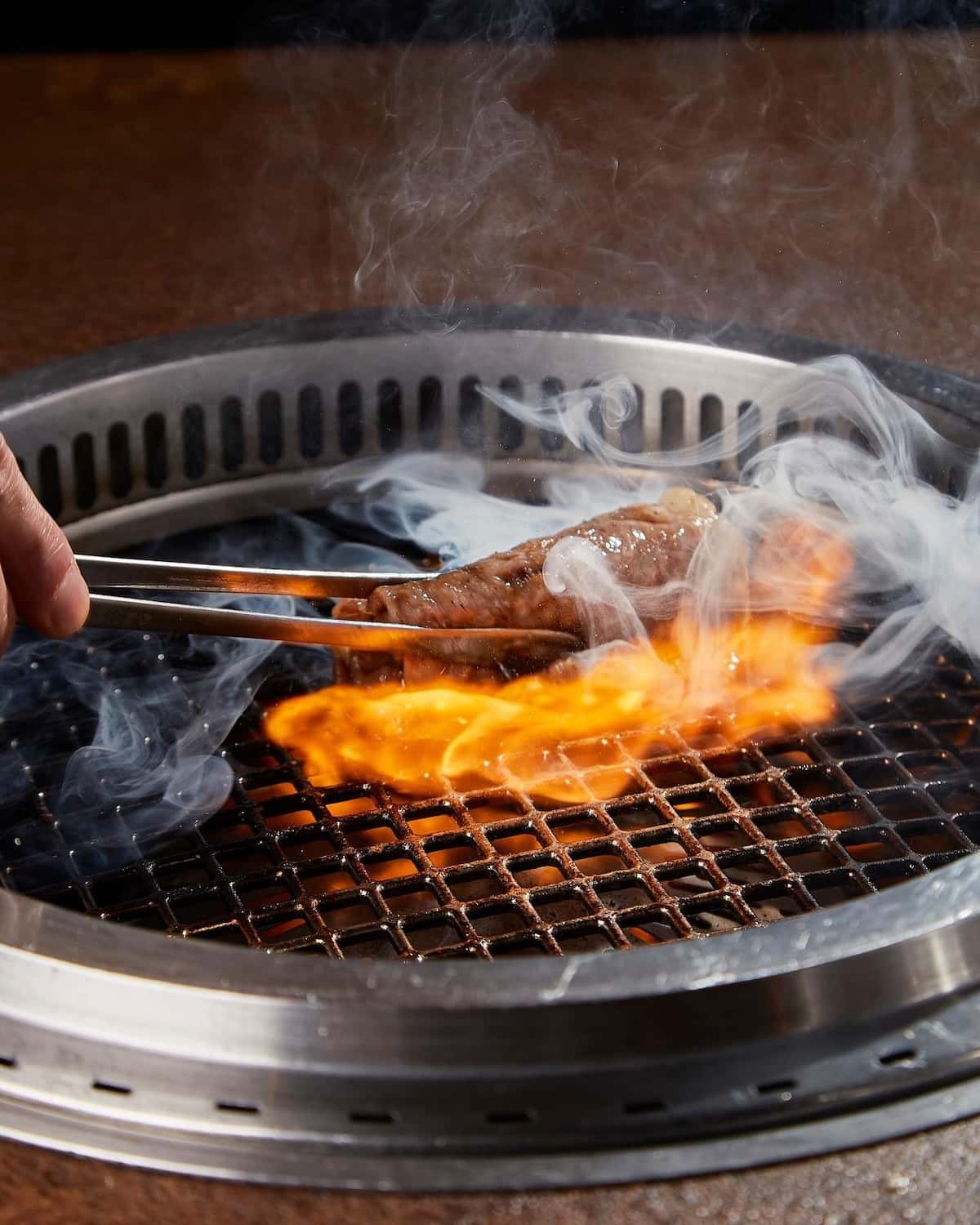
What’s particularly clever is how Yazawa has adapted the omakase experience from its traditional sushi context to showcase Wagyu beef. Each course unfolds with the same careful progression you’d expect from a great sushi counter – building flavors, textures, and intensity toward a crescendo that leaves diners both satisfied and educated about what exceptional beef can be.
The optional wine pairing (800 VND for four wines) acknowledges that beef of this caliber deserves equally thoughtful beverage accompaniment, creating a complete sensory experience that rivals any traditional omakase.
Mizumi Westlake – Sushi, Teppanyaki & Omakase
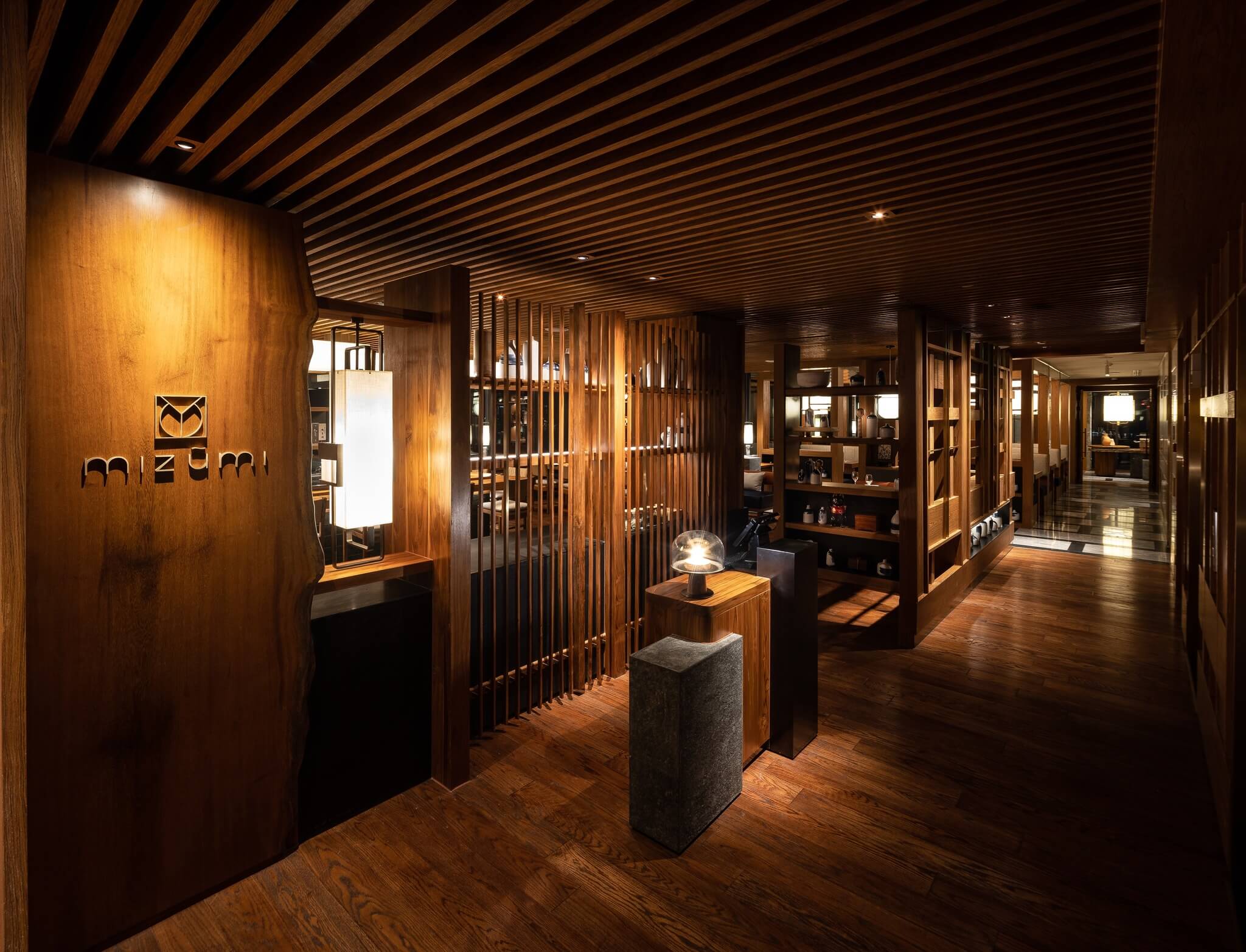
Mizumi Westlake – Sushi, Teppanyaki & Omakase is a multi-functional space with clean lines and West Lake views that provide natural drama without needing theatrical flourishes.
It’s the kind of environment where business meetings flow as smoothly as date nights, where families feel as welcome as solo diners seeking a moment of culinary meditation. Their lunch sets start at a surprisingly accessible 800K VND, featuring three seasonal appetizers, chawanmushi, five pieces of sushi with three sashimi, miso soup, and seasonal fruits.
The progression through their menu tells a story of escalating luxury. The 1.2 million VND lunch adds Hokkaido kaki and wagyu to the equation, while dinner service pushes into more serious territory. At 1.4 million VND, wagyu tartare and gindara saikyo (miso-marinated black cod) enter the conversation. The premium 1.8 million VND experience brings toro and chilled wagyu – ingredients that signal the kitchen’s access to truly exceptional products.
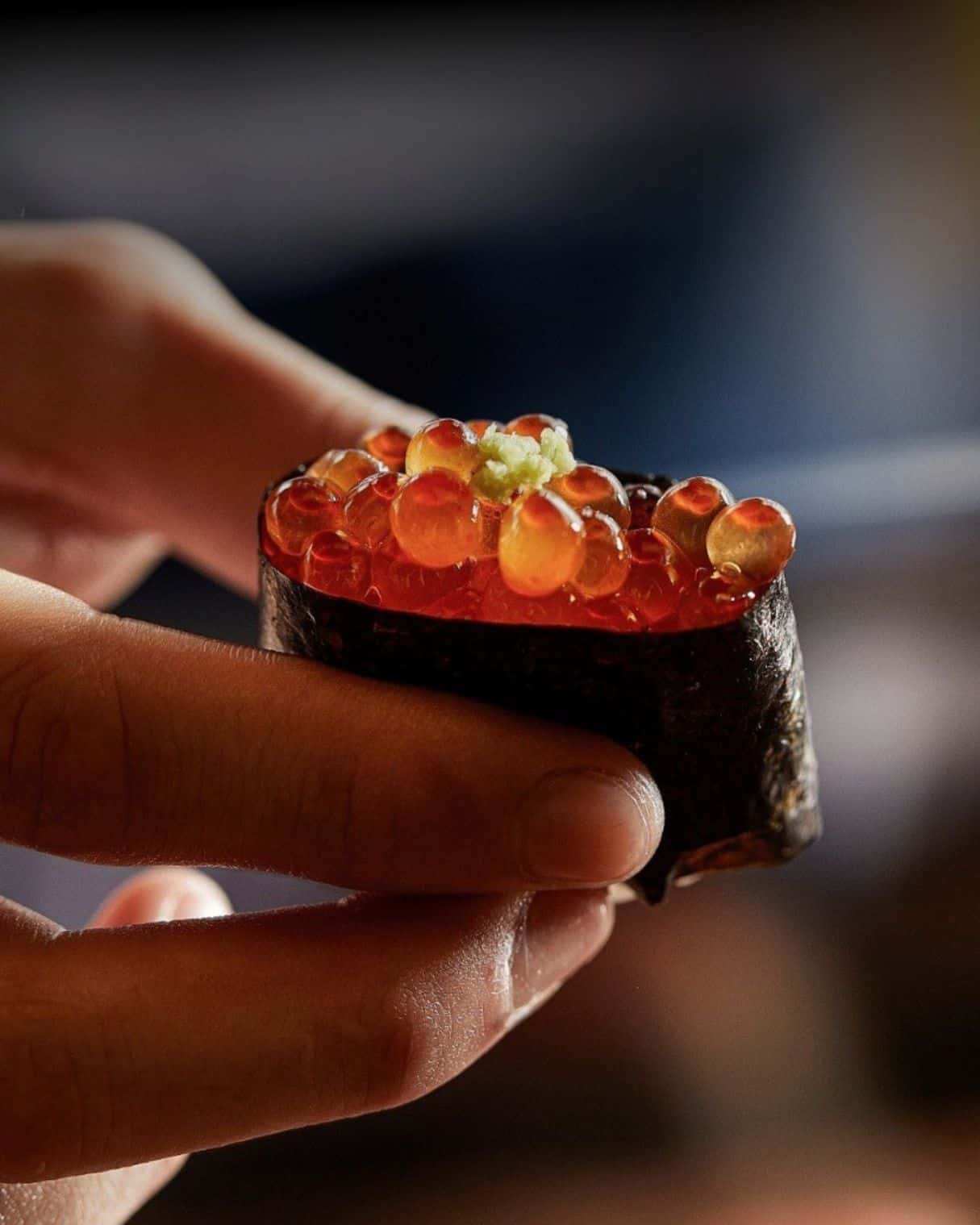
But pricing means nothing without execution, and Mizumi delivers where it counts. Their sushi rice strikes that crucial balance between structure and tenderness, while their fish selection demonstrates the kind of sourcing that separates competent sushi from memorable experiences. The seasonal approach evident in their menu composition – from the opening appetizers to the closing Japanese melon – suggests a kitchen that understands omakase as more than just expensive ingredients arranged on a plate in some semblance of order.
The Sky Lounge adds another dimension to the experience, offering rooftop views and cocktails that extend the evening beyond the final course. And so, Mizumi Westlake has carved out a middle path among the best omakase in Hanoi that feels both sustainable and satisfying. They’ve proven that omakase doesn’t need to be prohibitively expensive to be genuinely worthwhile. Oh, and those views come for free.
Kappou Hanoi
Tucked away on Nguyen Dinh Thi Street in Tay Ho, Kappou Hanoi (15a Nguyen Dinh Thi, Thuy Khue, Hanoi) represents something quietly revolutionary in Hanoi’s omakase scene – a restaurant that has been perfecting the art of Japanese hospitality since 2018, long before omakase became the city’s dining obsession.
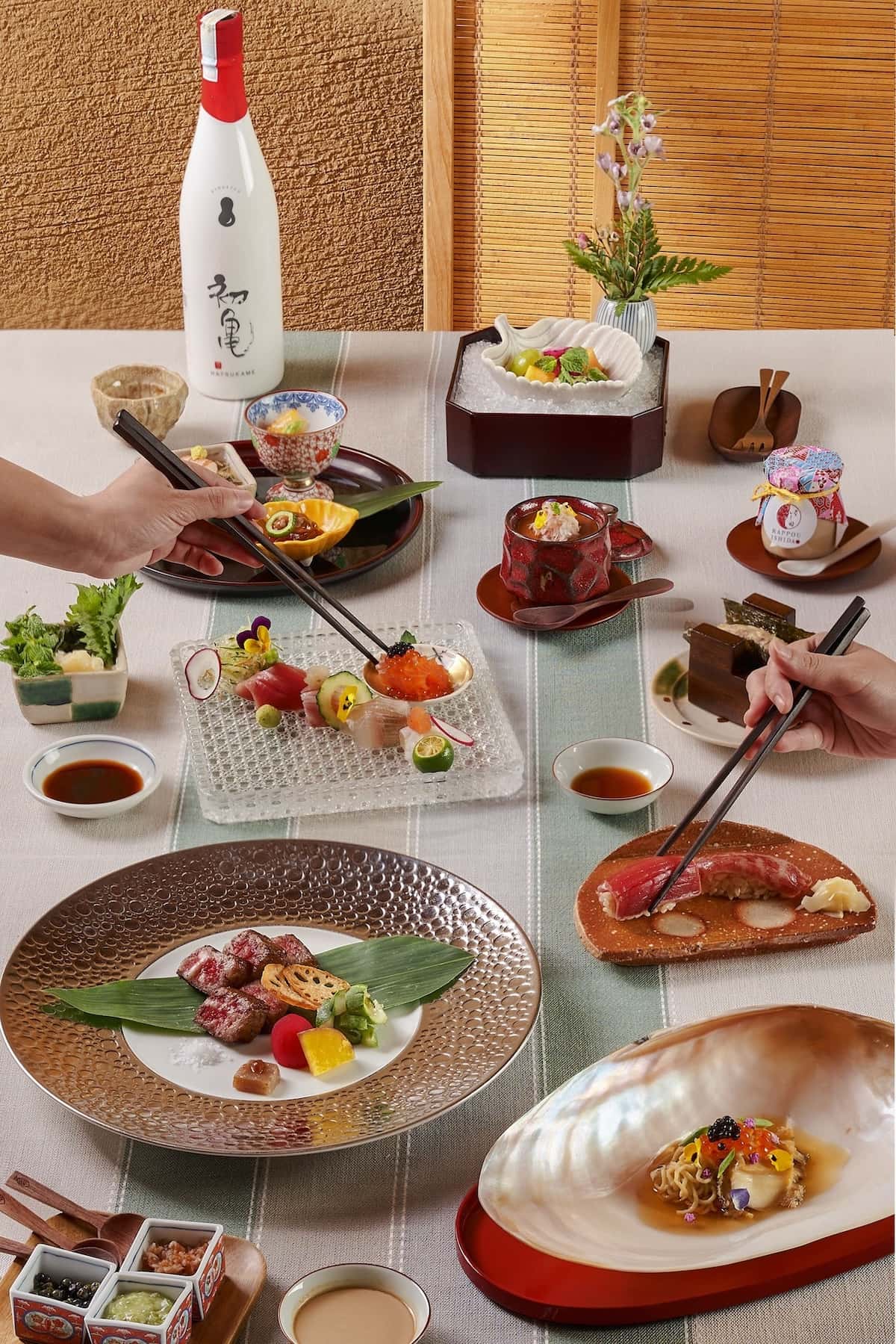
The name itself tells a story. ‘Kappou’ refers to the traditional Japanese cooking style that emphasizes seasonal ingredients and intimate counter dining. This isn’t omakase as performance art; it’s omakase as conversation between chef and diner.
What immediately strikes you about Kappou Hanoi is their commitment to what they call “口福から幸福を生み出す術” – the cuisine as a way to send happiness through the mouth. It’s a philosophy that permeates every aspect of the experience, from the daily changing menu that ensures no two visits are identical, to their approach of blending Japanese techniques with carefully selected Vietnamese ingredients.
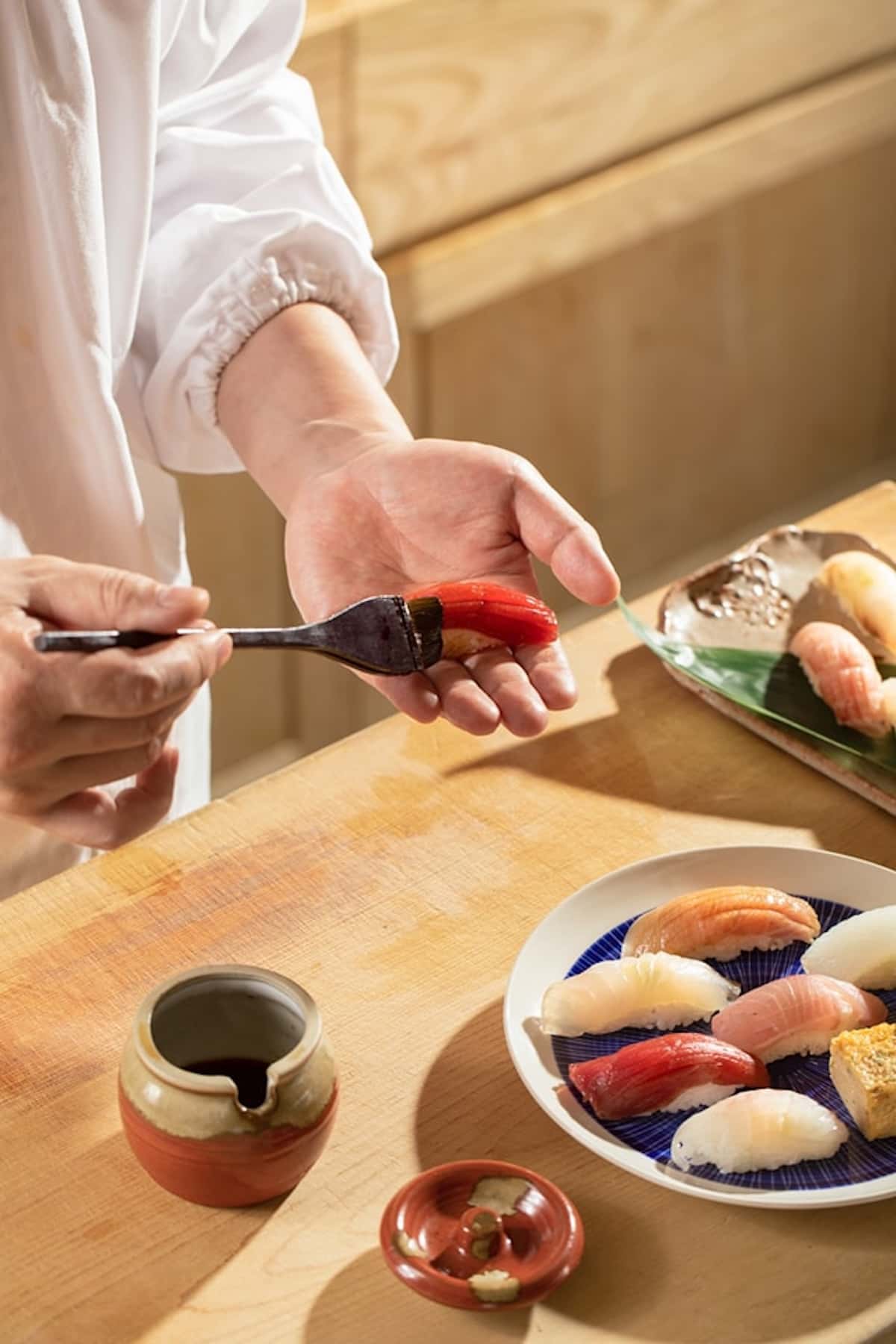
The space itself also embodies the Japanese principle of ‘omotenashi’ – anticipatory hospitality that delights before you even realize what you need. Walls adorned with Vietnamese cói material create warmth and serenity, while soft light from handcrafted Dó paper lanterns casts a tranquil glow throughout the dining room. It’s a design that feels both authentically Japanese and respectfully Vietnamese.
But perhaps the most striking feature is the serene pond with graceful koi fish, shaded by star fruit trees and tropical plants. This meticulously curated garden offers a moment of peaceful transition from Hanoi’s bustling streets to the contemplative world of kappou dining. It’s the kind of detail that transforms a meal into a complete sensory experience.
The kitchen’s approach reflects this same attention to harmony. Rather than simply importing Japanese ingredients, they’ve developed a philosophy of using the highest-quality products from around the globe, expertly infused with Vietnamese spices and herbs. The result is a seamless blend of Japanese cooking methods and indigenous tastes – omakase that feels both globally informed and locally rooted.
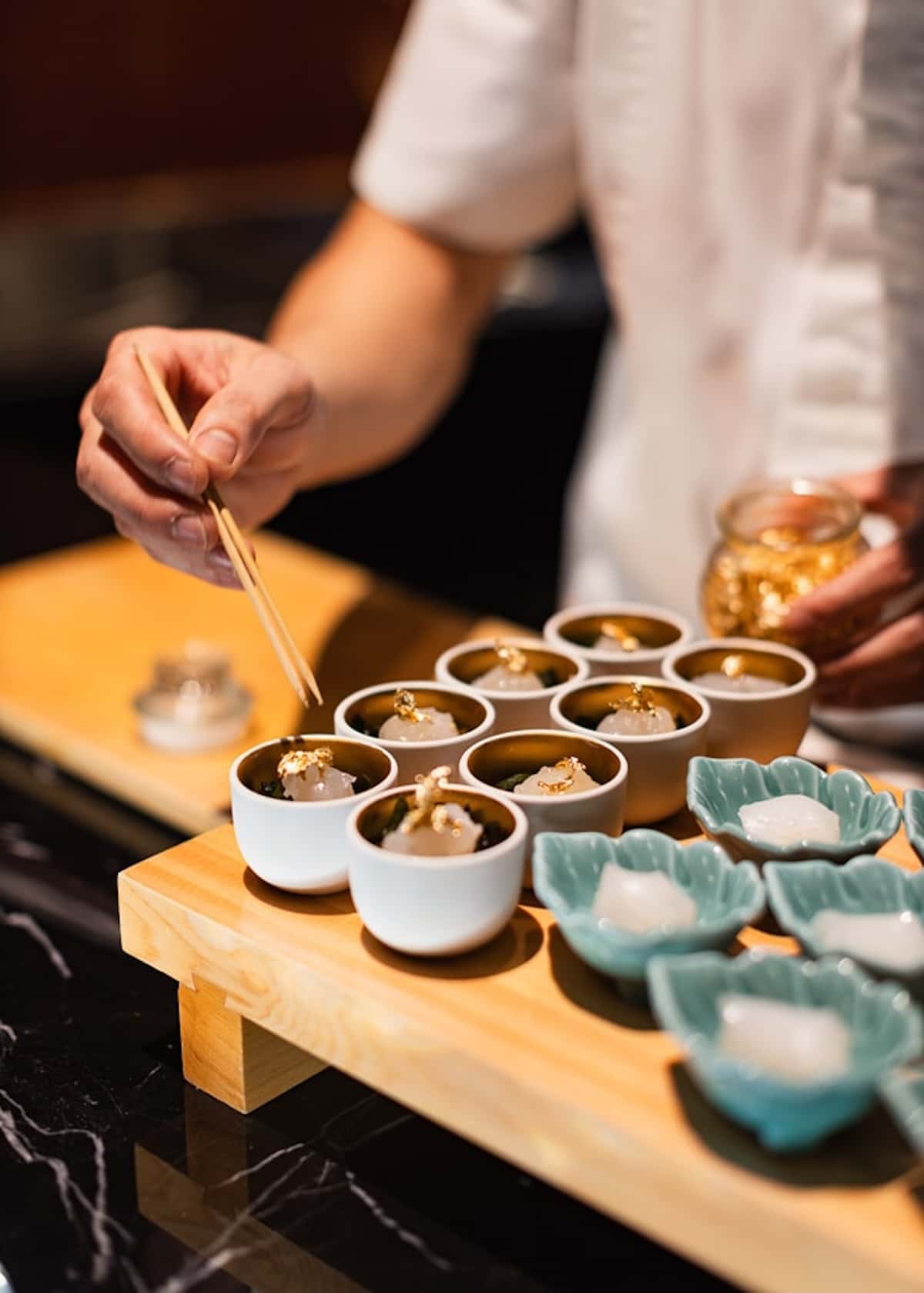
Their daily changing menu means placing complete trust in the chef’s vision, which is exactly what omakase should be. Each dish tells a story of dedication and artistry, promising an experience that beautifully fuses tradition and innovation specifically for Vietnamese palates.
So for anyone seeking omakase that prioritizes substance over style, Kappou Hanoi offers a dining experience that has been refined over years of practice – where every meal becomes an enchanting journey through both nature and culinary artistry.
Nuboko Sushi & Teppanyaki
Nuboko Sushi & Teppanyaki (37 Ngo Quyen, Hoan Kiem) is another restaurant with two types of Japanese cuisine in Hanoi – a la carte sushi and omakase sets and grilled meats and seafood at the teppanyaki counter.
Nuboko represents a fascinating duality in its concept too. It’s a restaurant where ancient legend has sparked lots of very modern creativity, all inspired by the mythical, heavenly spear ‘Ameno-Nuboko’ that’s said to have lifted Japan from the sea.
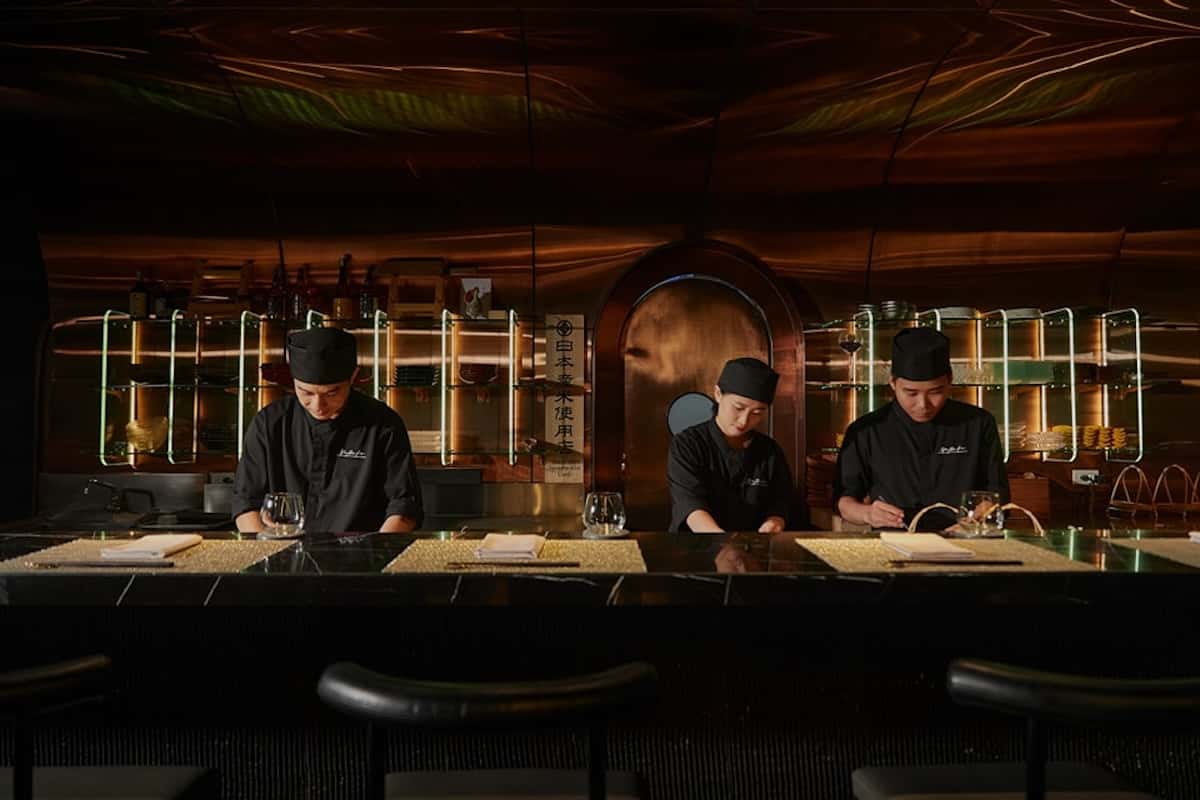
In the heart of Hanoi at Hong Ha Center on Ngo Quyen Street, the restaurant serves their own ‘Special Omakase’ – a concept that takes the fundamental principle of a set menu and mashes it up. Their chef selects and prepares courses based on the freshest ingredients available, but draws from both sushi and teppanyaki techniques to create what they promise is “a dazzling journey through the most exquisite seasonal ingredients.”
The menu structure reveals this hybrid approach across four distinct experiences. Tsukiomi (1.5 million VND) serves as the introduction, featuring Nuboko temaki, steamed egg with abalone and shark fin, five kinds of sashimi, snow crab cream croquette, grilled local chicken with Japanese pepper, and sea beam ramen. It’s a composition that moves fluidly between raw and cooked preparations.
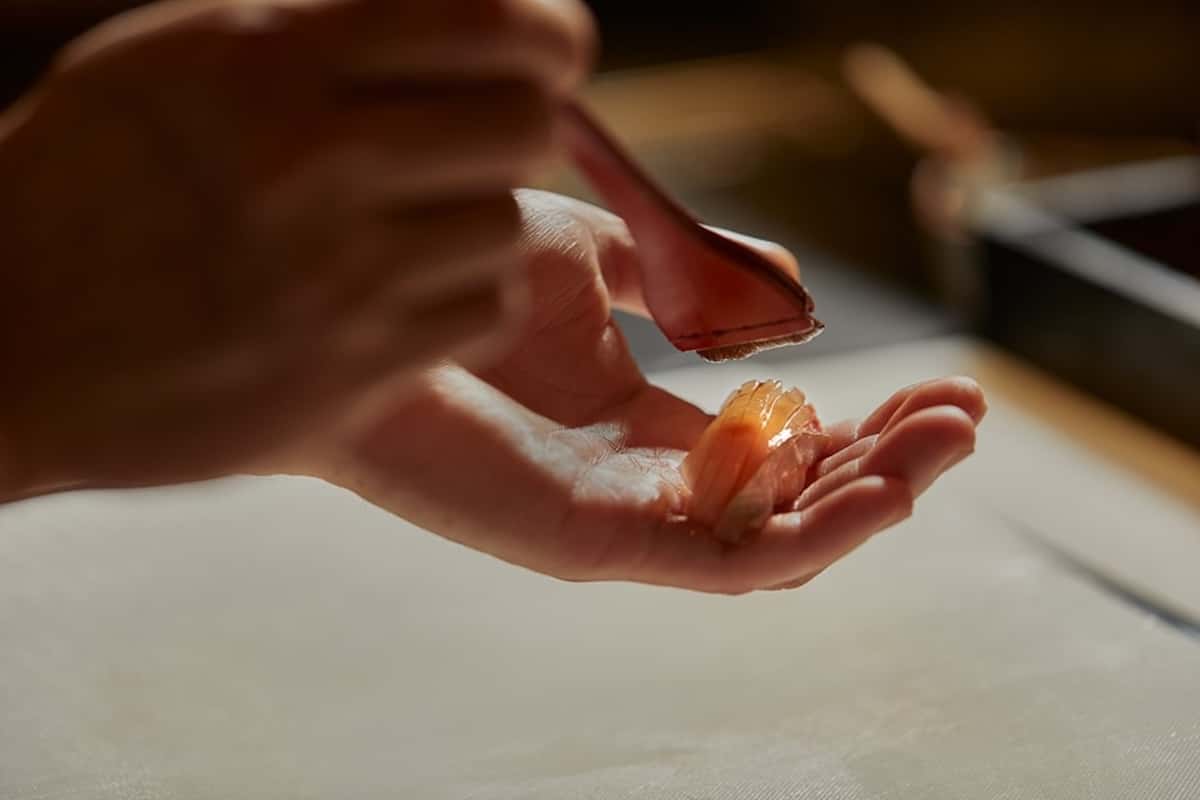
Amaterasu (2 million VND) elevates the experience with Kumamoto wagyu A5 grilled preparations alongside the sushi elements, demonstrating how the kitchen seamlessly integrates teppanyaki techniques into the omakase flow.
Omakase Sushi (2.5 million VND) focuses specifically on the sushi counter experience, featuring assorted sashimi, six pieces of sushi, and grilled dishes of the day. Notably, this experience is only available at the sushi counter, suggesting a more intimate, traditional omakase interaction.
The Nuboko Omakase (3 million VND) represents their ultimate expression – a premium experience where “ingredients can be changed by day,” emphasizing the seasonal flexibility that defines great omakase while incorporating both sushi and teppanyaki elements.
What makes Nuboko particularly intriguing is their commitment to what they call “bold flavors and unforgettable moments crafted with passion and tradition.” The kitchen sources ingredients both locally and globally, using what they describe as “cutting-edge cooking techniques” that blend traditional Japanese cuisine with modern, innovative twists.
Their teppanyaki menu runs parallel to the omakase offerings, featuring everything from Izanagi sets (2.5 million VND) with foie gras chawanmushi and Kumamoto wagyu A5, to Izanami experiences (3.5 million VND) that add grilled sea clams and seasonal seafood in white wine sauce.
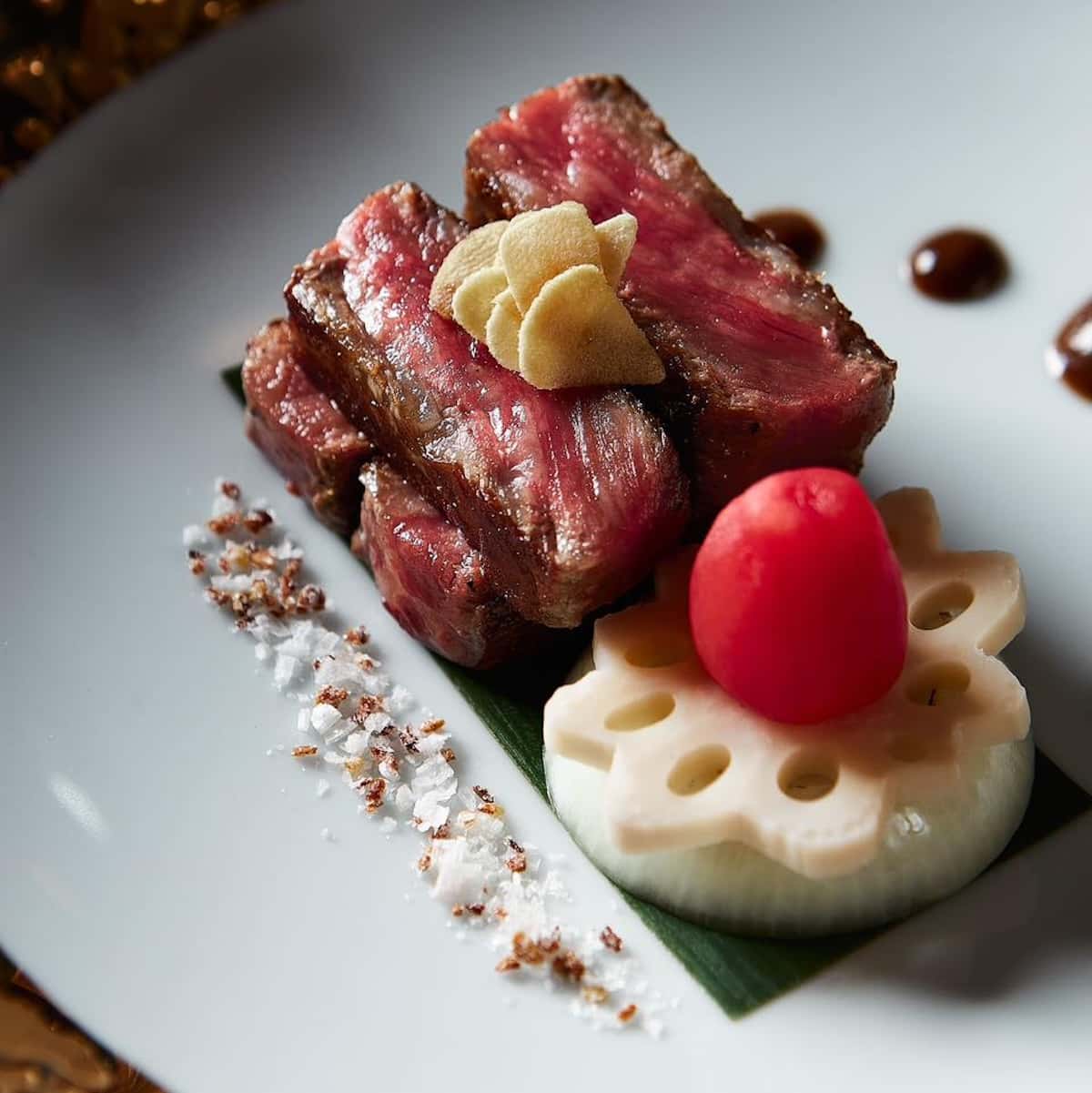
In a city where omakase typically means choosing between sushi, teppanyaki or yakiniku experiences, Nuboko has carved out a unique position by proving that the omakase philosophy – trusting the chef’s expertise and seasonal vision – works equally well when applied across multiple Japanese cooking disciplines.
What Should You Look For In The Best Omakase In Hanoi?
All restaurants serving omakase are not the same. And neither are the cities that host them. When we spoke to Yuzu ahead of this piece, they were at pains to point out their attention to detail in syncing with their surroundings as they took their omakase concept from Ho Chi Minh City to Hanoi – noting its poeticism and avoidance of showy displays of consumption.
Some things, however, are universal. The first is that ingredients are everything. Something that can never be overstated.
In Hanoi, as with the best omakase restaurants, chefs don’t just source quality fish – they obsess over it. Then there’s the rice aged and prepared to precise specifications, wasabi grated moments before it hits your tongue. The best chefs here treat each piece of uni like a small miracle, each slice of chu-toro like a meditation on perfection. And if you’re not witnessing this level of ingredient reverence, you’re in the wrong place.
But ingredients are only half the story. The chef’s expertise becomes your evening’s entertainment. At the best omakase restaurants in Hanoi, watch for the subtle tells: the knife angle that speaks to years of training, the rice temperature that’s been calculated to complement each specific fish, the timing that ensures your sake arrives precisely when the flavors on your palate are ready for it.
Then there’s the theater of space. Hanoi’s best omakase restaurants understand that ambiance isn’t decoration – it’s architecture for the senses, particularly at places like Yazawa Hanoi, who deployed an award-winning Japanese architect to reimagine their villa.
The counter becomes a stage, the prep station a window into artistry, the silence between courses as important as the food itself – the silence in a John Cage composition.
These spaces whisper rather than shout, creating an intimacy that makes each bite feel like a secret shared between chef and diner. The lighting, the wood grain of the counter – everything conspires to focus your attention on the singular moment when fish meets rice meets mouth.
Of course, reviews matter in the search for the best omakase in Hanoi. But in Hanoi’s omakase scene, the real-deal recommendations come whispered between food obsessives, passed along like underground intelligence. That’s where we go for our intel too.