



Ho Chi Minh City is hoaching in omakase restaurants meaning it can be somewhat of a minefield when choosing where to go. By definition, omakase means leaving it to the chef to choose your dinner, so in a similar vein, we say leave it to us. Tried and tested, below we’ve chosen a select few of our favorite omakases around town.
Đọc bài viết bằng Tiếng Việt
How We Chose The Best Japanese Omakase Restaurants In Ho Chi Minh City
There was a time – and it was just four or five years ago – that the only Japanese omakase restaurants in Saigon worth a splurge would have a Japanese chef. After all, it can take ten years to get ‘behind the board’ – the literal meaning of Itamae, the name for a head sushi chef.
We’d book Sushi Rei for a special occasion and Sushi Sake Restaurant Kiyota for Kintarou Kiyota’s reliably consistent set menus…and look upon most other omakase restaurants in Saigon the way we look with a mouthful of wasabi. Horror.
That quickly changed. Chef Lam started turning heads at Towa, before opening up the edgy omakase restaurant Maguro Studio – think skull-shaped soy sauce pots and graffiti-style tuna paintings on the wall. And shaven-headed Chef Linh built a solid reputation in District 7 before joining Shin-kon on downtown Nguyen Thiep Street.
So, this list of the best Japanese omakase restaurants in Saigon today includes a healthy mix of both Japanese and Vietnamese chef-helmed concepts.
The Best Omakase Restaurants In Ho Chi Minh City
This list also shows the diversity of omakase restaurants in Saigon right now. There are new places like Yuzu Omakase, a hip, celebrity-magnet that started off in Bangkok, and Omakase Tiger, a fun, rooftop omakase restaurant, related to Sushi Tiger in the original Le Thanh Ton Japan Town, with a prowling neon tiger on the wall (and a very accessible price point). And, their forebears like Sushi Rei and Sushi Sake Restaurant Kiyota are still full every night.
Sushi Rei
Recognised as one of the best restaurants and helmed by one of the best chefs in the country, attention to detail is everything at Sushi Rei (10E1 Nguyen Thi Minh Khai, Dakao Ward, District 1). Head Chef Tomohiro Sawaguchi even uses two different types of sushi rice (or Shari in Japanese) to suit the subtle flavors of the fresh fish they get shipped in everyday. Unsurprising when you see the extent of premium quality seafood available on the menu – raw oyster, blowfish, Taraba crab, pine needle crab, lobster, and abalone are imported daily from the Tsukiji fish market in Japan and make up dishes on the exceptional omakase menu here.

Shin-Kon
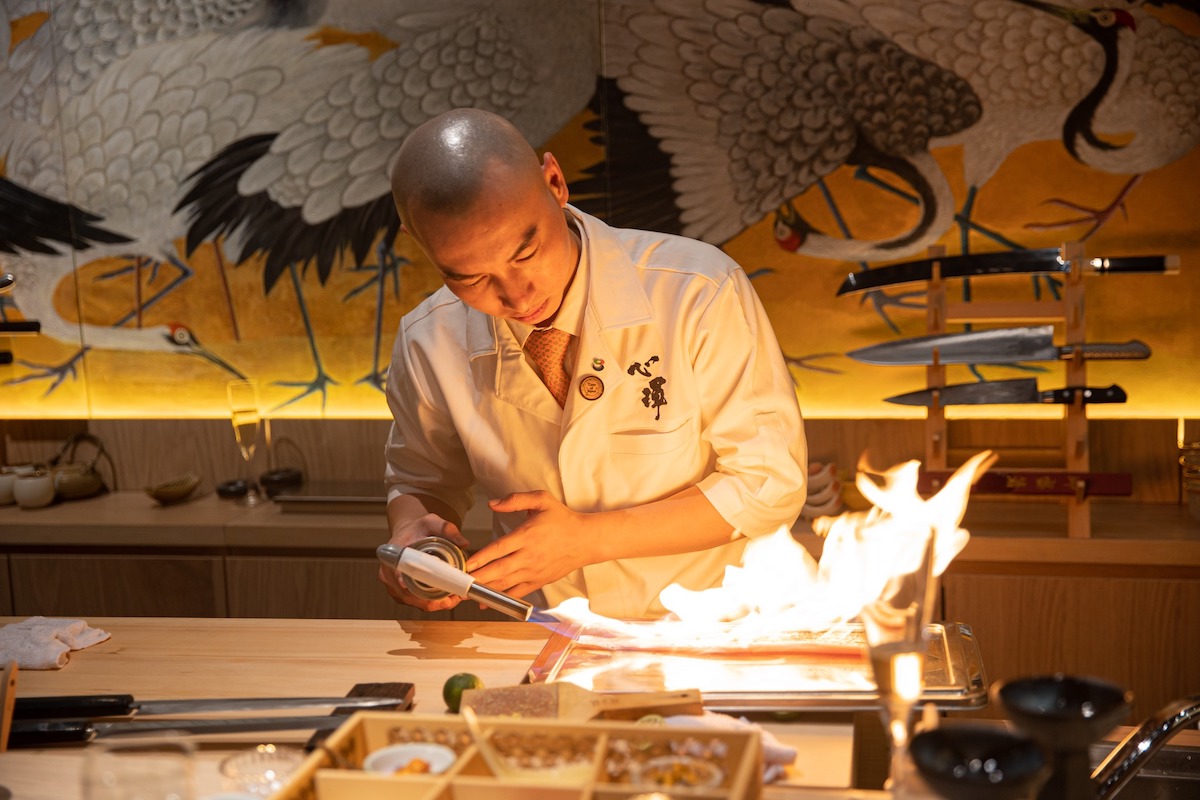
Inside this opulent Japanese restaurant (15 Nguyen Thiep, District 1) a riot of cranes soar across the gold mural wall behind the counter and Chef Linh serves a classic omakase full of rich details. Alongside that, the Shin-kon team serve (and import) Japanese wines, like their dry, white, umami-tinged Chateau Mercian Koshu from Yamanashi.
Maguro Studio
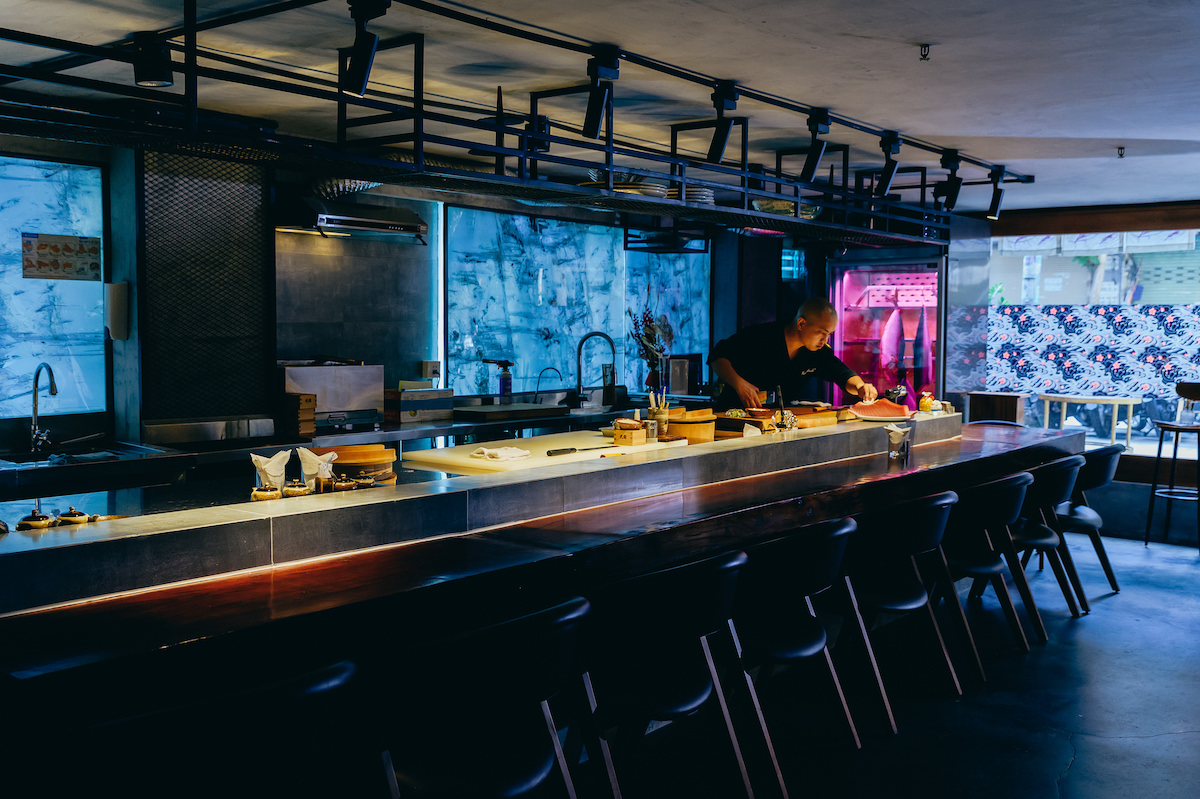
You’ll have passed a giant, yellowfin tuna hanging outside the door on your way into Maguro Studio (19 Dong Du, District 1), the first sign that this isn’t your typical omakase. Inside you’ll be welcomed by rowdy American rap music, octopus art on the walls and neon pink tuna drying cabinet adding to the funk of the place. Chef Lam and Lanh, the guys behind the concept, most recently brought us Shoku a few blocks away. They’re both Vietnamese but bring the necessary experience, precision and devout attention to ingredients and service required from the very best sushi-ya. Lanh is also CEO of premium fish importers, Yamanaka Vietnam, that specializes in the tuna, or maguro, that gave the restaurant its name. They added Studio to emphasize the fun, informal vibes but also in tribute to the tuna cutting shows they host at the counter.
Sushi Sake Restaurant Kiyota
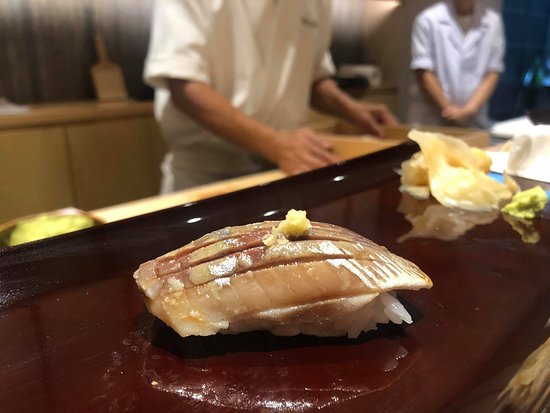
Sushi Sake Restaurant Kiyota (53 Pham Viet Chanh, Binh Thanh) is the original restaurant from Japanese owner Koutarou Kiyota, who now also owns Robata Sushi Kiyota, Sushi Koji and Sushi Taka, all in Ho Chi Minh. While unassuming from the outside, some excellent omakase awaits inside this little restaurant. It’s relatively affordable in terms of omakase, and dishes come out one after the other, beautifully presented in an eclectic and elaborate mix of plates, bowls and baskets. Note there’s no walk-ins so be sure to book in advance.

Sushi Kobayashi
If you’re looking for a very classic omakase, Sushi Kobayashi (8A/G7A Thai Van Lung, District 1) is a safe bet. Enter through a sliding wooden door, to this small counter-dining restaurant and expect the chef to offer up unfussy omakase with clean flavors and a focus on quality produce. There’s also a fantastic sake, beer and drinks menu to boot.
Omakase Tiger
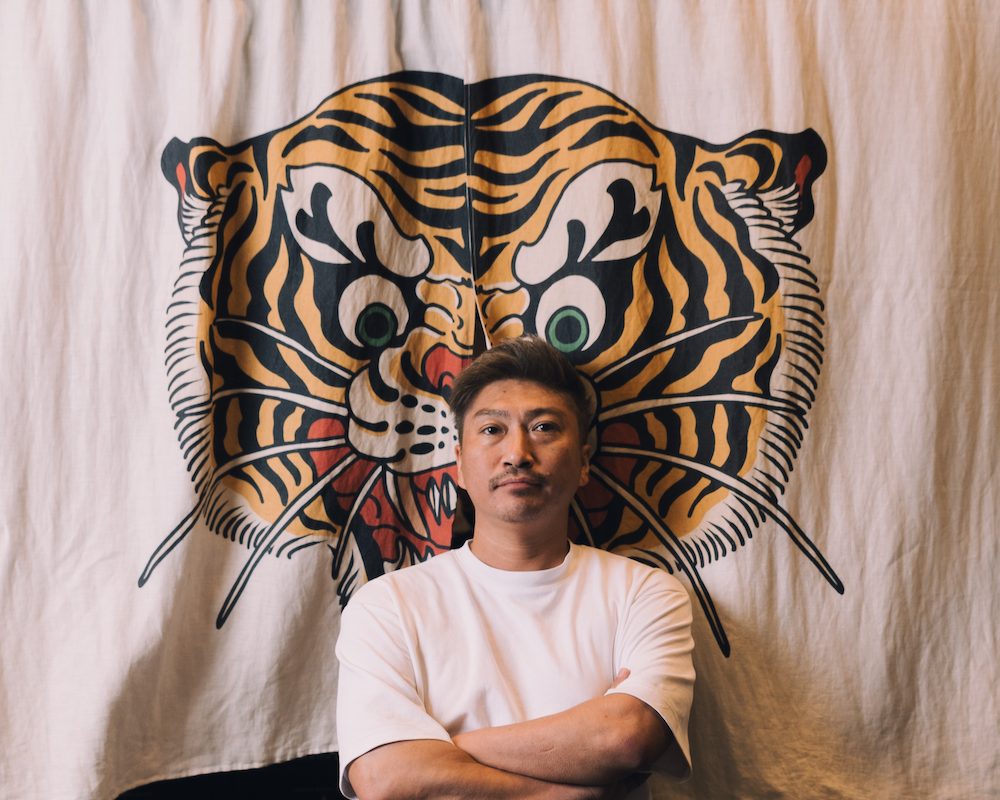
We’ve been raving admirers of the standing sushi concept Sushi Tiger since it threw a splash of yellow color across Saigon’s Japan Town last year. While the original restaurant continues to be packed out every night, their founders, Shozo and Nikichi have taken an elevated location for Omakase Tiger just off the main street of Pham Viet Chanh (8F, 85/9 Pham Viet Chanh) and turned Tiger into an 8-seat omakase concept. We remain big fans.
Noriboi
In the lively heart of Thao Dien, is Noriboi. It’s another example of bars and restaurants in the neighborhood spilling out into the side streets.
Ngo Quang Huy street is a prime example of this trend. Alongside established venues like La Villa, this street is now home to trendy bar-restaurants such as Kanpai and cozy cafes like the District 2 outpost of Luia.
Not too far off, you’ll stumble upon another addition to the neighborhood, Noriboi (35 Ngo Quang Huy, Thao Dien), an omakase restaurant where its name – ‘nori’ meaning seaweed in Japanese – whimsically reflects in its design, resembling a giant hand roll with its unique u-shaped front.

Noriboi Thao Dien, nestled on Ngo Quang Huy, boasts a sake bar within and an omakase counter that curves like a horseshoe. There’s also an inviting outdoor terrace on the upper level, perfect for romantic sushi evenings under the stars. The establishment cleverly utilizes glass partitions, allowing those outside a peek into its world and diners a view of the serene bonsai garden through the glass-encased staircase. Its inventive interior suggests a menu just as imaginative, highlighting sushi creations that meld traditional techniques with audacious flair.
At Noriboi, the sushi bar diverges from the classical edomae sushi, known for highlighting the natural taste of fish with minimal seasoning, to incorporate bolder flavors more familiar to Vietnamese palates, thus creating an innovative bridge between traditional and creative, or sosaku, sushi.
Roka Fella
It’s old school tunes and new school sushi at this contemporary omakase restaurant and vinyl bar in Ben Thanh (44 Nguyen An Ninh). You’ll find Executive Chef, Raymond Tan, behind the kitchen counter, skillfully slicing up sashimi and searing up wagyu and guests can choose from the omakase set menu or to go a la carte. Be sure to head upstairs to sip Japanese highballs whilst listening to the soft, analogue sounds of soul, jazz and R&B records.
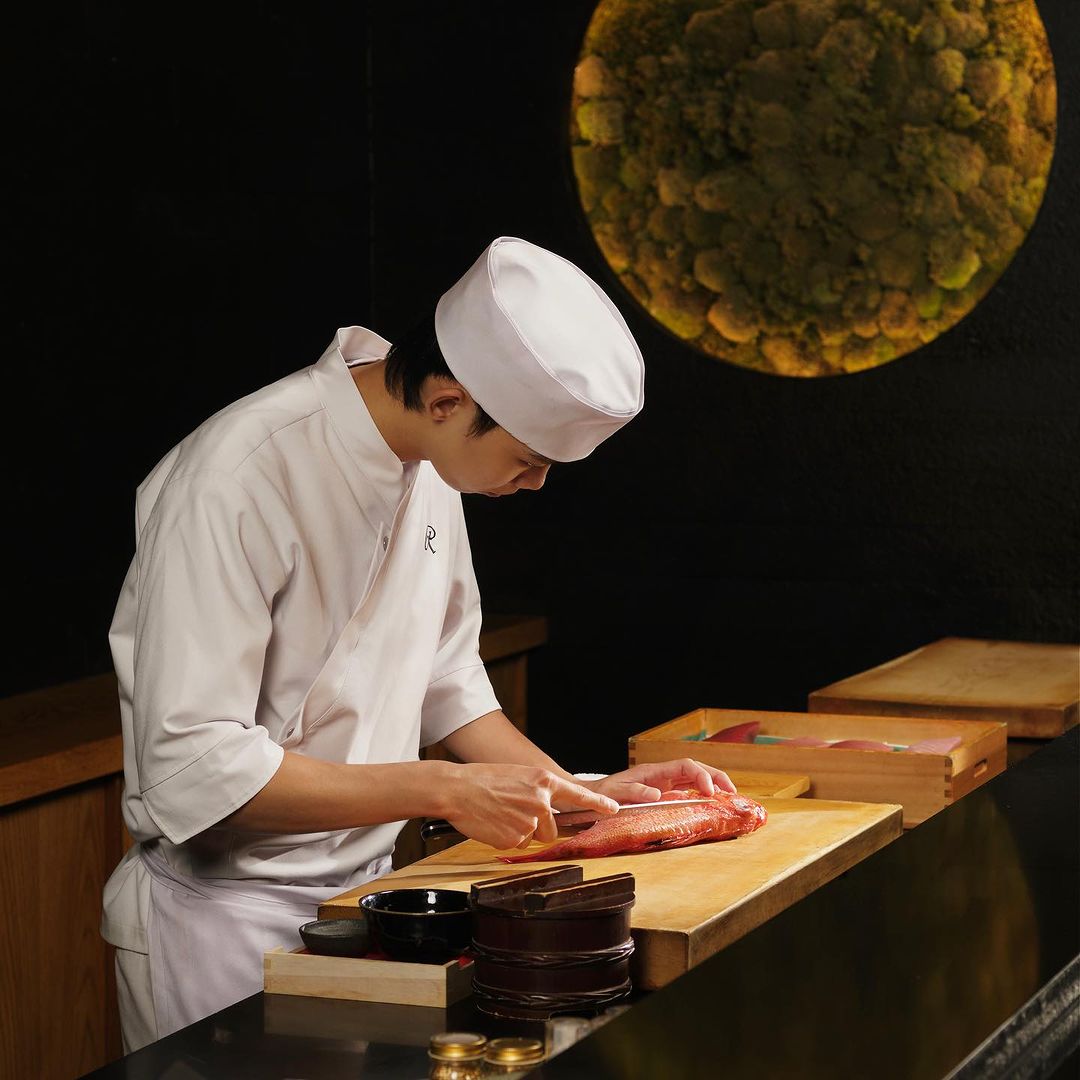
Omakase K
Trained in Susukino, a famous downtown area in Sapporo, Hokkaido Katsuhiro Kobayashi brings over 30 years of experience in to his role as Head Chef at Omkase K (5A Nguyen Sieu, District 1). He moved to Ho Chi Minh City with the ambition to serve “the same sushi as in Japan” and works tirelessly to upload the cherished traditions of Edomae sushi that have been passed down by generations throughout Japanese cooking history. On the omakase menu you’ll find sushi, sashimi, nigiri, hand rolls and Kobayashi’s signature dishes.
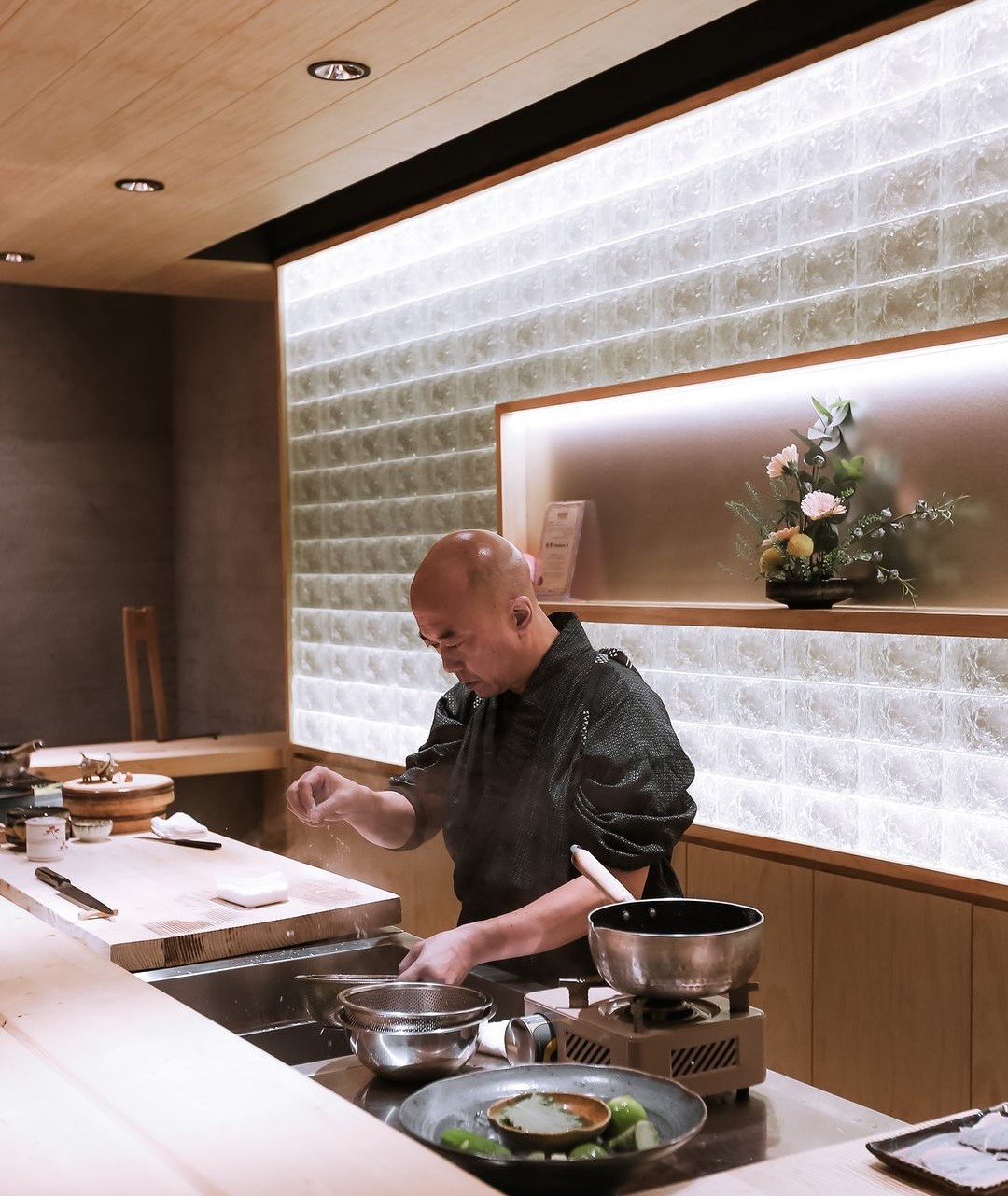
Yuzu Omakase
This 16-seat Yuzu Omakase restaurant is actually in neither Japan Town, but located in the glossy new F&B block on the corner of Ly Tu Trong and Thu Khoa Huan Street in Ben Thanh District (110 Ly Tu Trong, District 1). Inside, the space itself is minimalist, sleek, and chic, letting the omakase and the cooking be the focal point. A soft wooden countertop hems the kitchen, from which guests can take a perch and watch the chefs at work.

Kappou Nishiyama
Kappou Nishiyama (144/1 Pasteur Street, District 1) offers up authentic omakase off Pasteur Street formed around the concept of ‘Omotenashi’ a passionate and dedicated form of Japanese hospitality. As expected then, the service is top notch, and so too is Chef Nishiyama sushi. There’s a relaxing vibe inside with ‘karesansui’ or Japanese sand garden art hanging from the cool, grey walls and spotlights onto the kitchen beyond the L-shaped counter.
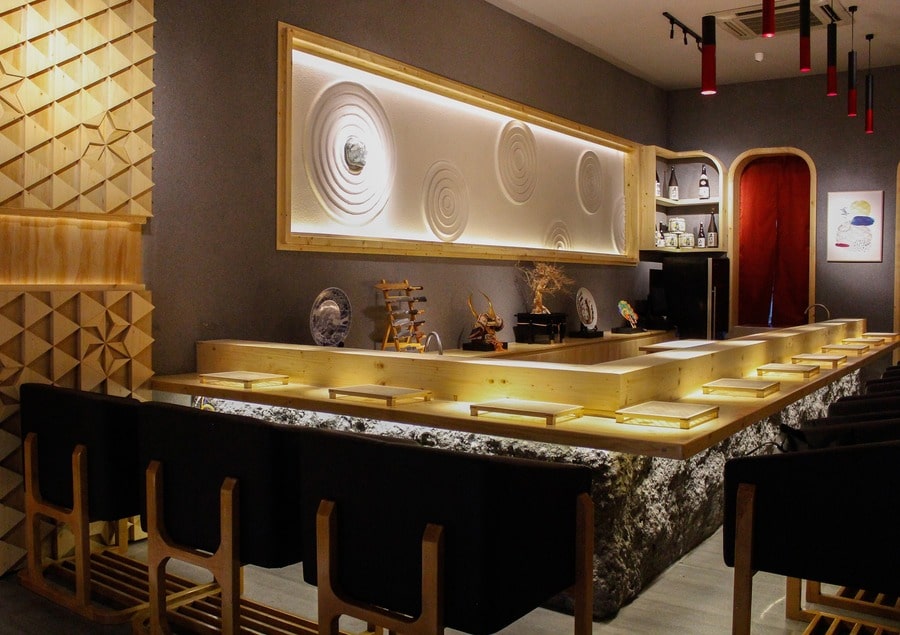
Kasen
Kasen (101 Le Thi Rieng, District 1) is an outlier. It’s in a commercial part of town – a few streets from backpacker Bui Vien, and the shopping street, Nguyen Trai. And Le Thi Rieng Street has always been more famous for its banh mi – Banh Mi O Moi – than fresh cuts of fish.
Maybe Shinji Murata knew better than anyone. Since Kasen opened, the alleys behind it have become a cocktail hub, with Yugen and then Yubi (although this one was short lived), and then Hybrid Saigon opening there.
The sushi here is high-quality – as you’d expect from Shinji Murata, a 50-year industry veteran who spent 20 years running the Hiko Sushi restaurant chain in the States. But his omakase menus are also creative and carefree. While usually sauces and stronger flavors help sushi restaurants cover up subpar ingredients, at Kasen the team often serve their impeccably fresh fish in flavorsome sauces: Sea Bream Sashimi with Japanese Perilla Leaf Sauce and Salmon in a Chilli Sauce.
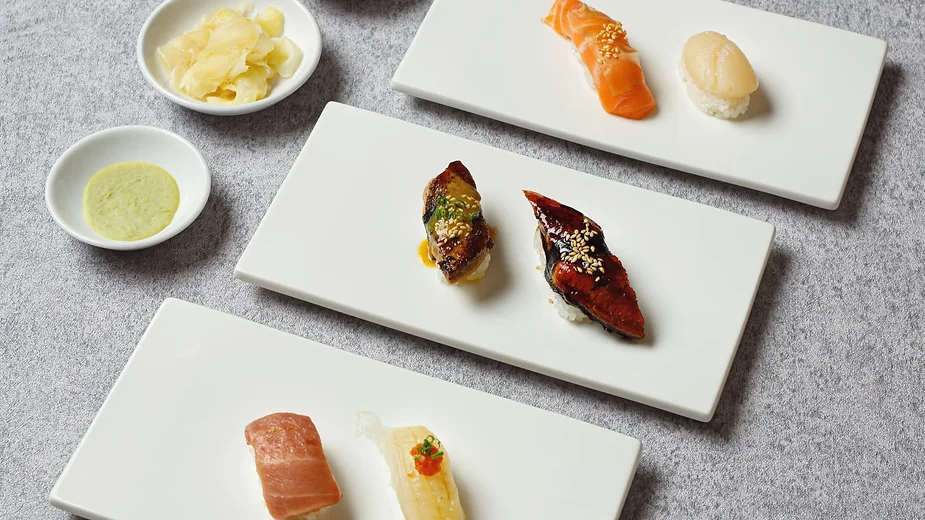
What Should You Look For In The Best Omakase Restaurants In Ho Chi Minh City
When selecting the best omakase restaurants in Saigon, consider a few elements. First off, observe the quality and freshness of ingredients, as this is paramount in omakase dining, where the chef displays their skills and creativity through seasonal ingredients.
Secondly, consider the chef’s expertise and reputation. A good omakase meal should be an experience where the chef guides you through a culinary journey, so their skill and knowledge are essential.
Thirdly, pay attention to the ambiance of the restaurant. Part of the charm of omakase dining is the intimate, serene atmosphere where the focus is on the food and the chef’s craft.
Finally, reviews and recommendations – especially ours at The Dot Magazine – can be a reliable indicator of what to expect from an omakase restaurant. But you knew that already.