


At The World’s 50 Best Bars 2026, five bar teams from around the world described the bonds to their cities, between their floors and among their people, that might keep their bar open for a century or more, whether they’re still the owner or not.
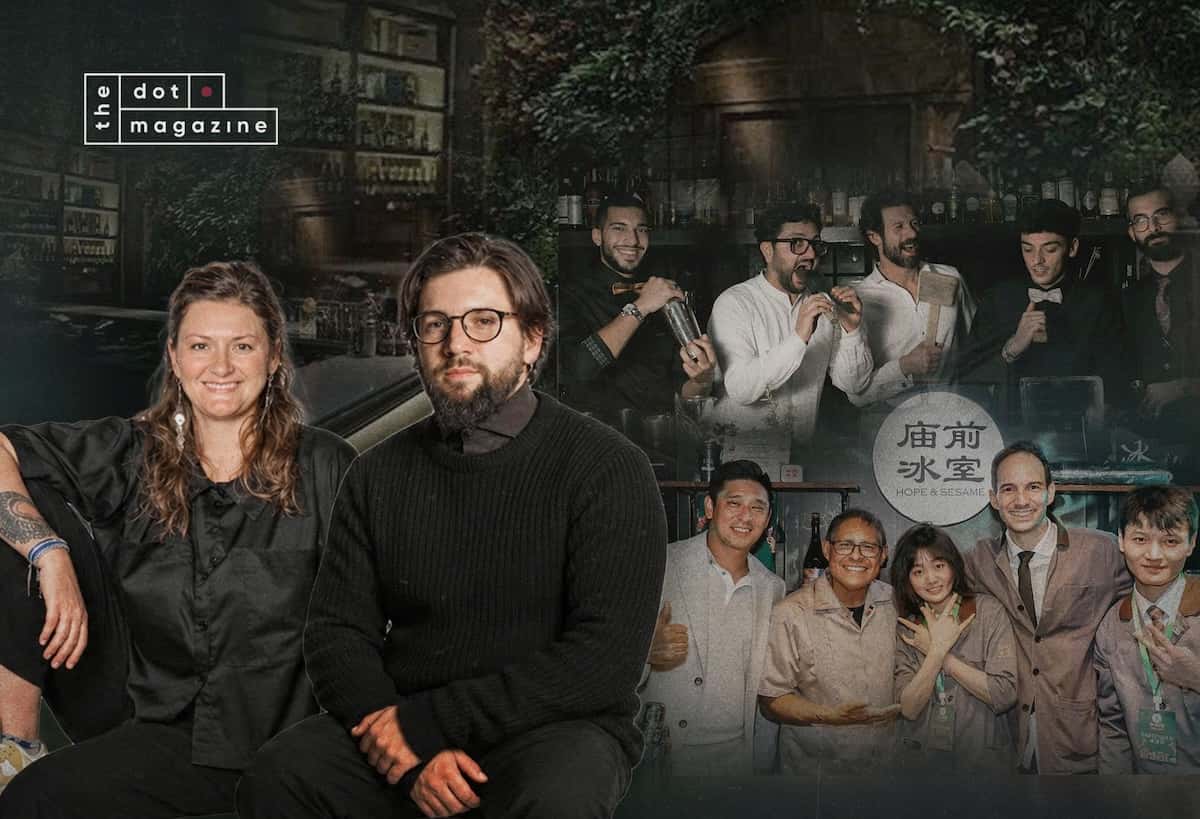
These bars are bound to something – a city, a building, a family, an attitude and guests who keep coming back. Take Hope & Sesame, The Best Bar in Asia 2026. It opened in 2016 behind a traditional Cantonese store in Dongshankou, an older part of Guangzhou. Ten years on, it’s inseparable from the city.
Bastien Ciocca, who co-founded the bar with Andrew Ho and Marcia Xiao, calls Guangzhou the fine dining region of China, where a boiled chicken “will taste so good that you don’t need a lot of additional sauce.” Locals, he’s noticed, spend their money on food and drink before fashion or watches.
Cocktail culture is still new there – maybe 10 to 15 years in the making. That means most guests haven’t developed a drink preference. And given the choice, they’ll lean local. With that in mind, every menu the team has done has been Cantonese influenced.
A recent one was built with Lee Kum Kee and used its soy sauce, oyster sauce and vinegar. Cantonese guests avoid heat and sugar. “They like more sour, because in Guangzhou the summer is very hot,” Bastien explains. Head bartender Claire Liu, who was born in Guangzhou, builds drinks from what her parents cooked. “A lot of guests try and say, ‘Oh, is that something my parents cooked for me?’” she says.
The group’s Shenzhen bars are one hour away by train. And yet they’re run differently. “You cannot just copy-paste the concept in a different place,” Bastien says.
The Locale Heroes
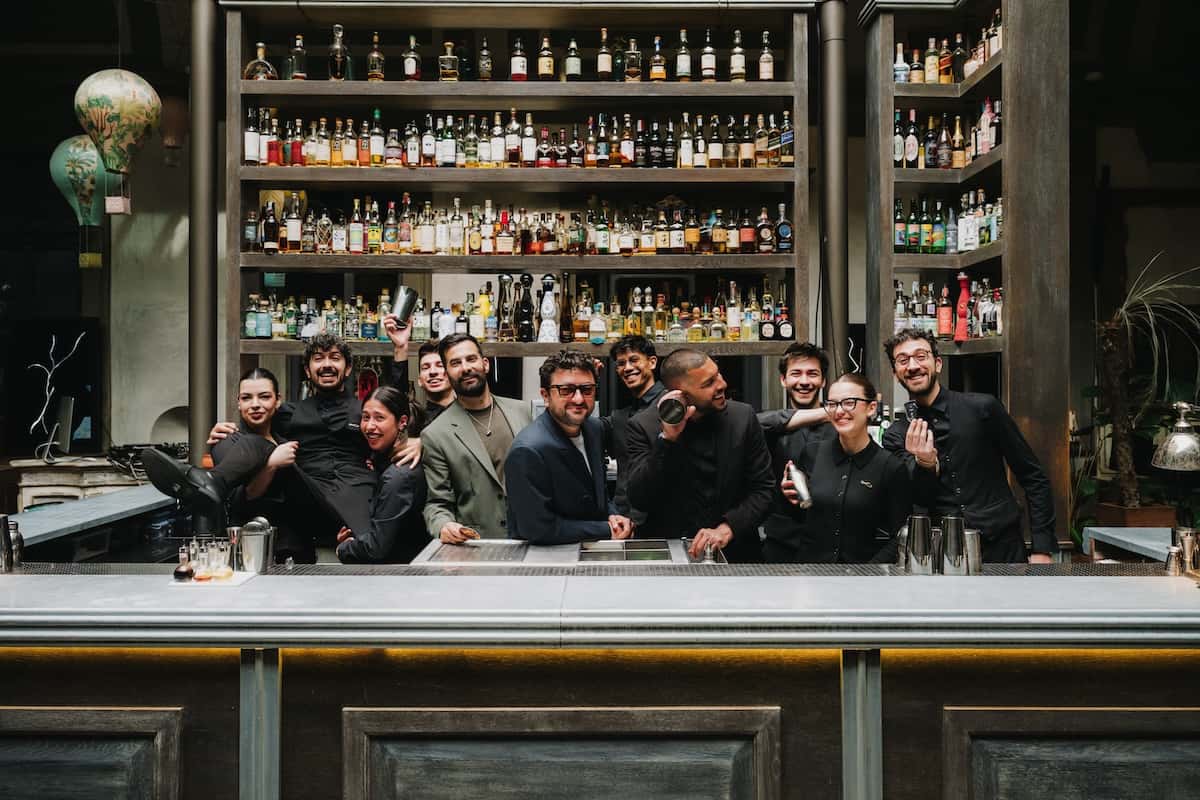
Locale Firenze is Florentine at first sight. In Italian, locale is the word for a bar. It also means local. The main bar occupies the 16th-century upper floor of a palace that belonged to the wealthy Concini family. A 13th-century basement below is set to open as an experimental second bar. In the main bar, staff wear Renaissance suits and dresses.
“Florence is the capital of the Renaissance,” bar manager Alessandro Mengoni reminds us. Every guest is welcomed in Italian with a small Americano. Some guests don’t like bitter flavors. “We kind of don’t care,” Alessandro says with a laugh. “We are offering you something to let you feel the Italian way of drinking.”
The Negroni was born in Florence, and Locale serves a version with capers. The ingredients are Italian, and Tuscan wherever possible. “Like the Italian kitchen, there’s no drink with 10 or 11 ingredients. Two, three,” says head bartender Emilio Pecchioli. “When you have the freshest and best product, you don’t need to play a lot with it.”
Making It From Scratch
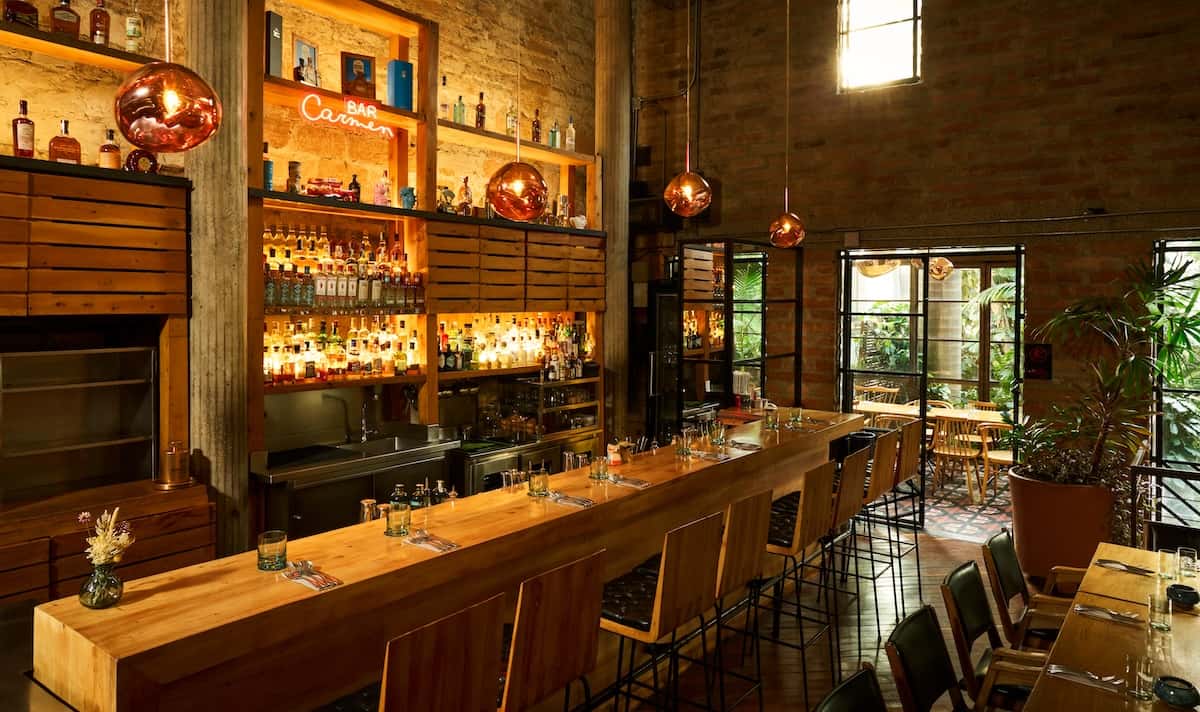
Bar Carmen conjures up Colombia’s land.
The bar has operated inside Carmen, the group’s flagship restaurant in Medellín, since 2008. Its bar director, Maycoll Tobon, reminds us Colombia ranks first or second in the world for fruit biodiversity. It’s also the only South American country with coasts on two oceans – a Pacific shore of mangroves and rainforest where rain falls most days of the year, and a Caribbean one where the Sierra Nevada goes from beach to snow.
The bar works with ingredients like lulo, annatto and wild tamarind.
Lulo is an Andean fruit with fuzzy orange skin and sharp green pulp. Carmen compares it to passion fruit, though it belongs to the same family as the tomato and the pepper. Annatto comes from the red seeds of the achiote tree and brings an earthy, peppery note and a deep orange-red color. Wild tamarind is a sour pod fruit from the Amazon. And for the past nine years the bar has championed viche, the sugarcane spirit made by Afro-descendant families on the Pacific coast – even when restaurants couldn’t legally serve it.
Imported liqueurs and vermouths are scarce in Colombia. “Here in Europe, everything comes out of a bottle,” says co-owner Carmen Angel. “For us, we’ve always had to make everything from scratch.” And so the team makes its own liqueurs from passion fruit, mango and coffee. The coffee is grown inside Medellín’s city limits. Carmen calls Colombian coffee the best in the world. “Whenever we travel, especially in Europe, we suffer a little bit,” she says.
Colombians like sweet drinks, Carmen says, but the bar adds little sugar. “The fruits themselves provide the sweetness,” she explains. “We want everybody that passes through the bar to taste Colombia.”
Kin And Tonic
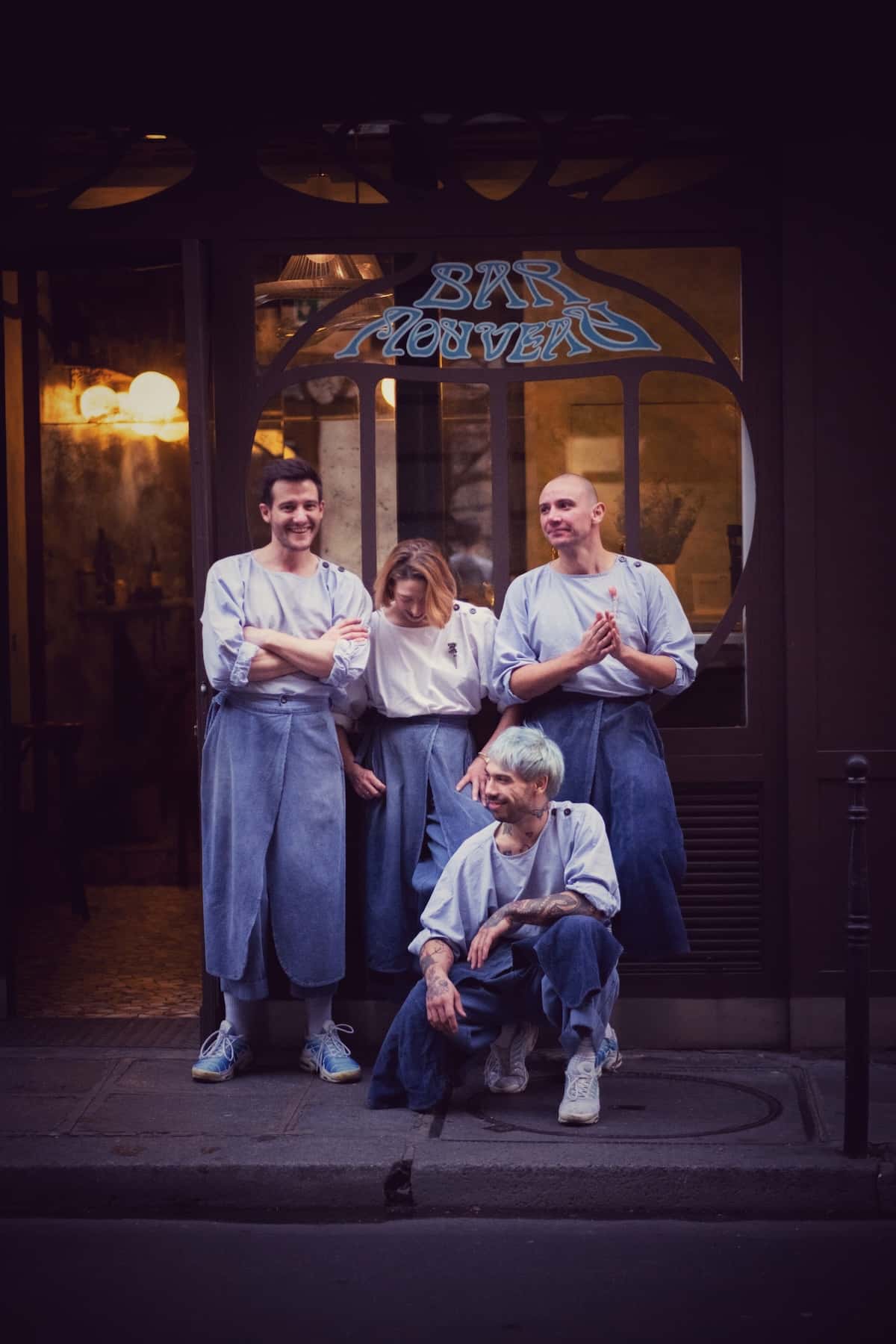
“It’s the most Parisian drinking experience,” says Hadrien Moudoulaud, who co-founded Bar Nouveau with his twin sister Sara, Rémy Savage and Marc Puzzuoli. “Just by the way it looks, the music.”
Rémy puts it more plainly. “It is a Parisian bar,” he says.
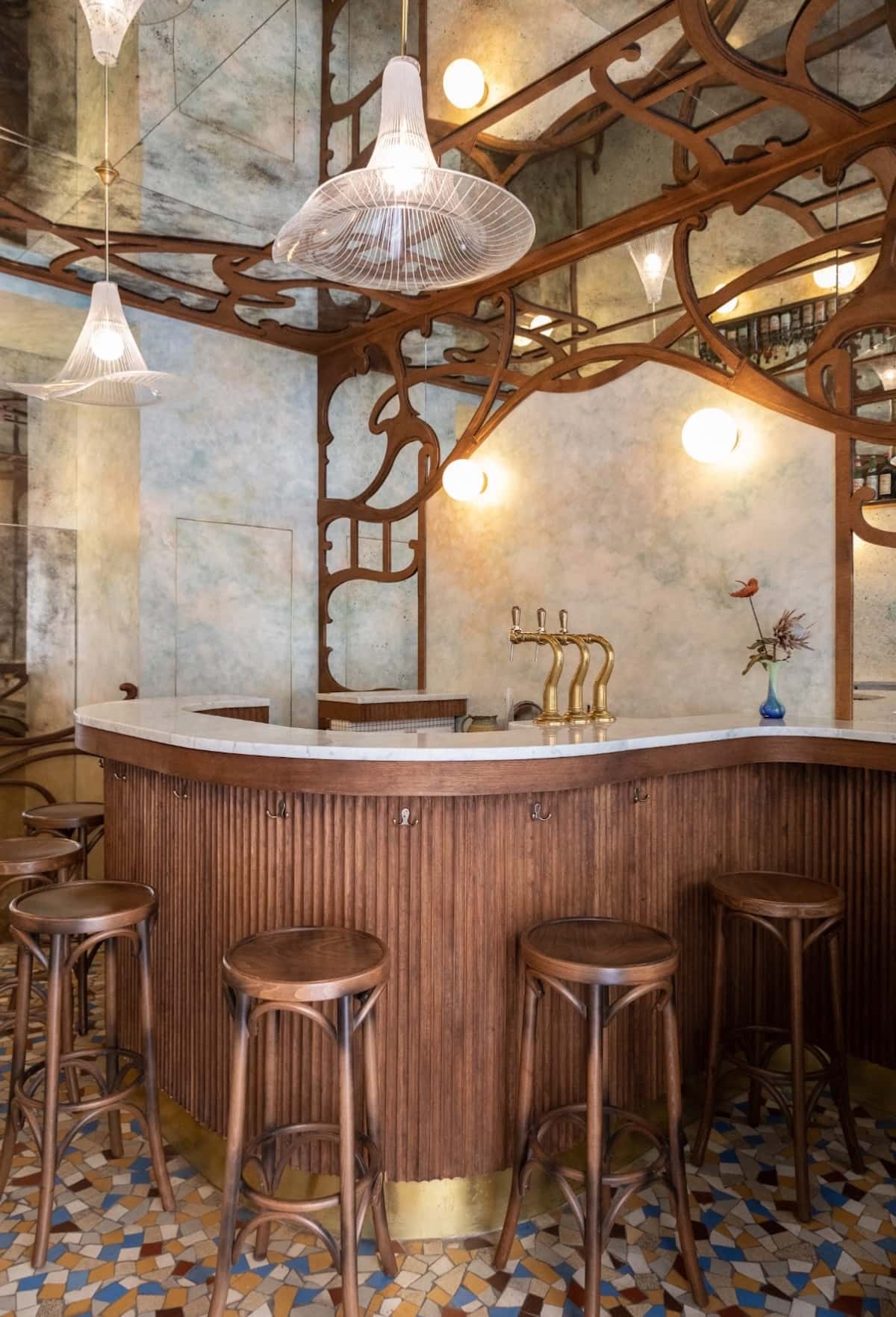
The bar covers 60 square meters in the Marais. It ranks No.5 on Europe’s 50 Best Bars 2026 and is The Best Bar in France. It takes its name and design from Art Nouveau, the late 19th-century movement that used industrial tools to bring nature back into daily life.
Rémy, who studied philosophy for five years, applies the same idea to the modern age. The drinks stay simple. “It’s the simplest bar in the world,” he says. Every drink starts from a classic. “You go there, it’s two, three-ingredient drinks.”
Upstairs, the bar sources from small producers, including a crème de cassis maker in Burgundy. But Rémy wants the ideas to resonate without the accompanying lecture.
“The goal is not to educate anybody, and I certainly don’t go to bars to be intelligent,” he says. “But maybe you just see that everything makes sense and works as a whole.” The design, the uniforms, the music, the floor underfoot and the smell all point one way. “It looks, feels and tastes like Paris,” Rémy says. “Bar Nouveau belongs to the city of Paris.”
Old Fashioned Values
Sip & Guzzle is The Best Bar in North America 2026. Guzzle, on its ground floor, is a New York bar in pace and volume. Steve Schneider runs it. Sip, down in the basement, is his partner Shingo Gokan’s domain, which means you have to get past Steve to reach it. “As soon as you walk in the place, you’re in my bar,” Steve says. “I always make the joke that I’m Shingo’s guard dog.”
Steve calls his drinks comfort drinks – classics with a familiar spin. Shingo’s Sip works in the Japanese style of Angel’s Share, where he once worked, although he found the rules restrictive. “No standing, no more than four people, you can’t talk loud,” Shingo remembers.
At Sip & Guzzle, the city sets the bar’s energy. Steve says the rest comes from the people. “It’s less about product and more about feel,” he reckons.
Each of these bars also splits in two – by floor or by menu. Sometimes, the first room welcomes everyone. The second rewards the guests who come back.
At Hope & Sesame, the ground floor has a menu. The second floor, called Off Menu, opened by invitation this January and changes every week. It suits a city where, Bastien says, guests would rather not order from a menu at all. “If they already experienced our ground floor and they’re really a cocktail drinker, we invite them to the second floor to try some more advanced stuff,” Claire says.
At Sip & Guzzle, Guzzle opens at 4 p.m., an hour before Sip. Guests put their names down for the basement and while away the time upstairs with Steve. “I like to warm you up,” he says. The kitchen helps. “The more bites you have, the more drinks you can have. It’s a full night out.” The night doesn’t end downstairs either. “If we have a nice rapport, I’ll tell you to come back up and see me on the way out,” he says, breaking out laughing. “Like visiting the gift shop after the ride.”
Shingo built the format long before New York. At Angel’s Share, he remembers the staff “always fighting with the guest.” His first bar filled a four-story building with a high-volume floor, a technique-driven floor and a members’ floor. Each had its own drinks, music, design, uniform and menu. “I wanted to welcome all different types of guests,” he says.
The Floor Play At Bar Nouveau
Bar Nouveau serves the same drinks on both floors. The bright ground floor recreates an Art Nouveau bar from 130 years ago, and its drinks are assembled from bottles. The darker basement, all exposed brick, explores nature in a post-technological world. There, the same drinks are rebuilt from scratch as a six-drink tasting menu. “Hadrien distills, clarifies, throws it in the air, burns it with an iron,” Rémy jokes. “We don’t know what he’s up to. Same drinks.”
At Locale, the two floors are three centuries apart. “We have two different ages – Middle Age and Renaissance on top,” Alessandro says. The Renaissance bar upstairs serves volume, with table service only. It’s quiet at aperitivo hour and livelier at night, when a DJ plays on weekends. The medieval basement is a fermentation lab, built more for bartenders than for guests.
Bar Carmen splits by menu. Carmen says it was the first restaurant bar in Medellín. The regular menu is a fanzine drawn by Medellín’s graffiti artists, and it changes every three or four months. The bar team also creates the drinks for five of the seven courses on the restaurant’s tasting menu, and none of them appear anywhere else. The current tasting menu, Paraíso de Frutas, works through seven fruit families. The kitchen and the bar share a lab and each other’s waste. “The laboratory is our meeting place, where culinary minds and bar minds come together,” Carmen says.
None of it works without the people. Most of these bars are run by partners who have known each other for years, sometimes intimately.
Multiplying Each Other
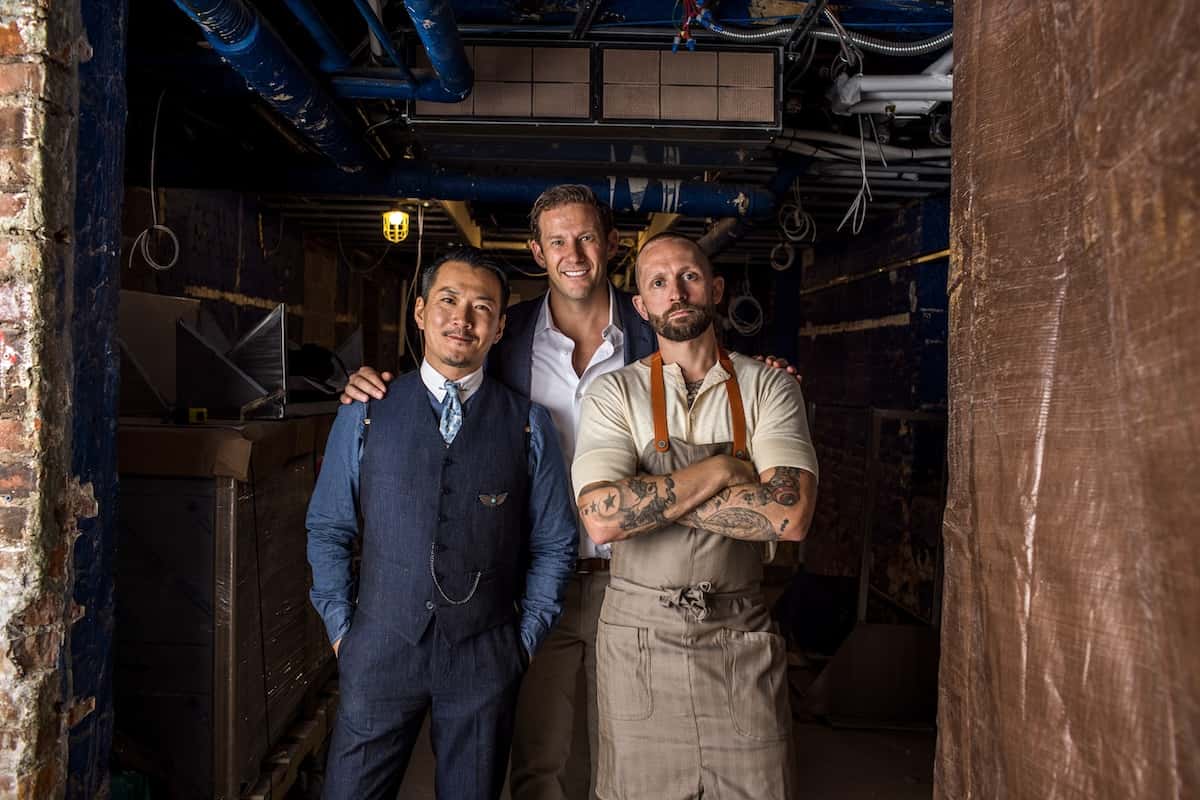
Steve and Shingo met in 2010. A Bacardi competition sent them around the world together, and organizers kept putting them behind the same bar. Years later, at a competition in Singapore, Steve suggested they open a bar together in Shanghai. Shingo had a contract and a space within about ten days. That bar became The Odd Couple. “A good partner should complement you,” Steve says. “It’s me times Shingo, not me plus Shingo. We multiply each other.”
The bond reaches the rest of the team. Guzzle bartender Andrea Grujic also runs the bar’s social media, photography and video. She says the founders picked their staff “almost like assembling the Avengers.” Steve credits them with carrying the concept every night. “You need amazing staff that understand the concept and can tell your story,” he says.
Rémy has worked with Hadrien and Sara for 12 years, from Little Red Door in Paris to the Artesian in London. “They moved country twice for me, which was insane,” he says. The twins go back further. “They’ve been working together for 33 years as twins,” Rémy says. The three share a language built behind those bars. “If Rémy asks me for a Parisien, I know what it means,” Hadrien says. And that means a new drink takes minutes to construct, Rémy says.
Partners In Crime
At Locale, the shorthand is just as quick. When the season turns, Alessandro needs one sentence. “Emilio, now we have peaches – do a drink with peaches,” he says. “That’s it.” The team drinks the way it serves. “We drink Americano as bartenders,” Emilio says. In costume, they lead the welcome so guests can copy the gesture.
Bastien calls his wife, Marcia Xiao, his partner in crime. When one of the bar’s partners married, the team wrote a menu from a Cantonese wedding banquet. Every flavor carried a meaning. In Chinese, the word for fish sounds like the word for abundance, so fish on a wedding table is a blessing. Turning those symbols into cocktails, Bastien says, “tells stories that locals will find funny.”
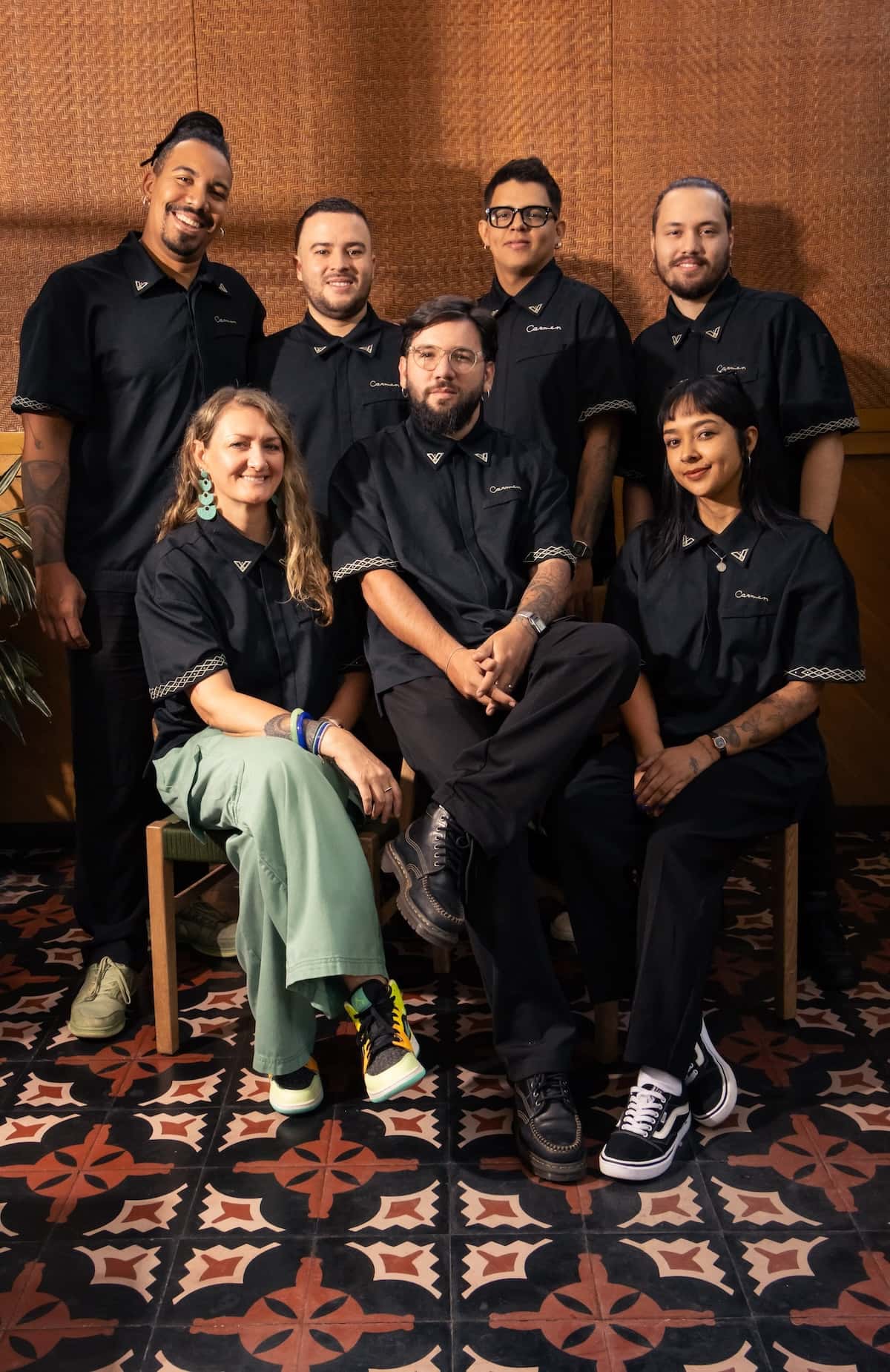
Carmen opened Carmen in 2008 with her father, Diego. Maycoll has worked beside her for ten years. When he arrived, it was a tiki bar. Then the team started traveling around Colombia and found the ingredients that now fill the menu. The bond runs to the producers too – the viche families on the Pacific coast and the coffee growers who supply the bar directly. At the session Maycoll spoke Spanish, and Carmen translated every word.
Rémy knows not every bar outlives its founders, no matter how strong the bond. “Some are going to fail, some are going to be sold,” he says. “In 100 years, I hope Bar Nouveau is still open, even if it’s not mine.”