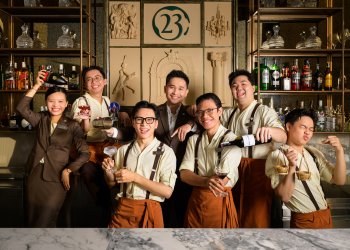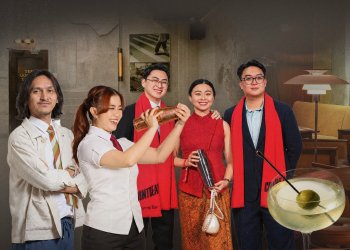



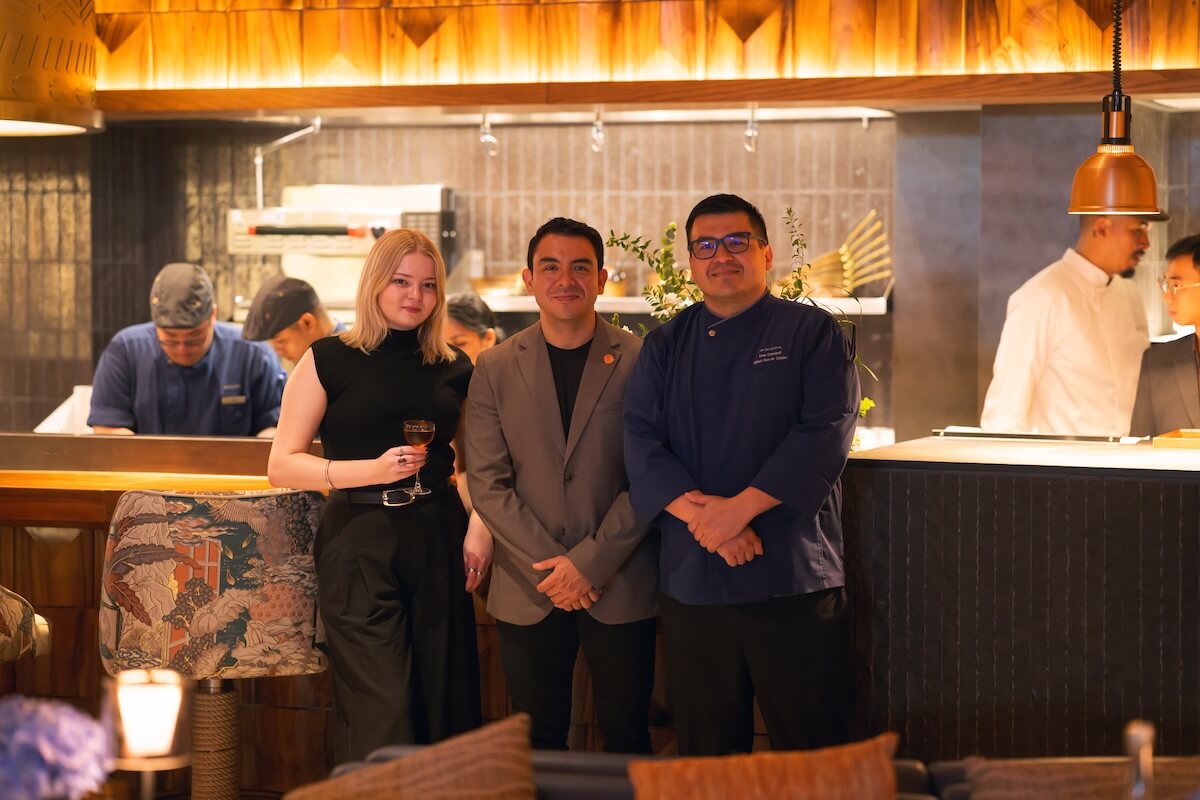
At JW Marriott Saigon, a whisky pairing dinner with Debora and Nikura’s kitchen asked a simple question: what happens when single malt stops behaving like a guest of honour and starts acting like part of the meal? Whisky dinners come with a reputation. Long tables. Tasting notes read aloud between courses. A quiet competition over who can name the cask before anyone else. On 13 November, at Nikura inside JW Marriott Saigon, The Glenlivet tried something looser.
There was no lecture and no flight of neat drams lined up like an exam. Instead, The Glenlivet was poured into cocktails, built course by course with the team from Debora, and set beside a menu from Nikura’s kitchen. The whisky arrived the way most good things arrive at dinner: in a glass, alongside food, among people talking.
It was the final stop of The Smooth Flowing One, The Dot’s 2026 journey with The Glenlivet. Fittingly, it ended in Saigon, where it began, and at a table.
Before Service, A Conversation In The Kitchen
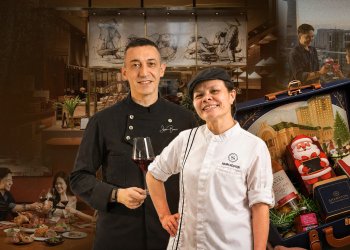
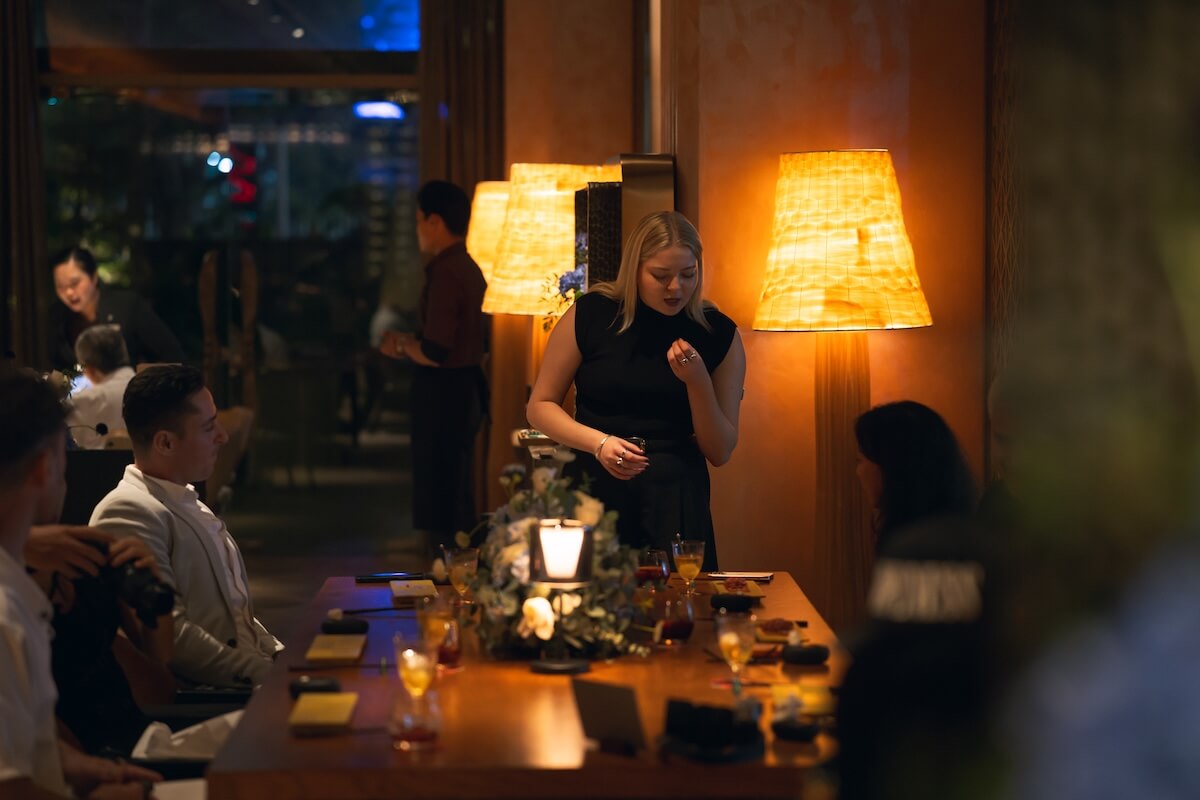
An hour before the first guests sat down, Amber Beange, The Glenlivet’s Global Brand Ambassador, stepped into Nikura’s kitchen. Chef Ivan was mid-prep. Valentino was talking through the evening’s courses. Nobody stopped working.
The conversation was practical rather than ceremonial. What does each dish need from the glass beside it? Where should the whisky lift a flavour, and where should it simply get out of the way? A pairing, it turned out, is less about matching and more about timing: when sweetness arrives, when smoke or char lands, when acidity resets the palate before the next bite.
For Amber, who grew up around the distillery in Speyside, that kind of conversation is familiar. Whisky makers talk the same way about cuts, casks and stills. The decisions are technical. The point of them is what ends up in the glass.
A Pairing That Doesn’t Ask Permission
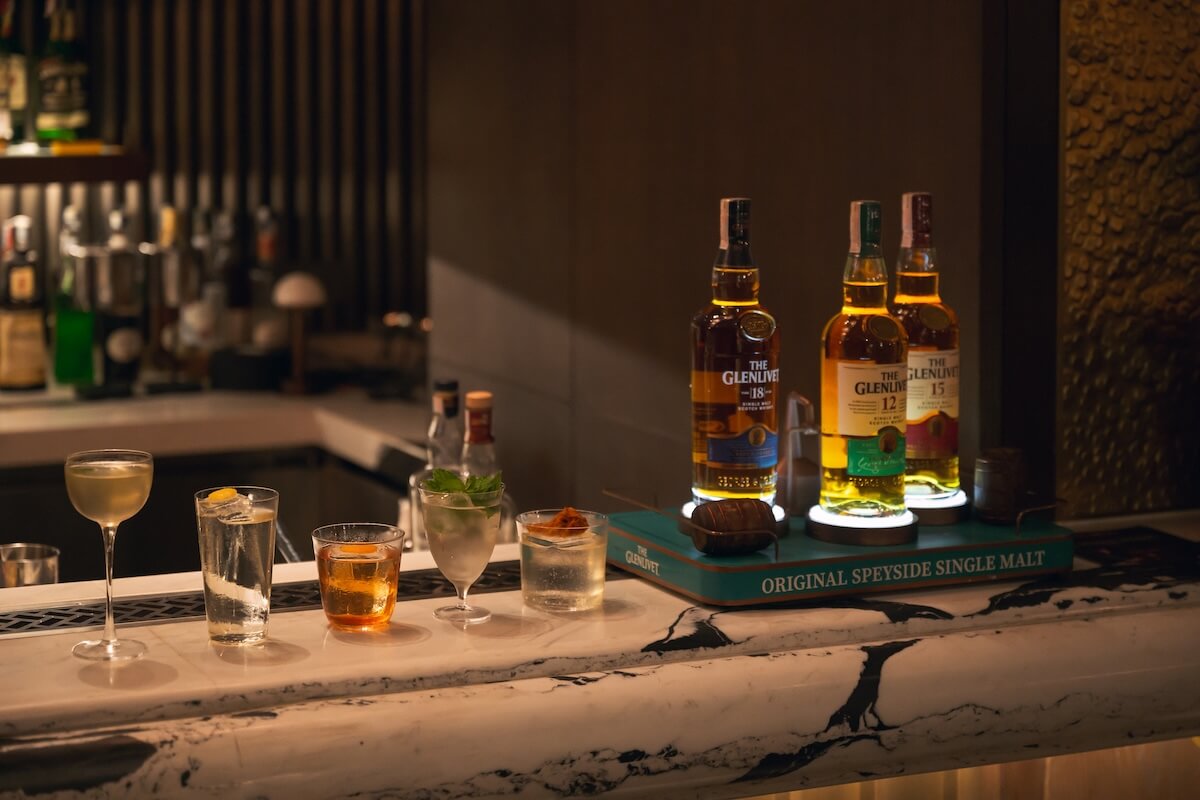
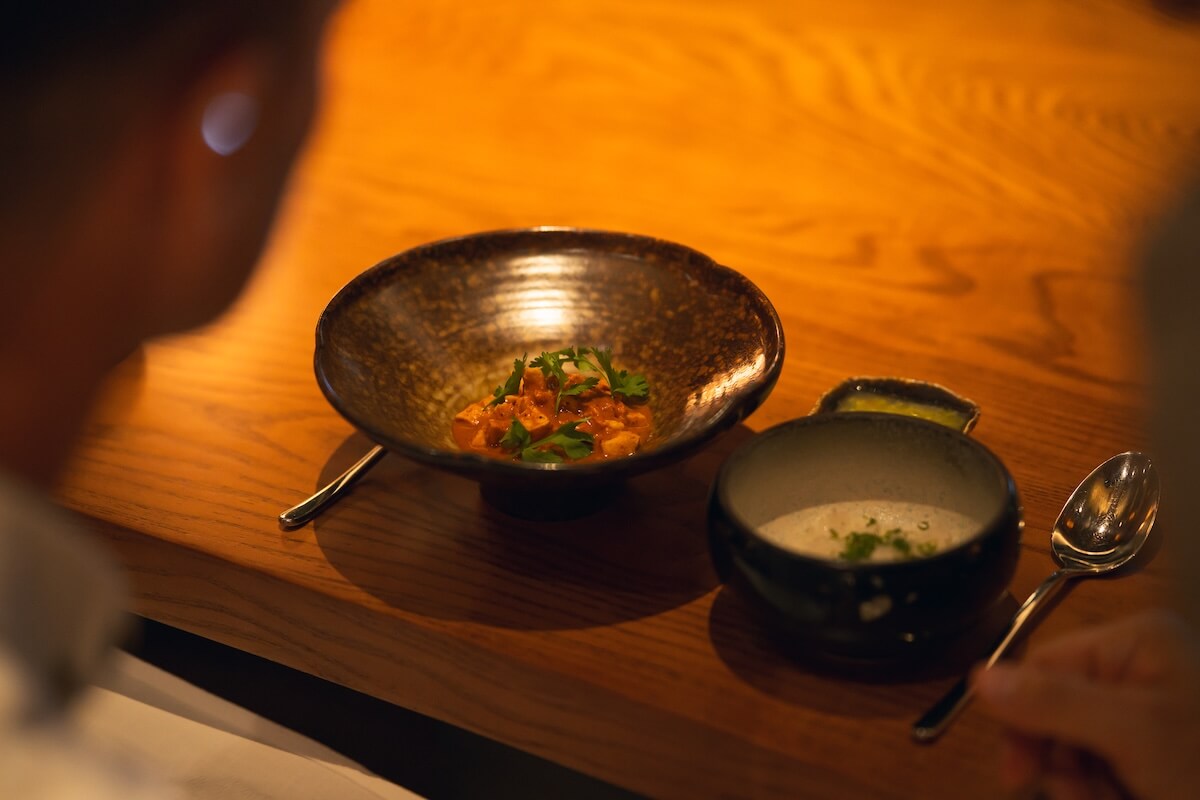
Dinner began at six. Each course arrived with its own cocktail, built by the Debora team around The Glenlivet 12 Year Old and shaped to sit beside the food rather than compete with it.
The opening course, [dish], came with [cocktail], bright and citrus-led, a lighter way into the evening. Then [dish] met [cocktail], where the whisky’s orchard-fruit character found something to hold onto. By the time [main course] reached the table, the pairing had shifted towards [cocktail], deeper and rounder, built to stand up to char and richness. Dessert closed with [cocktail], a reminder that whisky and sweetness have always got along.
None of this would satisfy a purist looking for a Glencairn glass and a drop of water. That seemed to be the point. The Glenlivet has spent much of its recent history asking what whisky can be when you change the frame around it: edible cocktail capsules, a bottle cap that mixes a Manhattan, single malts served without tasting notes. A pairing dinner built on cocktails is a quieter version of the same idea. The liquid stays the same. The setting changes, and so does what you notice.
It Was Never Really About The Dram
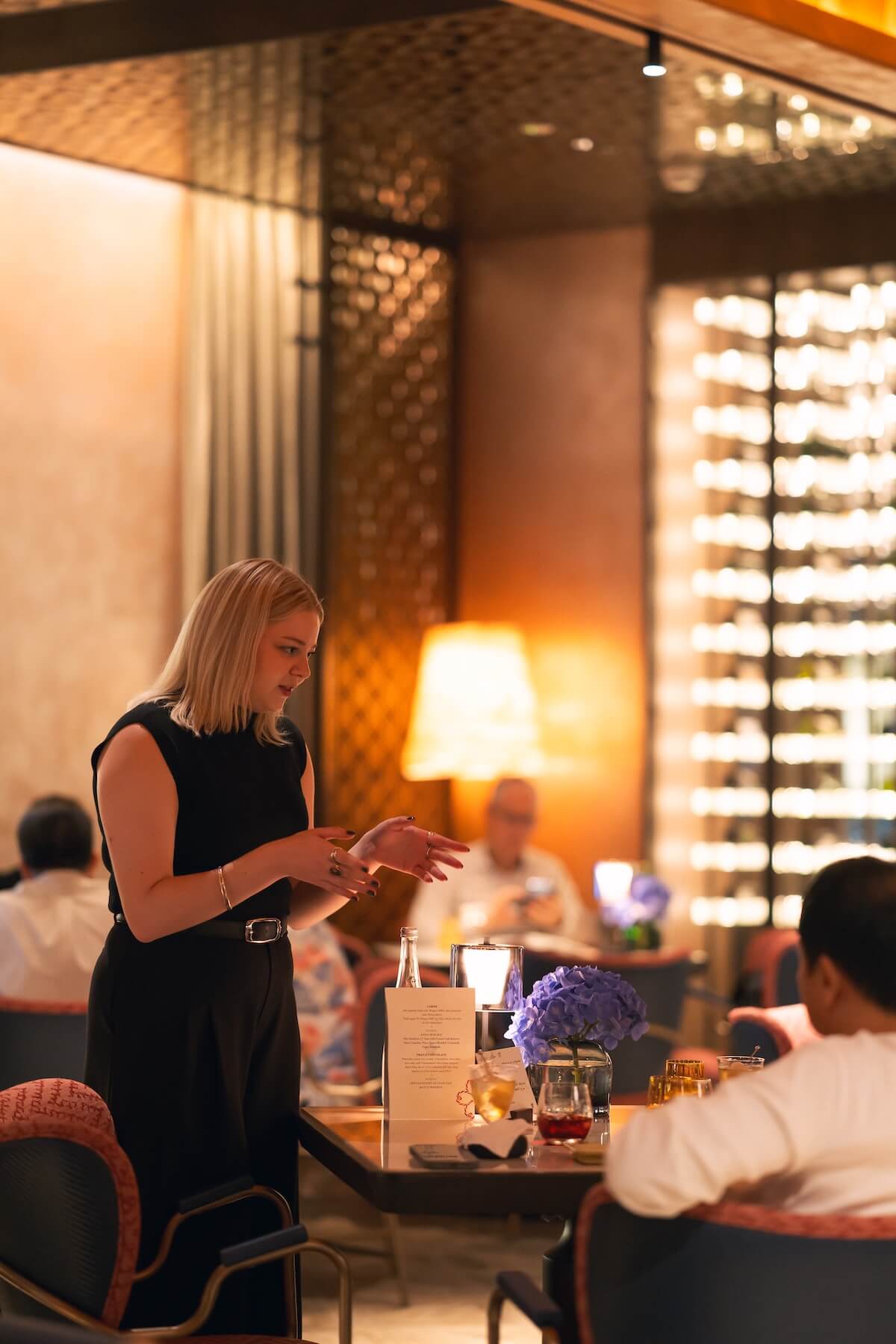
Amber moved between tables through the evening, but she wasn’t presenting. She was pouring, asking what people liked, and occasionally explaining why a particular cocktail worked with a particular plate. It is a style she arrived at the hard way. Early in her career at the distillery, she could recite production facts perfectly and still lose a room. What changed was learning to explain why those facts matter to the person holding the glass.
Her own introduction to whisky followed the same logic. She didn’t like it at first. What won her over wasn’t an impressive bottle but the people at the distillery who shared what they enjoyed about it.
“When I look back at the start of my whisky career, it’s not the drams I remember,” she told The Dot earlier this year. “It’s the people.”
At Nikura, that line felt less like a philosophy and more like a description of the room.
After Dinner, The Bar Takes Over
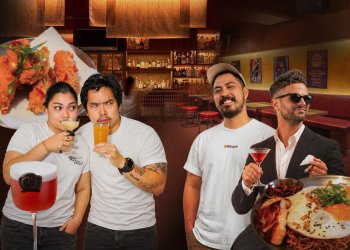
The night didn’t end with dessert. Across at Pisco Hana, Native’s team joined the house bartenders for a guest shift, with Phil and Young Wei behind the bar. The tempo changed immediately: louder music, a younger crowd, shakers going, and The Glenlivet turning up in glass after glass.
It made a neat contrast with the dinner. Upstairs, whisky had been paired thoughtfully, course by course. At the bar, it was simply part of a good night out. Both felt right. Perhaps that is the more honest picture of single malt in 2026: comfortable at a considered pairing table, just as comfortable in a Highball at eleven at night.
Two hundred years after George Smith stepped away from the herd, The Glenlivet still seems happiest when it isn’t told where it belongs.
Drink responsibly.