



 For The Glenlivet, two centuries of history have never simply been about preserving the past. From George Smith’s decision to step away from the illicit distillers around him in 1824 to whisky capsules, unconventional cask experiments and a new generation questioning how single malt should be enjoyed, the more revealing thread is a willingness to move before convention catches up.
There is an inherent contradiction in asking a 200-year-old whisky brand to be original. Whisky, after all, is unusually fond of time. Age statements are printed prominently on bottles. Distilleries preserve old methods and old buildings. Collectors wait decades for casks to mature, then sometimes wait even longer before opening them. The past matters.
But The Glenlivet’s version of its past begins with someone deciding that the established way of doing things wasn’t necessarily the way forward. In 1824, following the Excise Act of 1823, George Smith obtained a licence to legally distil in the parish of Glenlivet. It was an unpopular decision among the illicit distillers around him. Threats followed. Smith famously carried a pair of flintlock pistols for protection. Two centuries later, the pistols are museum pieces. The more difficult thing to preserve is the instinct behind them.
When Rebellion Becomes Heritage
There’s a danger in telling any origin story for 200 years. Eventually, rebellion becomes mythology. The outsider becomes the establishment. What once broke convention becomes another convention to protect. The Glenlivet seems conscious of the tension. Its recent history contains some curious experiments for a category associated with rules and ritual.
In 2019, the brand unveiled its glassless Capsule Collection: edible cocktail capsules designed to be consumed without a glass. Then came Spectra, three single malts presented without conventional tasting notes, age statements or cask information, asking drinkers to encounter the liquid before being told what they were supposed to find in it.
In 2022, The Glenlivet extended its Sample Room into augmented reality, allowing people to explore part of its creative world through their phones. More recently, Twist & Mix took another familiar whisky ritual — making a cocktail — and put the mixing mechanism into the bottle cap. Twist it, and whisky and cocktail flavourings meet only when the drink is ready to be served.
None of these ideas alters the basic fact that whisky is still whisky. That may be precisely the point. Originality doesn’t always require burning down the house. Sometimes it means moving the furniture around and noticing how different the room suddenly feels.
A 55-Year-Old Whisky Can Be An Experiment Too
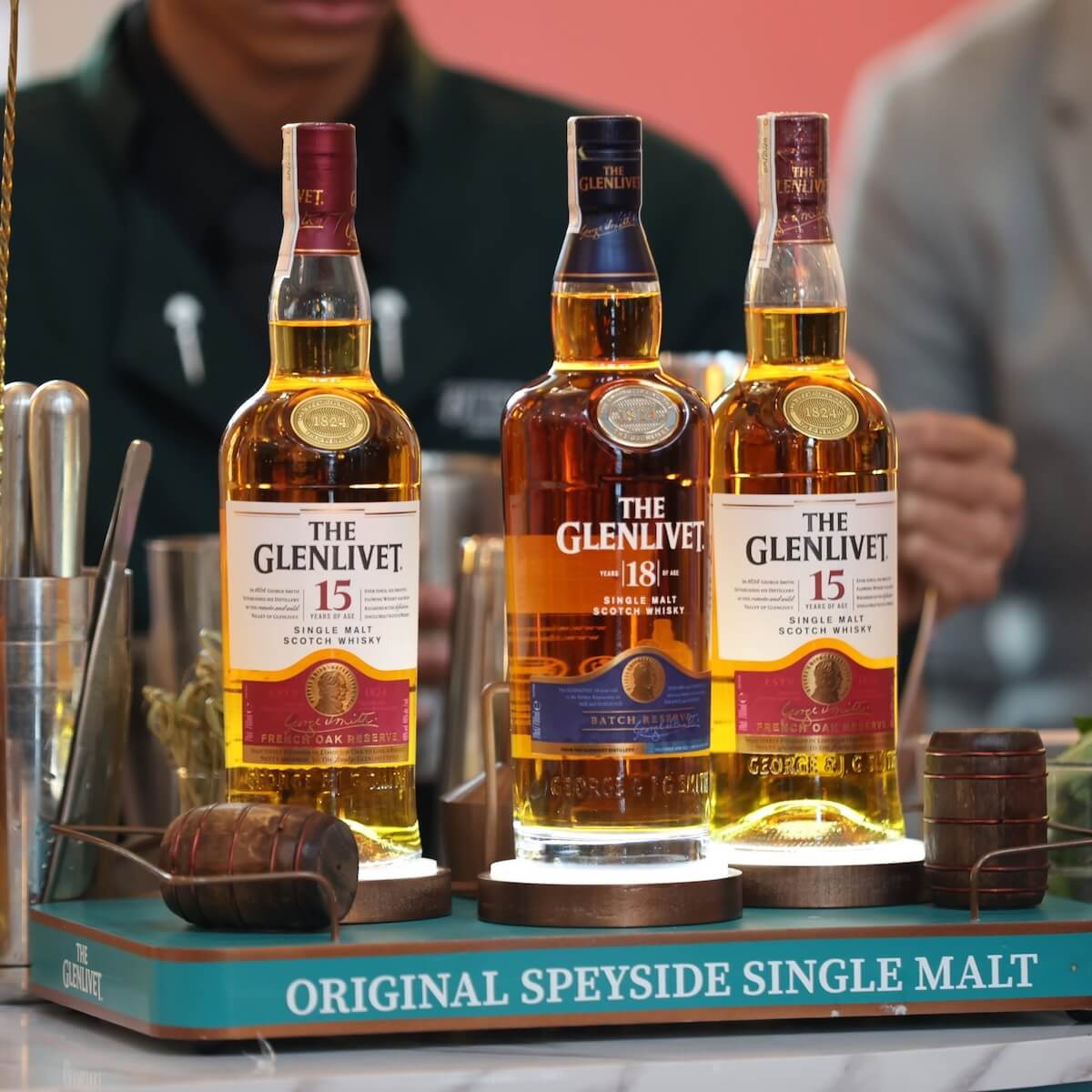
Innovation in whisky is often imagined as something young, colourful and cocktail-shaped. Then there is The Glenlivet 55 Year Old. Released for the distillery’s bicentenary in 2024, it became The Glenlivet’s oldest expression at the time and the first release in its Eternal Collection, limited to 100 bottles. Its presentation was developed with computational architect Michael Hansmeyer, whose sculptural work accompanying the spherical decanter drew on the Spey Valley landscape.
At first glance, a 55-year-old single malt appears to sit at the opposite end of the spectrum from an edible cocktail capsule. Look closer and the distance shrinks. Both ask a similar question: what else can whisky be when you change the frame around it? The same bicentenary year produced Caskmakers, for which casks were constructed using alternating staves from ex-Spanish sherry and freshly charred European oak casks. The Groundbreaker Collection, meanwhile, began with Malaysian artist Red Hong Yi and a whisky partly finished in double-charred American oak and European red-wine casks — a first for The Glenlivet.
Old liquid. New casks. Art, architecture and technology entering spaces traditionally occupied by barley, copper and oak. Heritage, in this version of events, isn’t something placed behind glass. It is raw material.
Maybe Whisky Has Had A Language Problem
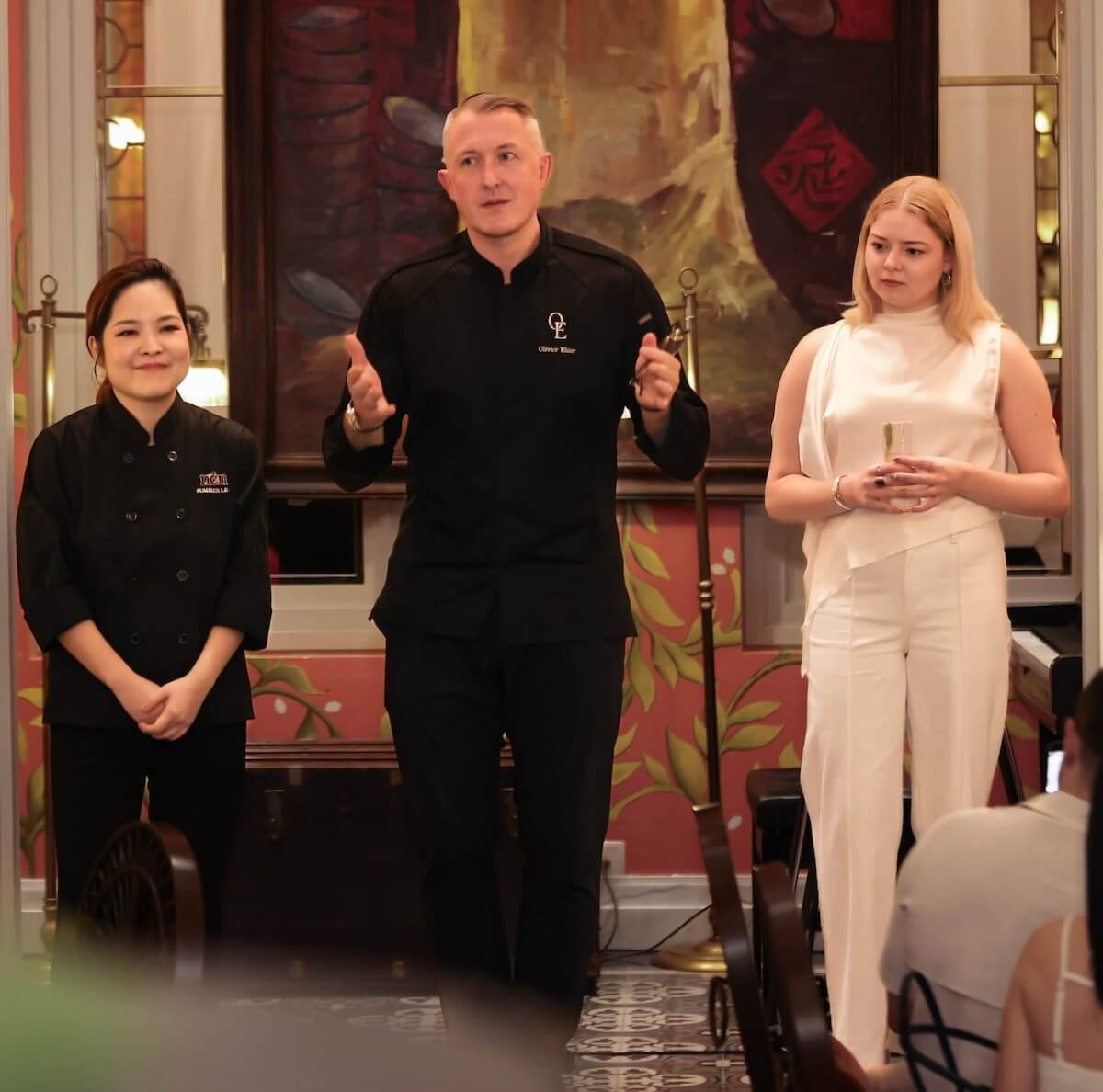
Amber Beange knows another kind of tradition whisky can inherit: the way people talk about it. She began working at The Glenlivet’s visitor centre in Speyside at 18, armed with the kind of technical knowledge a distillery guide is expected to possess. Fermentation temperatures. Still shapes. Production details. Then she watched an old YouTube video of herself giving a tour.
“Barley, water, yeast,” she remembered herself reciting. Technically correct. Completely forgettable. It became a useful lesson. Knowledge mattered, but knowledge alone wasn’t enough. The better question was why those details mattered — why a particular cut of spirit was selected, why the lantern-shaped copper stills mattered to the house style, why decisions made in production eventually appeared as something a drinker could actually smell or taste. There’s a wider lesson there for whisky.
For decades, parts of whisky culture have treated expertise almost like admission currency. Know your regions. Know your casks. Know how to pronounce the distillery. And, ideally, know which glass to reach for before anybody has to tell you. Amber’s own introduction to whisky was much less ceremonial. She initially hated it. What changed her mind wasn’t a sufficiently impressive bottle. It was the people at the distillery who invited her to gatherings, poured whisky and explained what they liked about what was in the glass.
“When I look back at the start of my whisky career, it’s not the drams I remember,” she told The Dot. “It’s the people.” That might be the most disruptive idea in this whole story. Whisky doesn’t necessarily need simplifying. Perhaps it just needs fewer gatekeepers.
The Highball Has A Point
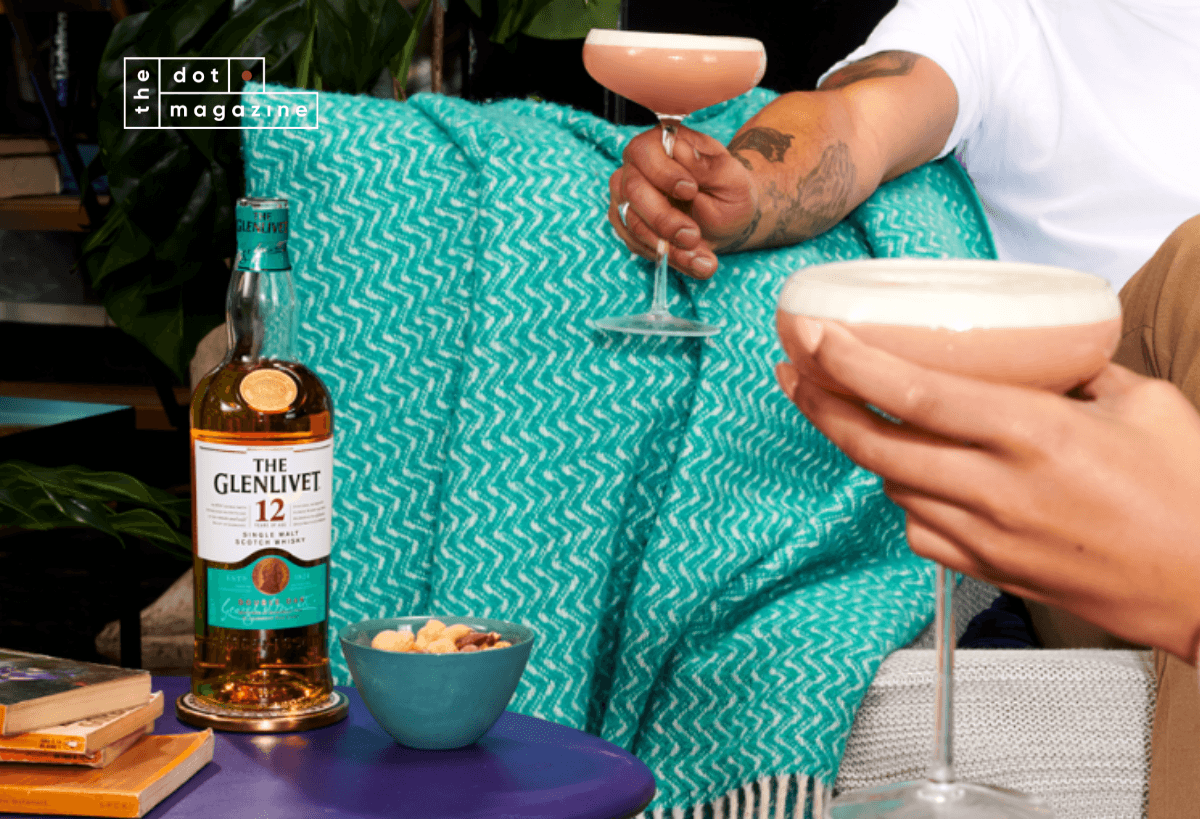
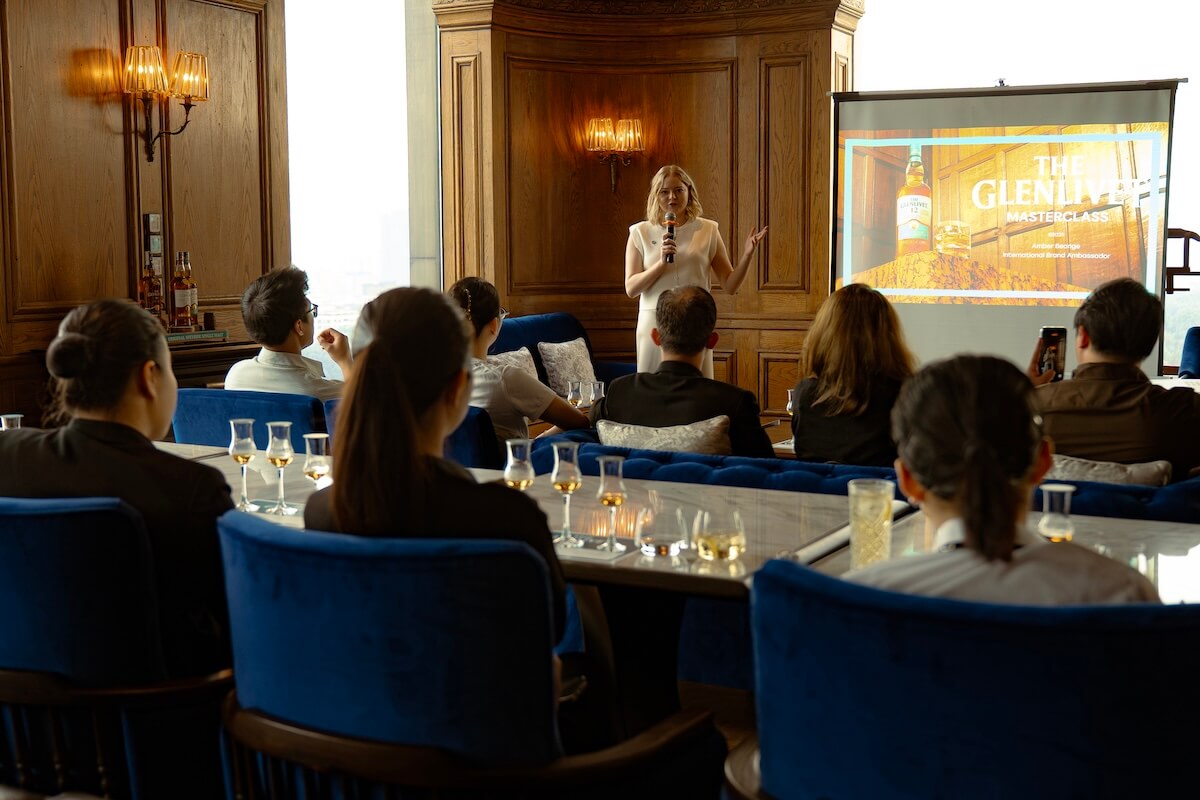
This becomes especially clear when the conversation turns from making whisky to drinking it. There remains a certain image of the serious whisky drinker: contemplative, knowledgeable, probably holding a Glencairn glass, almost certainly drinking the liquid neat. Amber is happy to complicate the picture. Older expressions such as The Glenlivet 15 Year Old and 18 Year Old can reward drinking neat, where their layers have room to unfold. But she is equally comfortable putting The Glenlivet 12 Year Old into a Whisky Sour or Highball. Ginger ale works. Lemonade works. Cola? If that is how you enjoy it, Amber’s position is refreshingly uncomplicated: enjoy it. It sounds like a minor point about mixers. It is actually a much larger point about ownership.
The moment whisky leaves the distillery, who gets to decide what happens next? The producer? The bartender? The collector who knows the correct glassware? Or the person holding the drink? The Glenlivet’s recent experiments — cocktails in capsules, Twist & Mix bottles, deliberately information-free tastings — keep circling the same question from different directions. They remove something that usually sits between whisky and drinker: the glass, the bartender, the tasting note, the instruction manual. What remains is taste. And preference.

Two Hundred Years Later, Step One Is Still The Hardest
The Glenlivet has since turned this philosophy into the language of its “Live Original” campaign, framing originality as the decision to move away from expectation. Campaign language is easy enough to write. The more interesting evidence is what happens outside the campaign.
In 2025, a bottle of The Glenlivet SPIRA 60 Year Old 1965 sold for £650,000 at the Distillers One of One auction, setting a new auction record for a bottle of The Glenlivet, according to the distillery’s own history. At the other extreme, Twist & Mix asks you to turn a cap and make a Manhattan at home. Sixty-year-old collectible whisky and a cocktail you mix by twisting a bottle cap. They make unlikely neighbours. But perhaps that is a more convincing picture of what originality looks like after two centuries. Not permanent rebellion for rebellion’s sake. Not pretending history doesn’t matter. And certainly not changing everything simply because you can.
It is being comfortable enough with what you are to occasionally do something you’re not supposed to do. George Smith’s version of that decision came in 1824, when he stepped away from the illicit distillers around him and took out his licence. Amber Beange’s version is considerably less dangerous. She might put the whisky in a Highball. She might even add cola. The pistols can stay in the museum.
Drink responsibly.