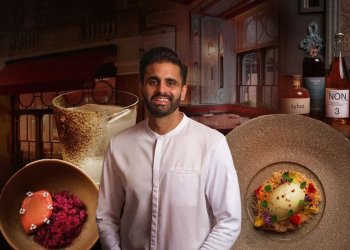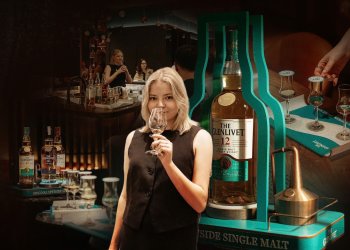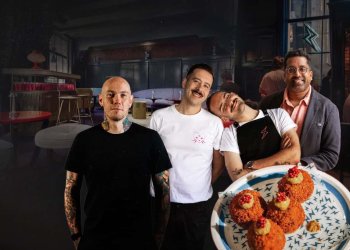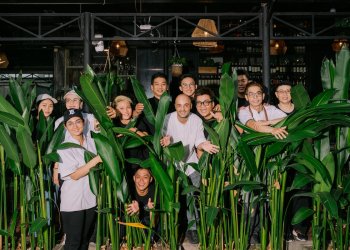



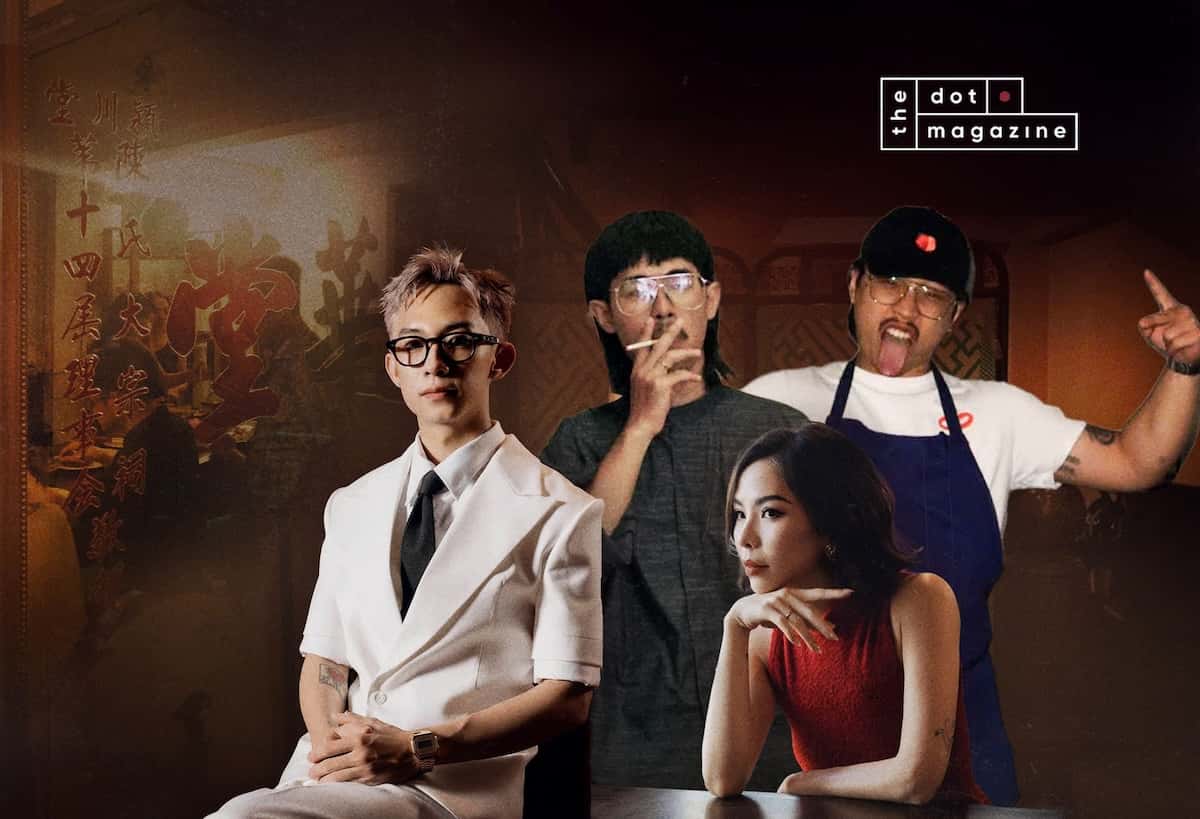
Vietnam’s bar and restaurant scene isn’t just expanding – it’s exploding. Okay. We say that every year. But, besides the cocktail and culinary capitals, their outer districts and up-and-coming cities are filled with operators who’ve traded borrowed concepts for rooted ones, spectacle for substance and gatekeeping for arms-flung-open collaboration. They’re planting flags instead of following playbooks. So, we gathered four of them – from Saigon, Hanoi, and Danang – to look back at 2025 and ahead to 2026.
Vietnam’s bar and restaurant scene right now is expanding faster than ever – pushing into outer districts, landing in second-tier cities – and diversifying fast. Vinyl bars next to wine bars. Modern bia hoi alongside contemporary fine dining. All fighting for attention. Most getting it.
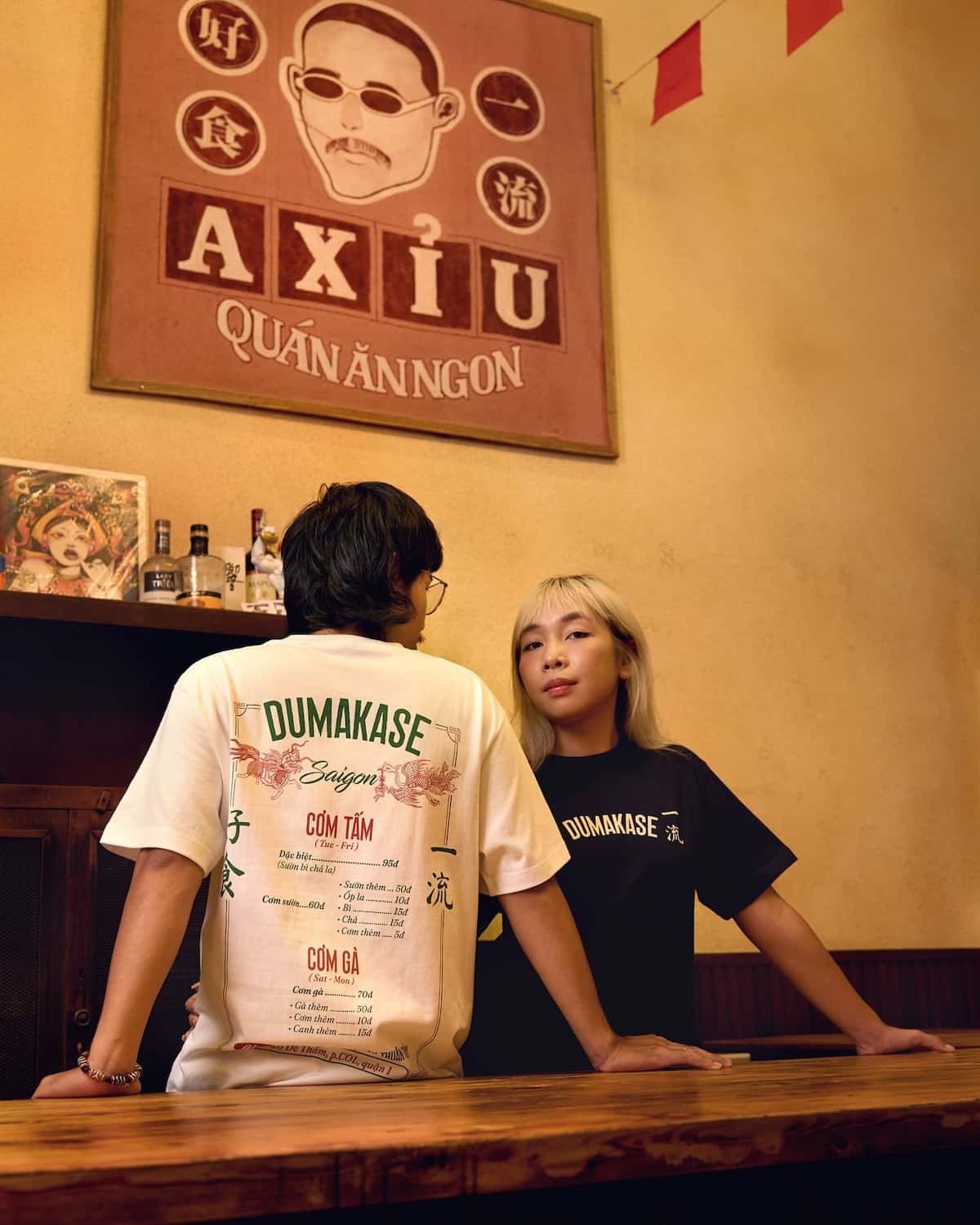
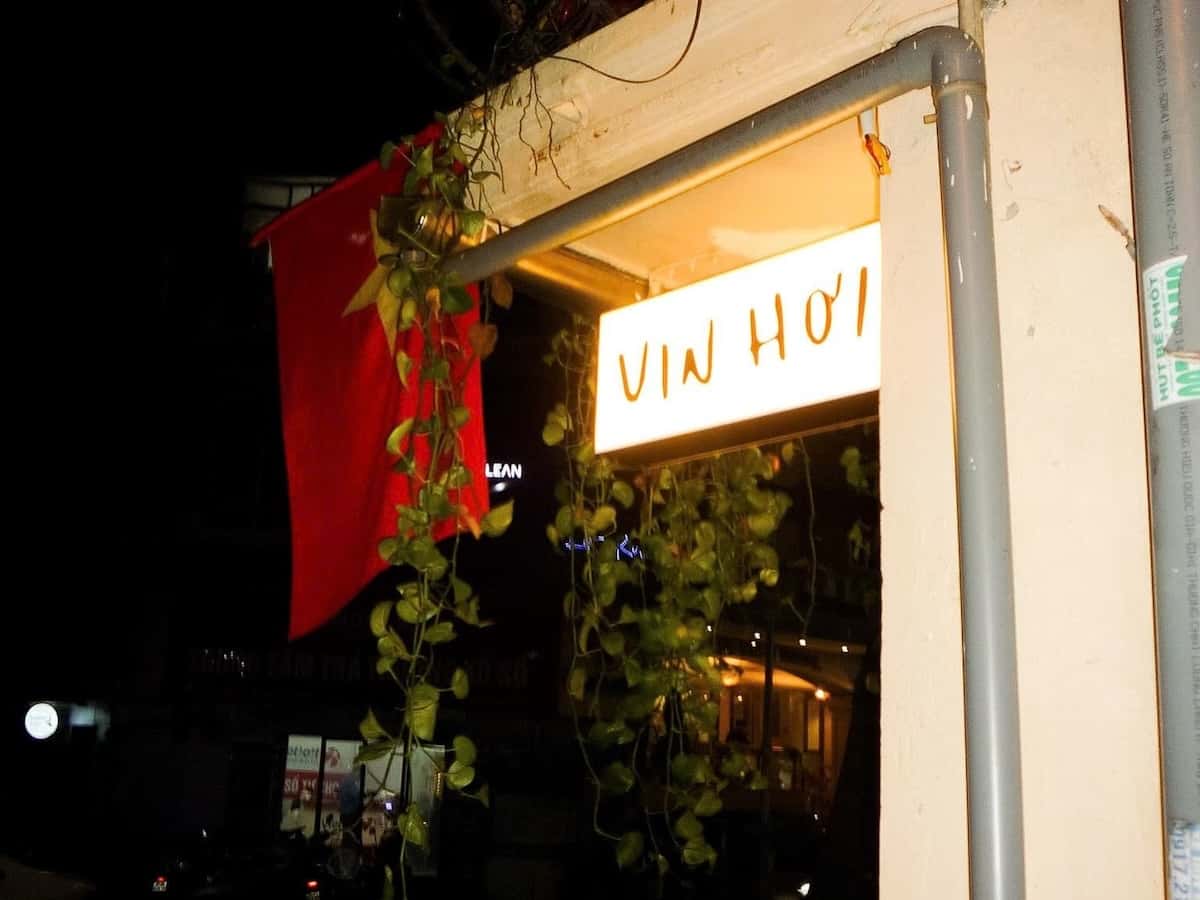
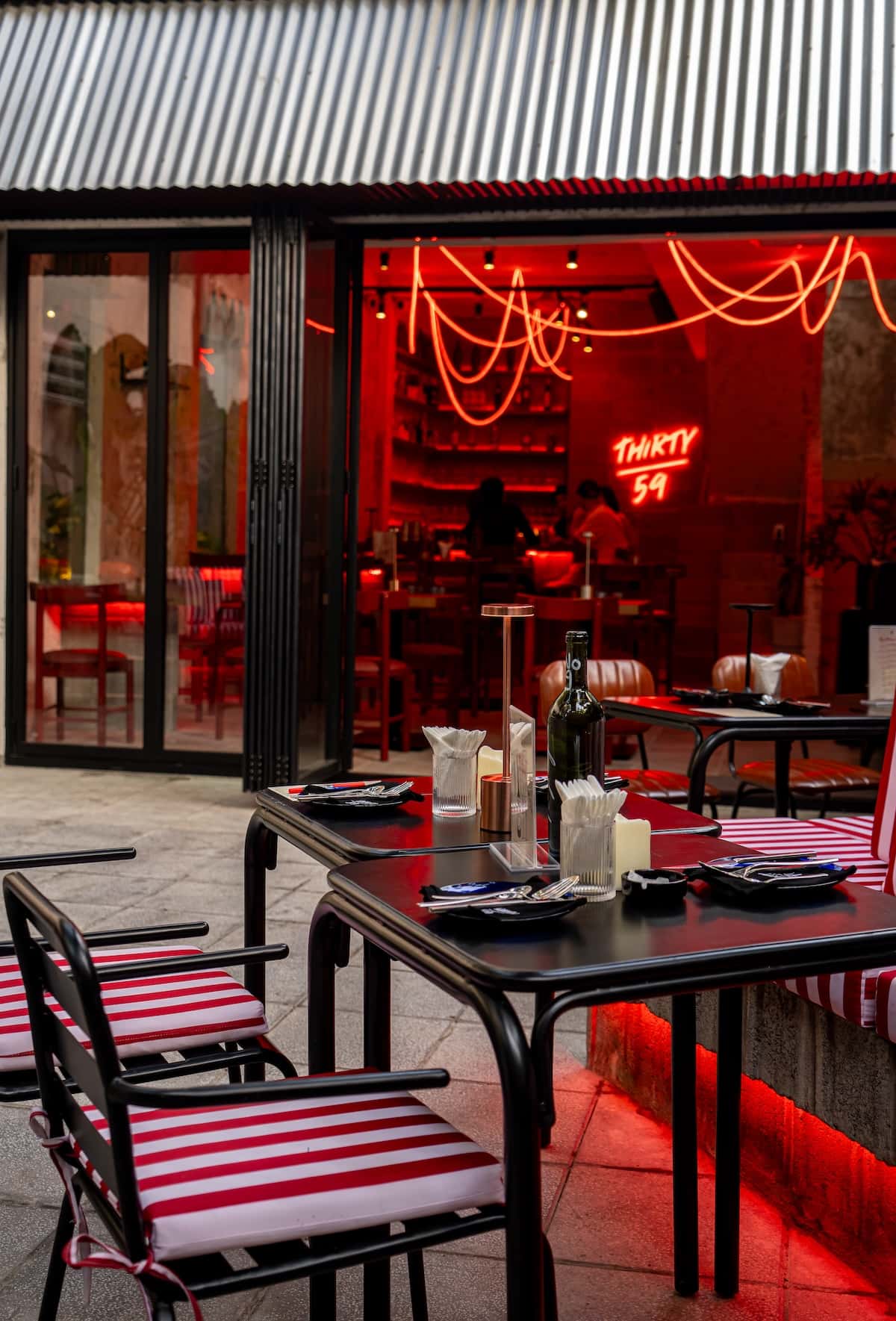
Take Thirty 59 in Thao Dien, perched somewhere between a wine bar and your friend’s house. Or A XỈU – Quán Ăn Ngon in District 1, modernizing cơm tấm and lately chicken rice under their ‘dumakase’ approach to dining. Then there’s Half Half in Danang, the about-to-open cocktail bar marrying Vietnamese pride with classic cocktails. Or Vin Hơi in Hanoi’s hip Truc Bach, reworking nhậu with more than a hint of French flair.
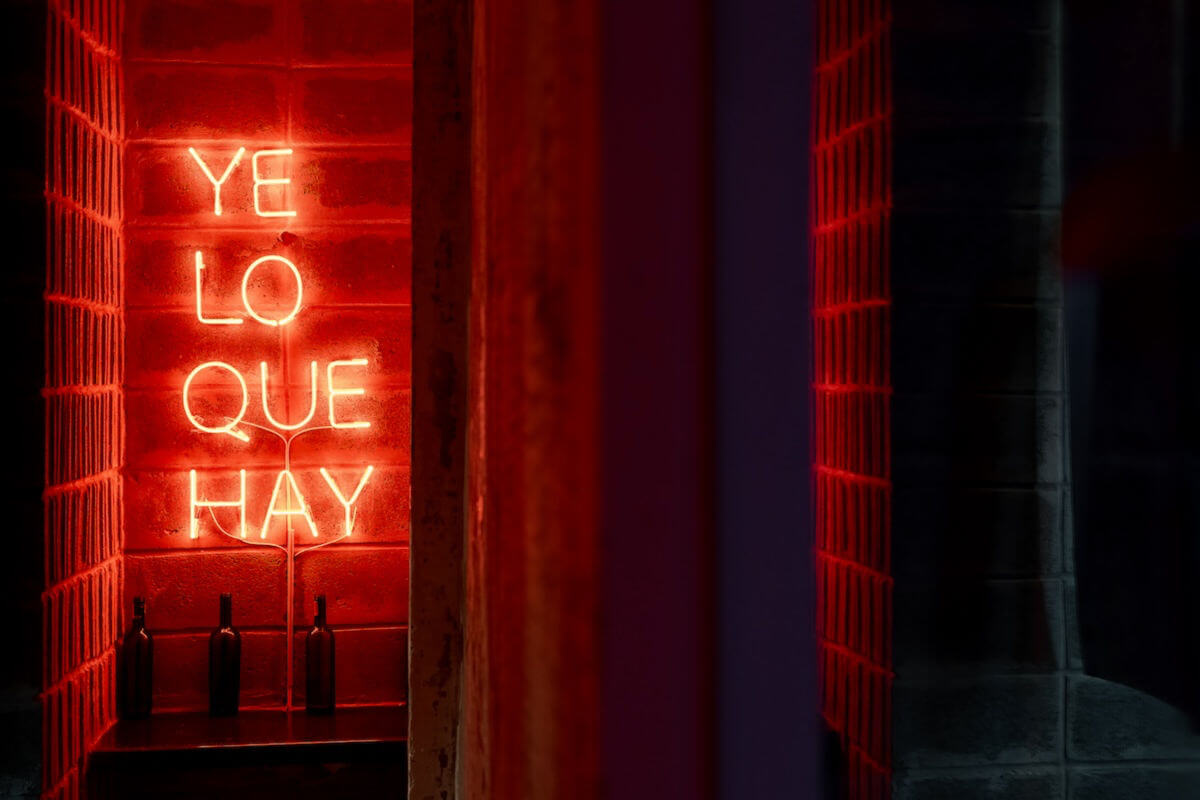
We’ve chosen this new vanguard of breezy, bright places to recap the year and look ahead to the next as we celebrate Lunar New Year. What ties them together: collaboration over gatekeeping, worldly technique rooted in local pride, and crowds of actual guests proving the approach works. Although Half Half isn’t open yet, Phan Duy Hiếu’s previous bar Firebirds – Cocktails & More makes the case. These places aren’t borrowing someone else’s playbook – they’re planting flags in their own ground.
“2025 tasted like wine. It looked like long tables, it felt like familiar faces, and unfolded through bottles shared slowly over conversations that ran late into the night,” Thirty 59’s Tra Tran begins. “An intense year, grounded by friends, laughter, and moments that didn’t need documenting to matter.”
“To me, 2025 looked like a tunnel, felt like a roller coaster and tasted like black coffee – bitter at first, awakening and sweet at the end,” Hong Hai Tran from Vin Hơi reflects. “We saw big changes in Hanoi’s food scene that, I think, will set the tone for 2026. We should see very interesting things this year.”
“2025 looked simple on the outside but it was complex underneath. Its ‘flavors’ felt a little chaotic and layered at first, but became clear and defined by the end,” Half Half’s Phan Duy Hiếu adds. “Personally, it was the year of the ‘big bang’ – harsh and high-pressure, yet full of positive energy.”
“There was lots of movement in 2025,” A Xiu reckons. “To me, on the surface, F&B looked vibrant – many new openings, lots of collaborations, and a social media explosion. But underneath, it was a year of intense filtering. Without a true identity, brands disappeared.” The presiding flavor, A Xiu muses, was bold: “Bold in storytelling, bold in personality, bold in local identity. Customers no longer just want good food – they want meaning. They want to understand what they’re eating, why it exists, and what it represents.”
What Vietnam bar and restaurant trends were big in 2025?
Tra Tran: Natural wine moved from being a niche interest to a shared language. Chef collaborations became less about spectacle and more about exchange. And local sourcing shifted beyond being a buzzword – people genuinely cared about where ingredients came from and the stories behind them.
If there was one downside, to me it was over-conceptualization. Every dish needed a narrative, a deconstruction, or a manifesto. We chose to step away from that.
Hong Hai Tran: Small casual and affordable wine bars popped up like mushrooms! But the downside to that is that some wine bars cared more about how they looked on social media than what they were serving people.
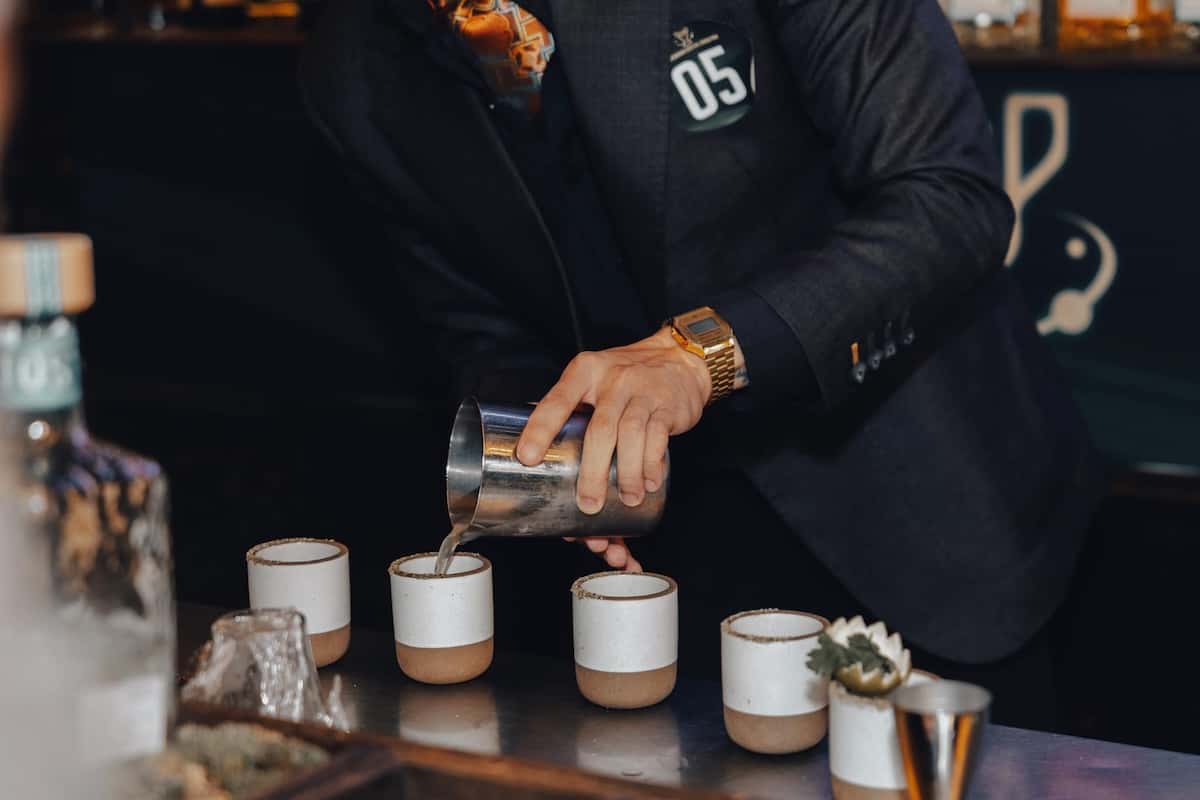
Phan Duy Hiếu: Bespoke cocktails weren’t exactly new – especially not to industry people – but they still held solid appeal for guests. Concepts also amped things up, often with a high-energy soundtrack as part of the experience.
Things got too complicated sometimes. People tried to make everything as complex as possible – more ingredients, more techniques – but not every element really got its moment on the guest’s palate.
A Xiu: The year gave me a sense of how tough the market has become – it proved how competitive and unstable the industry is right now. I believe 2025 is a year where the whole F&B industry has to take the hit in order to prepare for a radical new cycle starting from 2026.
And what will be the main bar and restaurant trends in Vietnam in 2026?
Phan Duy Hiếu: No- and low-ABV drinks. Celebrating fresh ingredients. And a deeper exploration of local produce. Creating tighter, more focused menus.
Hong Hai Tran: For me, it’s really hard to say. But I can imagine casual wine bars growing into something more thoughtful and polished rather than just places following trends.
Tra Tran: We’re inspired by how the Spanish food scene is moving away from fine-dining formality and instead elevating tradition through humility and strong techniques. At the same time, Vietnamese cuisine continues to evolve with confidence, gaining international recognition while staying deeply rooted. There’s an ongoing dialogue between cultures, and it’s increasingly reflecting back into the local scene.
A Xiu: I think 2026 will be the year of ‘structured identity.’ It won’t be enough to tell a story – brands will need to build an ecosystem: combining good food, drinks, space, community, and philosophy. Customers will choose places with depth and long-term vision, not just beautiful check-in spots.
Which were your drinks and dishes of the year?
A Xiu: The meal of the year for me was cơm tấm, honestly. And the drink of the year is definitely perilla juice. Not coincidentally, you can try both at A Xỉu!
Perilla juice has a good taste. It’s cool and fresh, a little sexy, and at its heart very healthy. Plus the color is captivating. Sometimes I’ll mix it with vodka for guests who ask nicely. I call it ‘The Pink Lady.’
Tra Tran: Dish of the year for us was the ‘collagen chicken poached rice’ by Chef Ezekiel Tan from Synthesis Singapore, which he made for one of our ‘Yes, Chef’ series of collaborations. It was comforting, restrained, and beautifully executed. Drink of the year: a bottle of Joschuari by Gut Oggau. It was shared slowly, as it should be.
Phan Duy Hiếu: My dish of the year was cơm hến. And my drink of the year was salted coffee.
Hong Hai Tran: I would say my best meal of the year was in a restaurant in Hanoi – at a place called NomNom Kitchen + Wine Bar. It single-handedly got me excited about the food scene in Hanoi.
Which talents or new openings in Vietnam’s bars and restaurants in 2025 caught your attention?
Tra Tran: Duy from Little Bear continues to impress with his thoughtful, consistent work. We also enjoyed collaborating with chefs like Anshul, whose cooking reflects Indian roots and Mexican influence, and Cameron Tay-Yap, who recently returned to Melbourne to open Pebble. It’s a generation shaped by strong kitchens, but clearly learning to speak its own distinctive voice.
My favorite new opening was Omakase Tiger in District 2. And my bar of the year was Hybrid – a solid, focused, and always-comfortable-to-return-to cocktail bar in Ho Chi Minh City’s District 1.
Hong Hai Tran: I’ve been so busy with Vin Hơi that I’ve barely looked up. When I have, I’ve noticed talents returning to Vietnam after a few years abroad and I feel their return is like a fresh breeze. If I singled out one place, it would be NomNom – the place I just mentioned – from Long and Katie, who are also behind the must-try buns of Bao Wow, Hanoi.
Phan Duy Hiếu: I’ve mostly been watching myself closely too – especially as I’m still relatively new to this industry. Beyond that, my favorite new restaurant in Danang has been Stumble Izakaya. And my favorite new bar is Bar Flow.
A Xiu: I’ve appreciated young chefs daring to return to local ingredients instead of trying to ‘Westernize’ Vietnamese cuisine. I also observed personalities in Vietnam’s bars and restaurants who build their brands with integrity, and by that I mean sharing knowledge and culture, not just their achievements. A good example is MOTLY in Thao Dien.
Locally, which classic spot stood out more than ever?
Tra Tran: Okra remains a favorite. Since the very beginning, Chef Jamie has quietly poured his energy into the place, and it still shows.
For us, Thao Dien feels like the city’s current food epicenter. You can move from Tibetan momos to deeply soulful rendang at Mam’s Kitchen, alongside a growing mix of new and established spots that suit different moods throughout the night. It feels diverse, lived-in, and constantly evolving.
Hong Hai Tran: I’m going to say Hanoi, in general, is the food epicenter of the country. There are so many good places all around it’s really hard to pick just one.
A Xiu: District 1 in Ho Chi Minh City is the country’s culinary epicenter. It’s like the soul of the city, where old and new converge. There you’ll find my nomination for the classic spot that still stands out: Tan Hai Van Restaurant.
Phan Duy Hiếu: In Danang, Ngu Hanh Son District has pretty much everything you could want, no matter your food or drink preferences. And On The Radio Bar’s cocktails keep improving and they’re putting real effort into creating new experiences.
And internationally, what bar or restaurant discovery left the strongest impression?
A Xiu: Bangkok captivated me because it’s not trying to become another New York or Paris. It remains distinctly Thai and confident about it. From street food to fine dining, the soul of Thai cuisine is being preserved and elevated with modern techniques rather than being replaced.
Tra Tran: Mod Kaew in Thailand stood out. It felt like a place where time slows down – where you can sit, talk, and sip without feeling rushed.
Aside from that, restaurants like Sala de Despiece in Madrid, Spain are blurring the line between kitchen and dining room. Designed like a butcher’s shop or fish counter, the experience is raw, chaotic at times, and deeply interactive.
Many of the ideas behind what we’re building were also shaped during travels through Portugal and Spain. Simple tables, local wine, patiently waiting for a seat, and sharing food without ceremony. Places where hospitality feels natural rather than staged. Finally, Masala y Maíz remains high on our list. Their approach to food – rooted in curiosity, responsibility, and conviction – feels refreshing and honest.
Hong Hai Tran: San Sebastian delivered. The weather was beautiful and you could taste the city’s deep culture of flavor in every single bite.
Phan Duy Hiếu: My answer is more general. My travels showed me the nonstop creativity in creating guest experiences. It felt rich, layered, and genuinely exciting.
Imagine it’s the end of 2026 – how would you describe your year, and the year for Vietnam’s bar and restaurant scene?
A Xiu: By the end of 2026, I hope to look back and see not just a growing restaurant, but a growing community. And I want Saigon to be known not only as a city of good and affordable food, but as a creative culinary capital of Asia – where tradition and modernity move together.
Saigon is a young city. Young in energy, in speed, in its courage to experiment and build. I believe 2026 will mark a more confident chapter – no copying, no chasing, but creating its own trends.
Tra Tran: Personally, we hope to have doubled down on community with more collaborations and more learning. I hope we’ll have traveled more too, tied to wine education. And maybe we’ll open a second space, if it feels right.
As for Saigon, the bar and restaurant scene feels like it’s maturing. There’s noticeably less chasing what’s happening elsewhere, more confidence in its own identity. The city doesn’t need to be Bangkok or Singapore. It’s learning to become the best version of itself.
Phan Duy Hiếu: Personally, I expect it to have been an exciting year. I faced bigger challenges, learned more, and built beautiful memories with my passion project Half Half and my team there.
For Danang, it will have felt lively. More interesting concepts opened, guests had more choices and, importantly, more fun. I predict a turbulent year, but with beautiful outcomes. Most importantly, the bar and restaurant community in Danang will have grown dramatically.
Hong Hai Tran: By the end of 2026, Vin Hơi’s booming and chefs all over the world come and join the fun to exchange cultures through food. We’ll have stopped explaining what Vin Hơi is, and we’ll just let it live. More chefs, more wine people, more of the crowd that actually cares.
As for Hanoi, I think we’ll have seen a big shift in consumers’ mentalities. Fine dining will soften and casual places become more polished. People will be more informed about natural wines, more chefs will be taking risks, and cooking will feel less borrowed and more rooted.