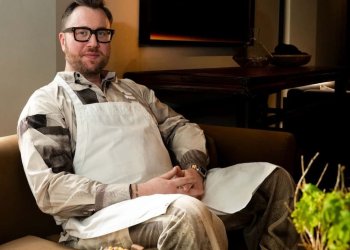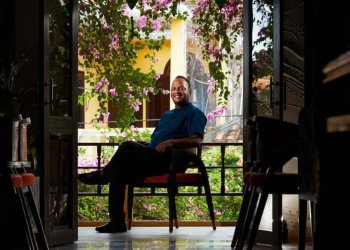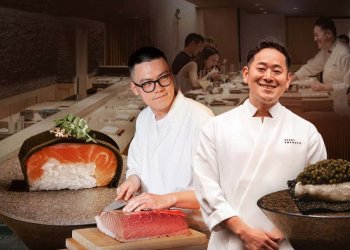



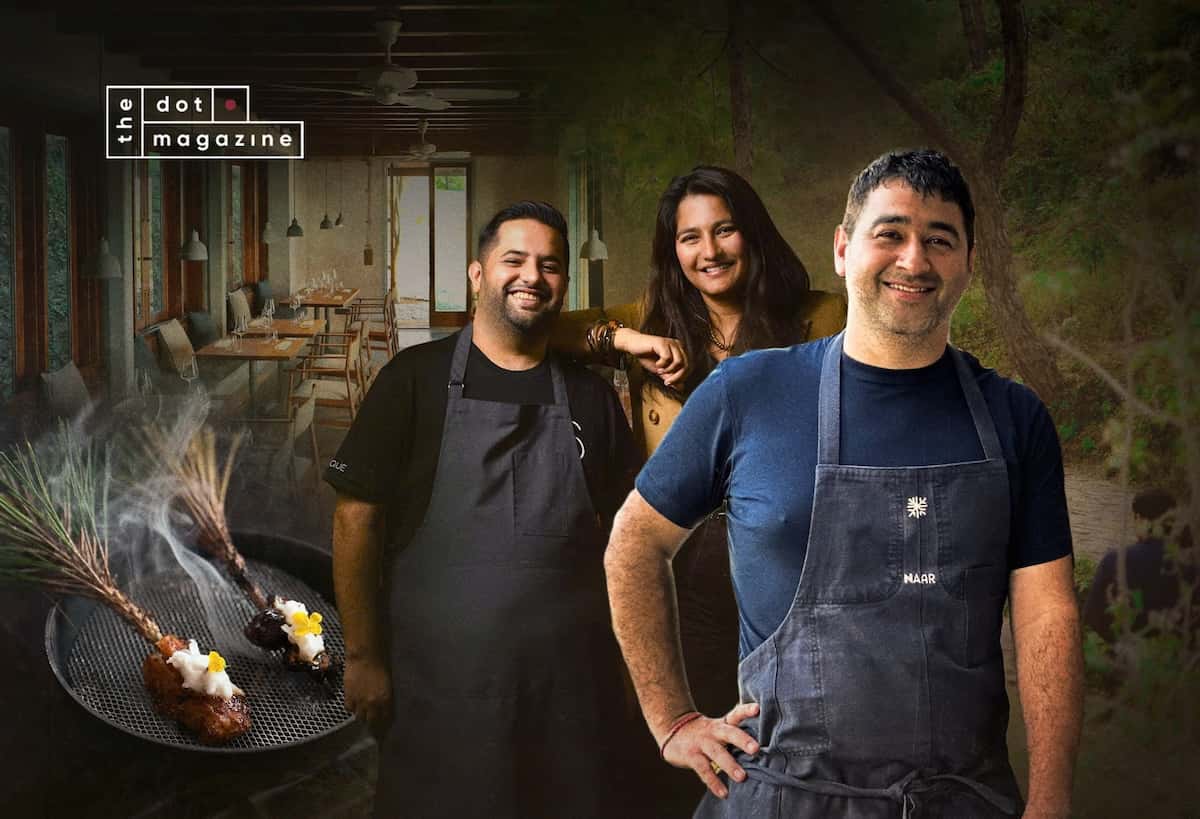
Masque is a repurposed textile mill in Mumbai. NAAR is a 16-seat room above the Himalayan treeline. Between them, these two restaurants have almost nothing in common – different altitudes, different produce and different ideas about what a dining room should feel like and who it should feel that way for. There is one thing though. Neither of them is interested in telling you what you expected to hear about Indian food.
It’s the evening of March 25th, The Kerry Hotel in Hong Kong’s Hung Hom district is hosting Asia’s 50 Best Restaurants for the first time (if it looks familiar as a 50 Best event backdrop that’s because the city had already welcomed Asia’s 50 Best Bars in 2023 and 2024, and the World’s 50 Best Bars just six months ago). The Chairman is about to take the top position, reclaiming the title after first getting the accolade in 2021. And Wing will take No. 2. For most of the room, the night is going roughly as expected.
Two restaurants set about changing that.
Masque, a decade-old tasting menu institution inside a repurposed Mumbai textile mill, rose four places to No. 15 and became the first Indian restaurant in history to receive the Art of Hospitality Award. NAAR, a 16-seat restaurant in the Himalayan foothills above Kasauli, jumped from No. 66 to No. 30 in a single year. One is the product of ten years of accumulated conviction. The other is barely two years old. Neither’s in a city that usually gets this kind of attention.
The Origin Story
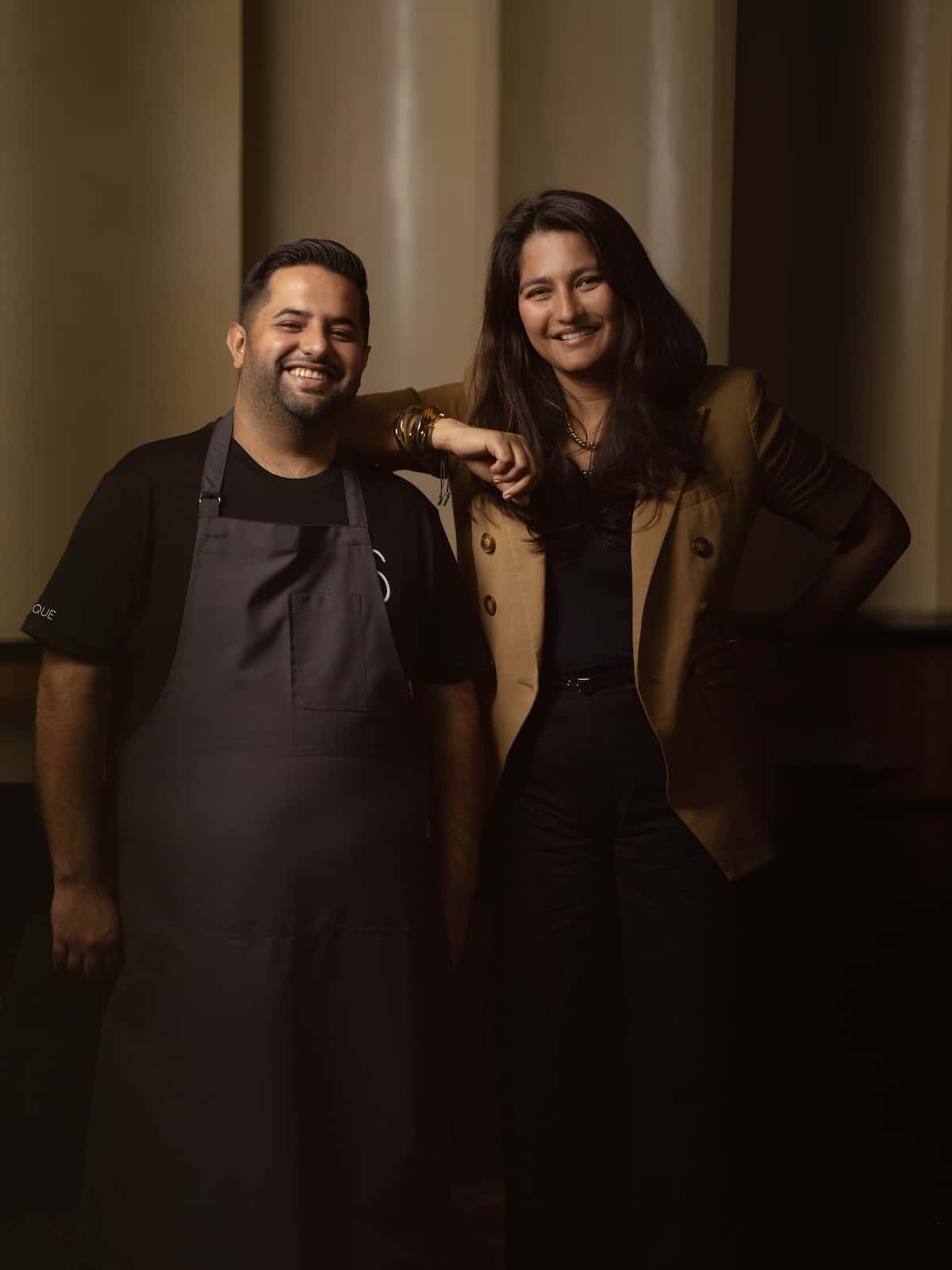
Aditi Dugar opened Masque in September 2016 in Mahalaxmi, inside a mill that at one time produced the fabric of the city. The choice of venue wasn’t accidental. Mumbai is a city built on textile labour, migration and reinvention – and that was precisely what she intended the restaurant to be about.
The concept was a tasting menu built entirely from Indian ingredients. At the time, Indian fine dining meant European food served in marble lobbies. The idea that nagphani, sea buckthorn, Himalayan cheeses, and coastal ferments could anchor a world-class degustation was, to the industry at large, an eccentric wager.
When Masque opened, three thousand kilometers north in the mountains above Kasauli, Prateek Sadhu was still working out where he needed to be. He was born in Kashmir, trained at the Culinary Institute of America, and he had cooked in some of the institutions that had spent decades building their own level of excellence. He came back to India, and in time joined Masque as head chef.
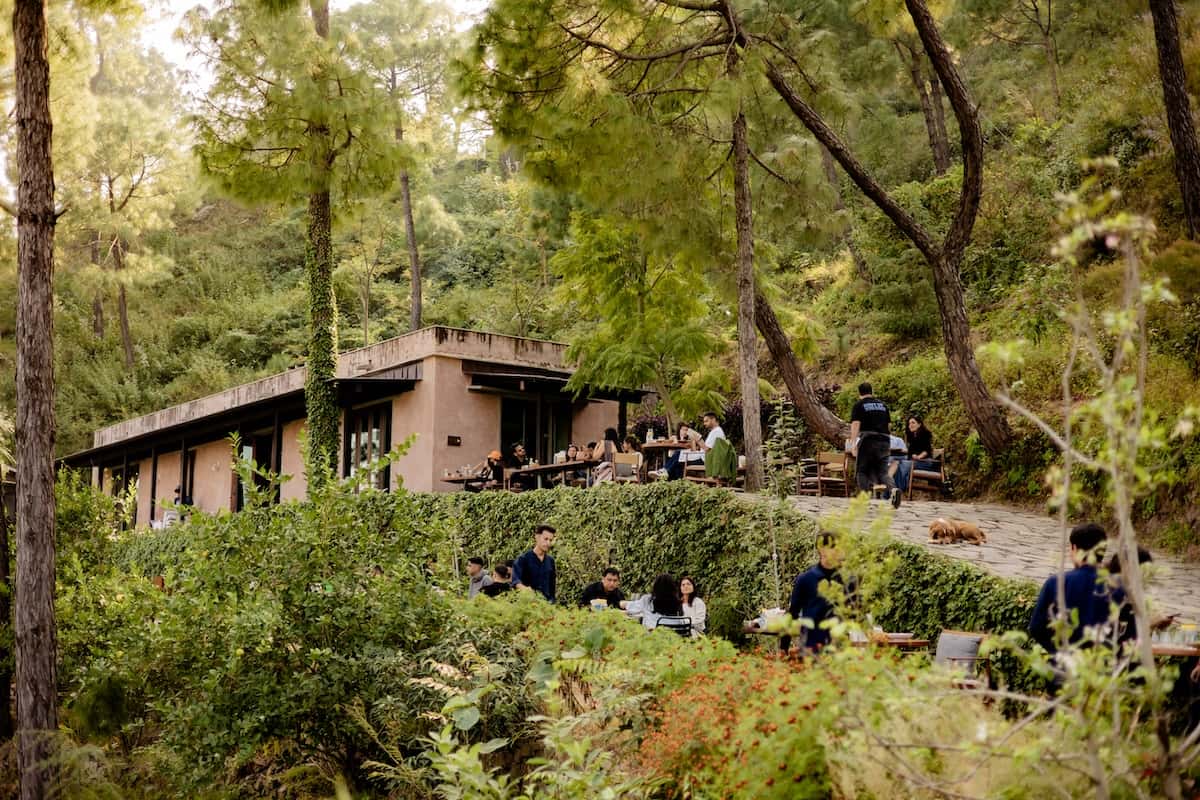
Then he spent two years traveling every province in the country, looking for what had been forgotten. He found it, eventually, right back where he’d started, in the mountains he grew up beneath. NAAR – the word means fire in Kashmiri – opened inside Amaya, a sustainable boutique resort constructed from local stone and wood in Himachal Pradesh. The dining room holds sixteen guests. The menu runs between fourteen and fifteen courses and changes entirely with each Himalayan season.
Both restaurants arrived at the same principle from opposite directions. Dugar built an institution in India’s largest city and turned it inward, toward the country rather than away from it. Prateek Sadhu left the city entirely. What they share is the refusal to apologize for where they come from.
The Material
At Masque, the ingredients begin their second life before they reach the dining room. The Masque Lab is a kitchen and research space where Head Chef Varun Totlani and his team run a continuous archive of Indian preservation techniques. Fermentation, pickling, koji cultivation and garum production – these are not methods borrowed from elsewhere but tools retrieved from within the tradition and pushed further.
Totlani travels constantly, returning from remote Goan coastlines, Kashmiri farmlands, and Northeast tribal markets with ingredients that have no precedent on an Indian fine-dining menu. What he brings back goes through the Lab before it surfaces on a plate. A nimbu ka achar becomes a sorbet. And vegetable trimmings become savory misos.
The result is a menu that is, paradoxically, both deeply familiar and entirely new. Diners who grew up with these flavours encounter them rearranged into something they cannot quite name.
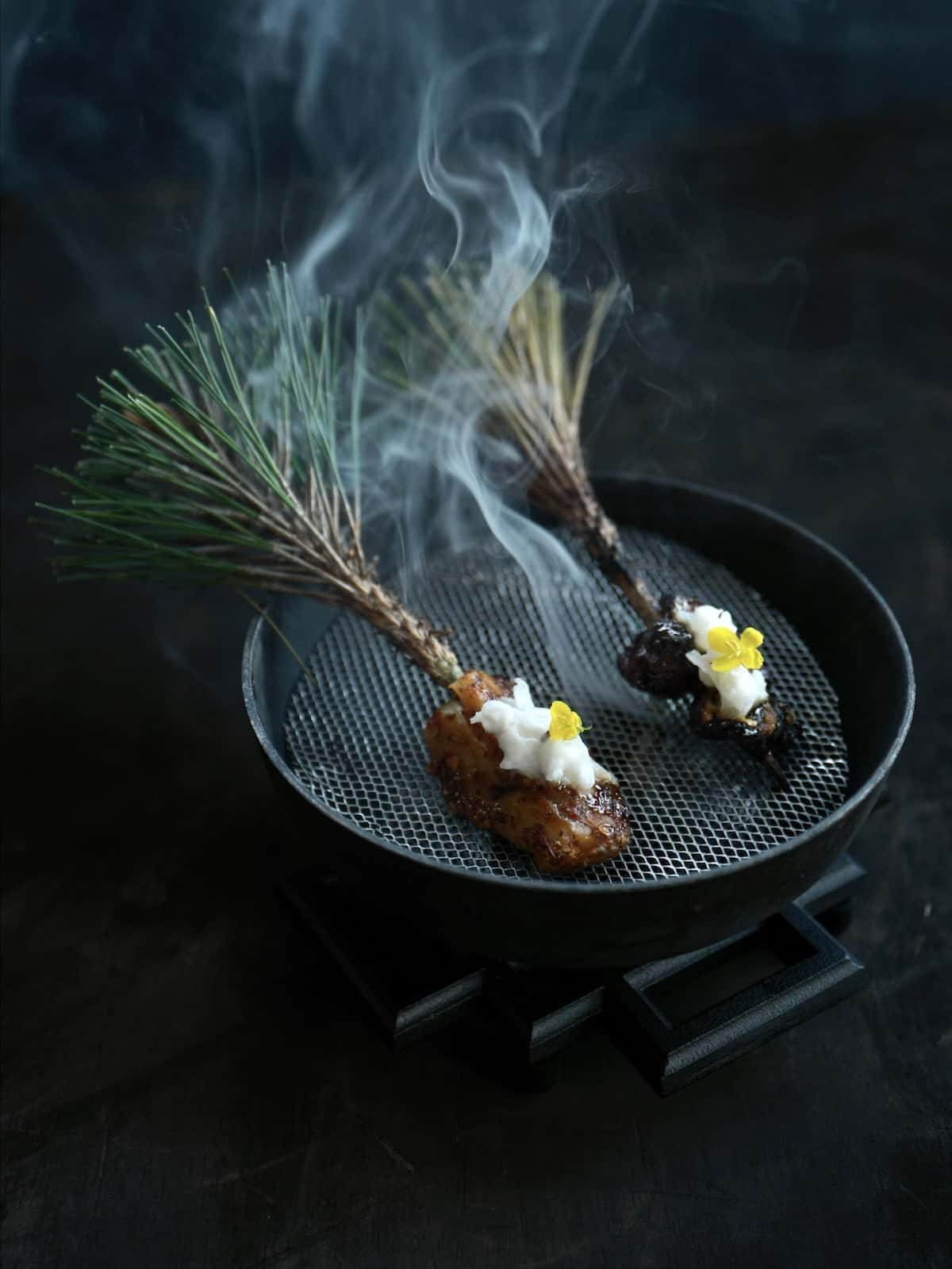
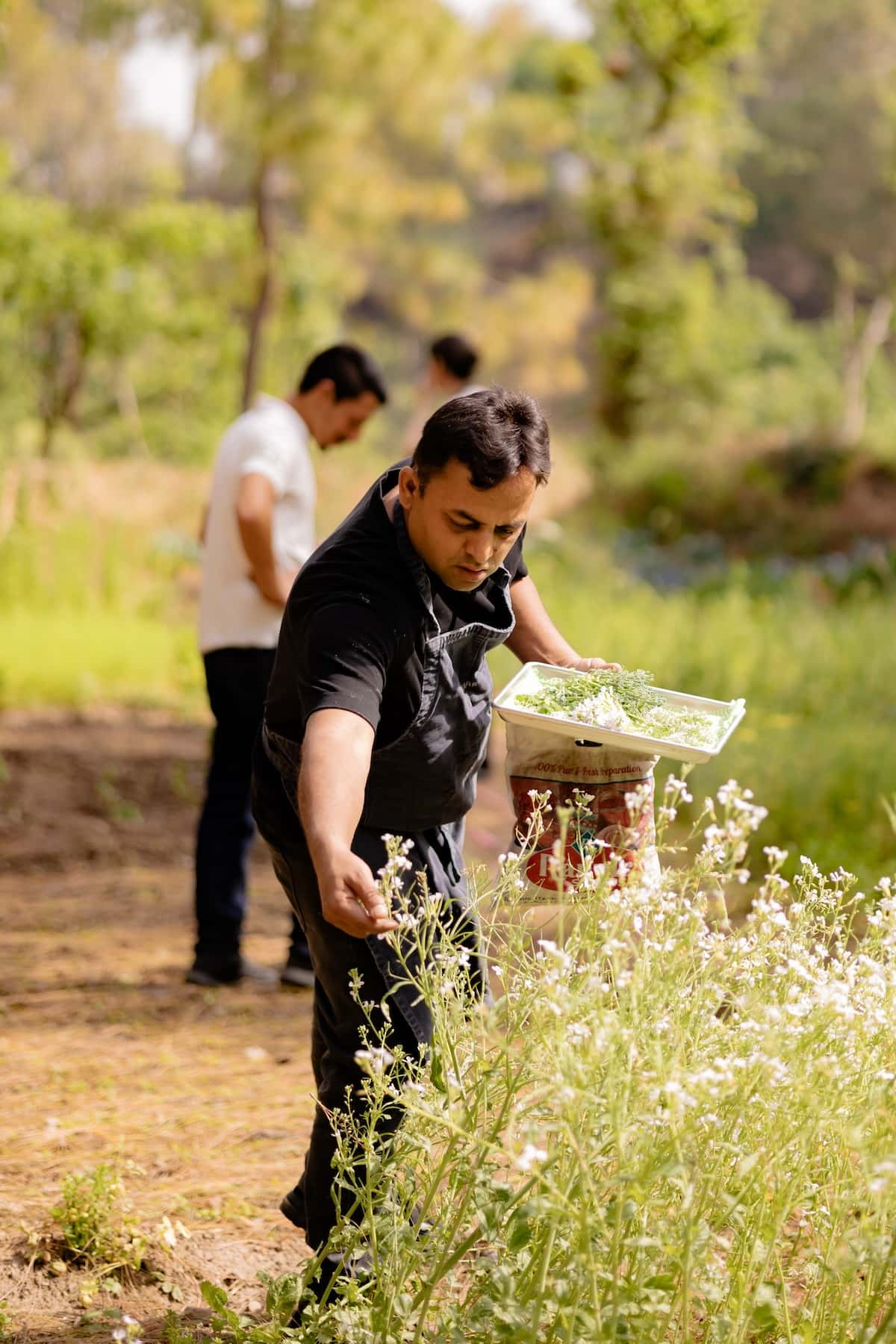
At NAAR, the process is less laboratory than landscape. Sadhu sources from the farms and slopes immediately surrounding the restaurant – from producers he has cultivated, from foragers who have become collaborators and from the wild Himalayan belt he has known since childhood. Himalayan trout. Himachali apples. Sikkimese bamboo shoots. Pine nut ice cream with fermented pine syrup. The menu does not reference the mountain; it is the mountain, expressed through what the season permits.
At NAAR, the limitation is the point. Sadhu has built a restaurant that only works because of what it cannot have.
What Masque And NAAR Have Built
Masque’s ascent to No. 15 caps a decade of incremental validation. It has held the title of Best Restaurant in India for five consecutive years. The Art of Hospitality Award, given for the first time to an Indian establishment, is a different kind of recognition – it prizes the experience of being received over the contents of the plate. That the award went to a restaurant whose founding philosophy drew on atithi devo bhava is not an irony but a logic.
Totlani accepted the award with characteristic directness. “Front-of-house rarely receives the recognition it truly deserves,” he said. “It is the team on the floor that brings warmth, precision and a sense of care to every table.”
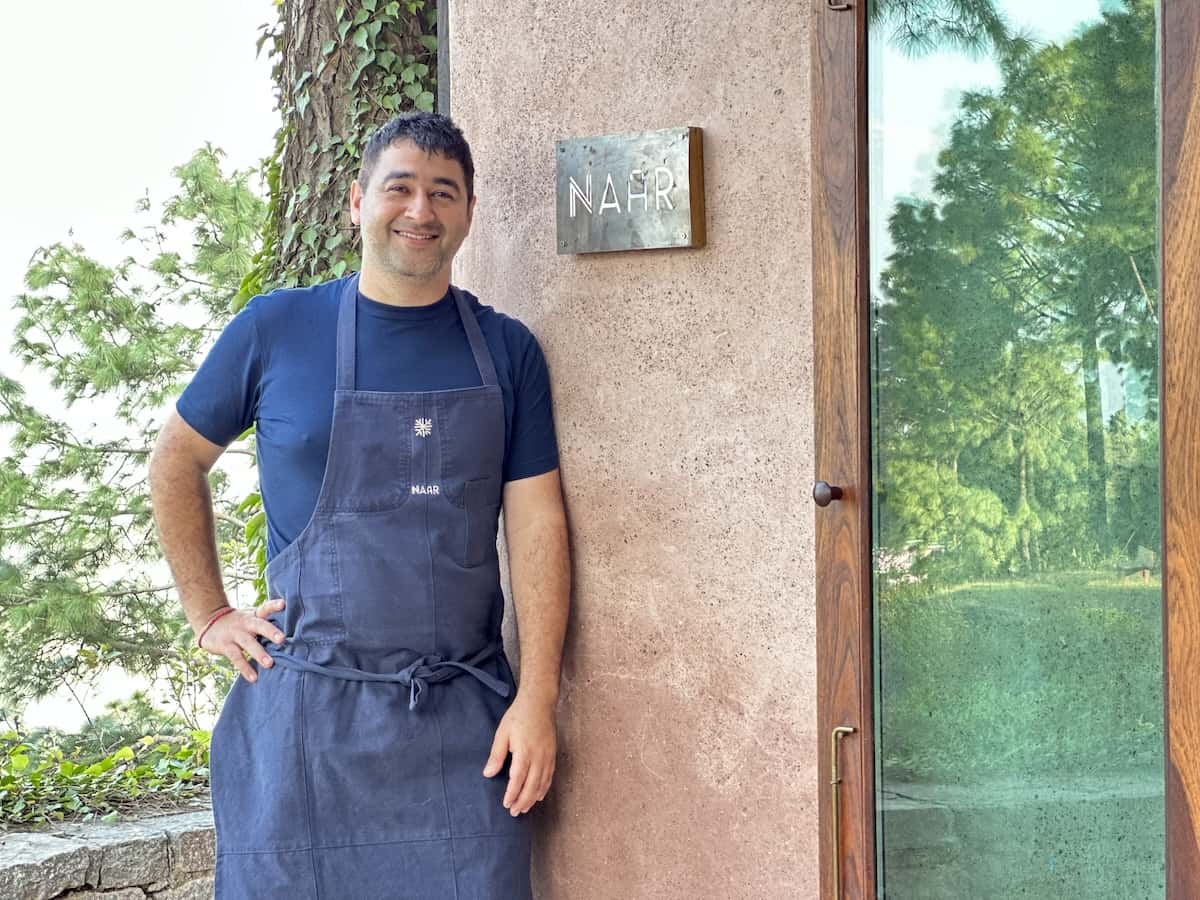
NAAR’s numbers tell a different story, and a faster one. From No. 66 on its debut in 2025 to No. 30 in 2026 – a 36-place leap, for a 16-seat restaurant with no metropolitan address. Sadhu is measured about what it means. “This recognition challenges a long-held belief that great restaurants can only exist in big cities,” he says. “If NAAR can be here and be part of this conversation, then there’s space for many more.”
The broader context helps to sharpen the picture. Tresind Studio in Dubai became the first Indian restaurant anywhere to hold three Michelin stars. Semma’s Vijay Kumar won the 2025 James Beard Award for Best Chef: New York State. La Liste’s 2026 edition featured fourteen Indian restaurants, up from six in 2022. They’re a pattern – and Masque and NAAR sit at the most demanding end of it.
What It Means
The easy narrative is that Indian cuisine has finally arrived. It’s also probably the wrong one.
Masque has been doing this since 2016, when nobody was ready to call it significant. NAAR is building something in the mountains that will outlast any particular ranking cycle. What the 2026 list did was not create these restaurants. It confirmed what was already true.
Totlani is forthright about that too: “Global recognition at platforms such as Asia’s 50 Best is telling of a larger shift. It’s one where regional Indian cuisine is looked at as more than ‘curry’ and ‘butter chicken.’ It gives us the confidence to look inwards at our own ecosystems and flavours without any second-guessing. Having said that, the responsibility to push the conversation forward has only just begun.”
But what’s undeniable is that for two restaurants – one in a Mumbai mill, one in the Himalayan foothills – the rankings finally caught up.