


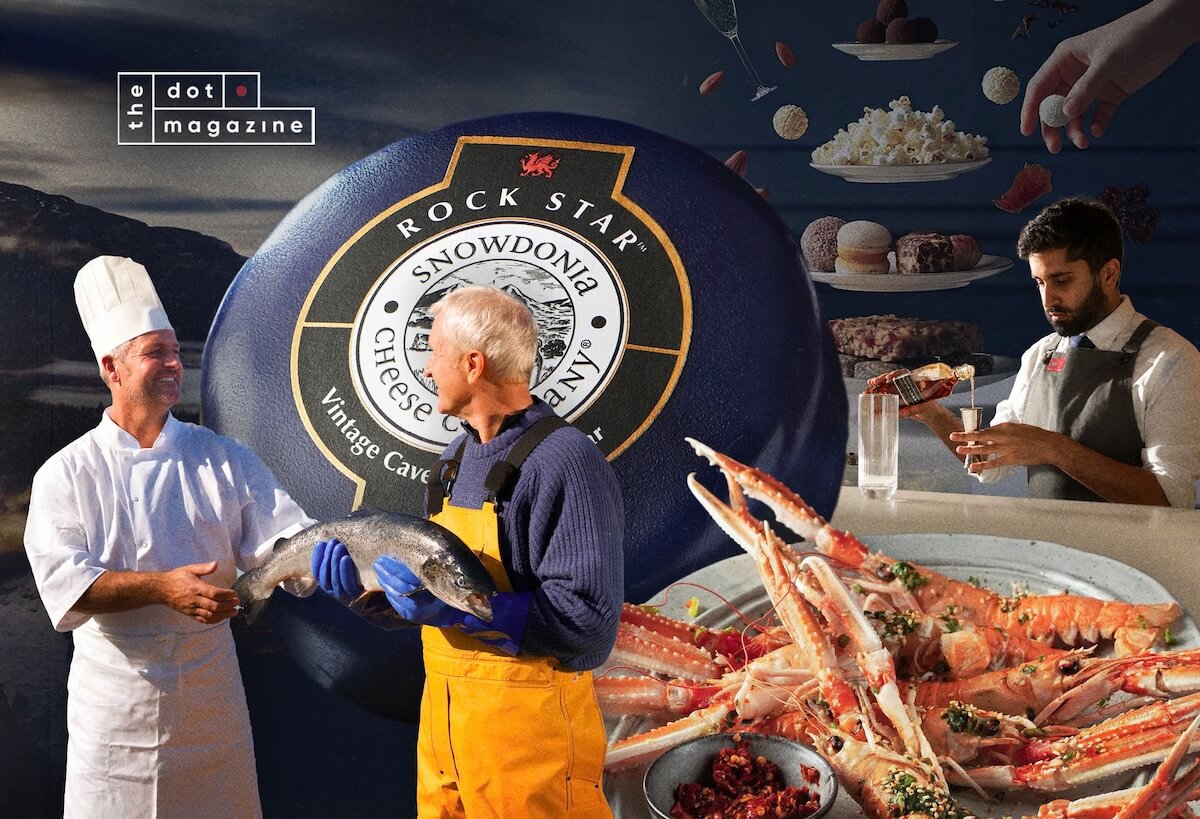
Every Britain feels like a remembered version. There’s the real one – rain on the windows, a roast on Sunday and a pint of bitter in the local – and the other one, the cucumber-sandwich, croquet-lawn and gin-in-the-afternoon version that gets sung about. Either way, the grass is real, the gin is real and the cheese is real – the nostalgia just travels as well as the produce. Further than you’d think. Six thousand miles, in this case, to Saigon.
“Gin in teacups and leaves on the lawn,” Pete Doherty sang about his half-remembered, half-invented Britain in ‘Albion.’ It painted a faded pastoral picture – an unkempt patch of grass and some spirit poured straight into the china cup, lots of it, no doubt, decorating the lawn too.
Cucumber And Roses And A Gin Awakening
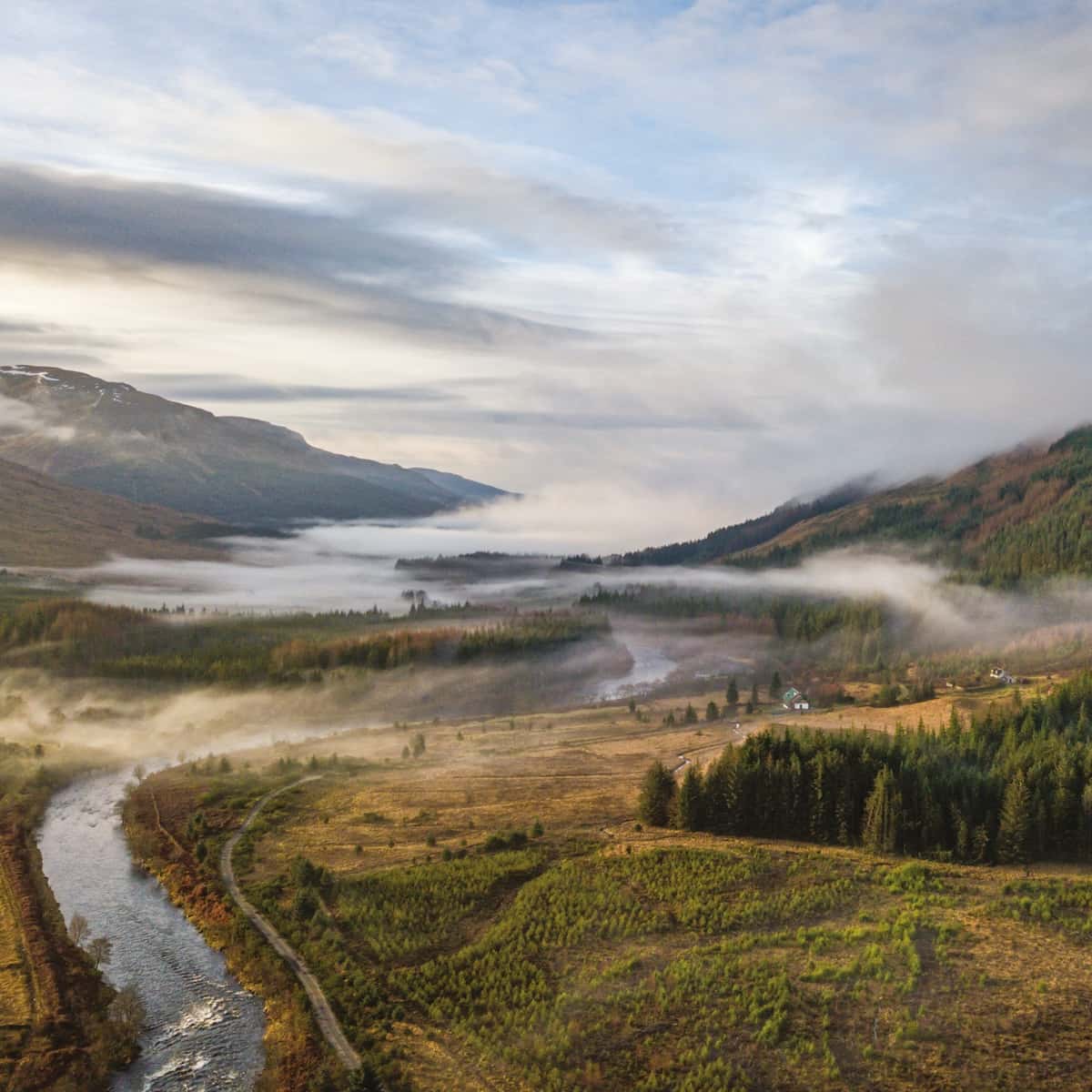
Antoine Nguyen, founder of Passion Gourmet Foods, remembers helping to launch Hendrick’s Gin here in 2009 with Tan Khoa. The brand was already a decade old by then – born in 1999, a Scottish-made gin with cucumber and rose that had quietly awoken the gin category in the West.
Saigon got it late, the way the provinces always get the memo a beat behind. “We did the launch on a boat on the Saigon River!” he exclaims with his typical excitability when talking about spirits or fine produce. Hendrick’s offered an antidote to the big-brand vodkas racing towards greater filtration and cleaner flavors – purity with a price tag – that had proliferated in the early 2000s. Antoine and the team added slices of cucumber to their gin and tonics – no one had seen that before – amplifying the essence of cucumber and rose added to the spirit after distillation. “I fell in love with gin thanks to them,” he grins.
In truth, Hendrick’s, with its apothecary-style bottle, small batch affectations and grand claims to have been invented in 1886, didn’t taste of a place – how could it when the rose came from Bulgaria and the juniper was foraged in Italy. It tasted of the idea of place. All those Victorian British eccentricities, the top hats and penny farthings, the oversized moustaches and the pocket watches, and that odd cantering lexicon laying claim to “its most unusualness.”
It Blew My Mind
Of course, the idea is important. And the delivery. Take The Connaught Bar, London, and its martinis, served on a trolley. That one drink can be held accountable for the bar’s ascent to number one on The World’s 50 Best Bars in 2020 and again in 2024, and the Heering Legend of the List along the way in 2018.
Agostino Perrone wheels out the martini trolley and builds the drink in front of you with a juniper-forward house gin or Tanqueray 10 and a house vermouth. He lays five aromatic tinctures on a card like a perfumer’s palette – which you get to choose from – then it’s stirred silently for twenty-one seconds and poured from a height to aerate it with one hand somehow, while a thick slice of unwaxed Amalfi lemon is squeezed into the cascading liquid as it descends to the glass. Often, Agostino or one of the carefully trained team will maintain a civil conversation with the guest while all that’s happening.
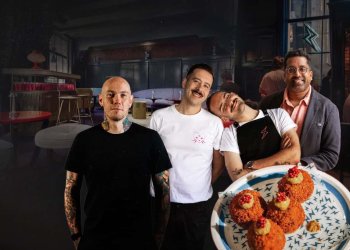
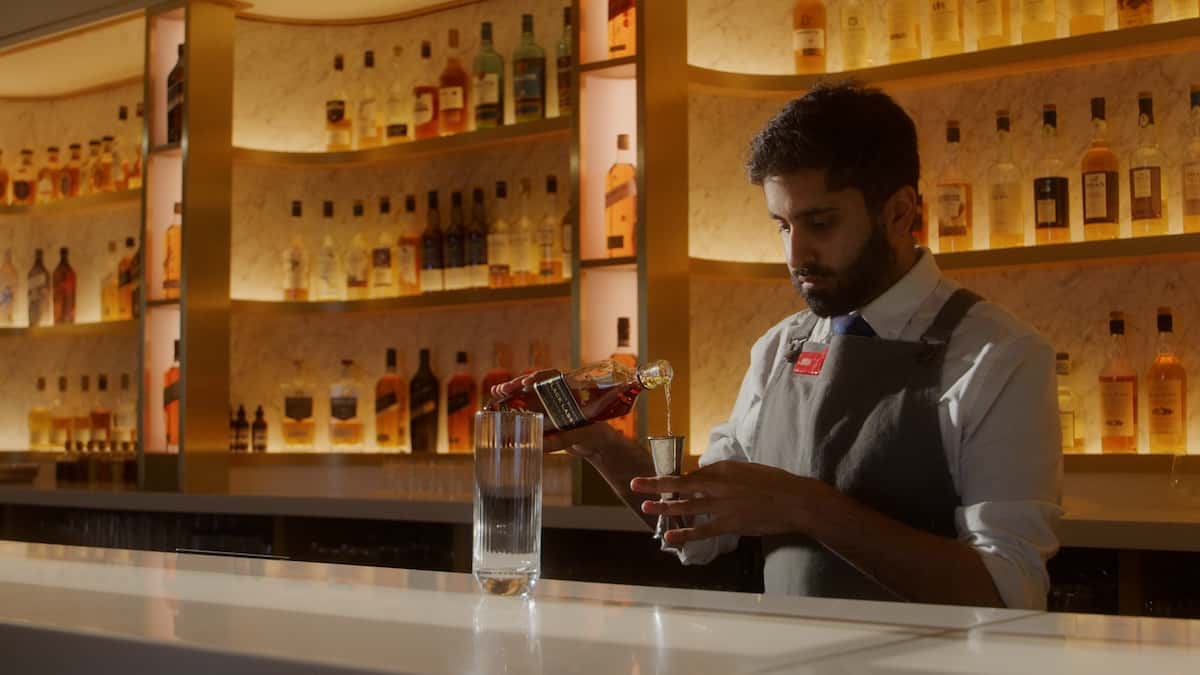
Since his time at Ho Chi Minh’s Tu Bar, a 14-seat, dimly lit octagonal bar accessed through a wardrobe, and in the two venues since – the stunning, eye-shaped space called Oculus, and Le Foyer Bar, a conventional space in an unconventional part of town – ‘Lucas’ Toan Pham has been making his Martinis the same way.
“I guess I first discovered Agostino and the Connaught style five or six years ago,” Lucas remembers. “From some random YouTube video – and it blew my mind. So, I had to try for myself.”
Obsessing Over The Details
Naturally, for a bartender who obsesses over details, that involves making a convoluted blend of different vermouths, “with a maximum of three, or it turns into some messy Frankenstein mix,” he laughs. The long pour really wakes up the floral notes in the vermouths, he contends. Besides that, he follows The Connaught’s preference for Tanqueray 10, “a beautiful house choice for a Martini,” and he’ll occasionally use Sipsmith for variety, or No.3 London Dry Gin, “with its fresh orange and grapefruit notes.”
Lemons are harder to find here, particularly the big gnarly Amalfi lemons Ago uses at the Connaught, or the UK’s Ponderosa or Meyer lemons that possess some of the same sweetness and intense citrus oils that some bars use as substitutes.
So Lucas pre-cuts small circles of lemon peel and arranges them around a plate like the hour markers of a clock face, picking one up, squeezing it into the cascading liquid, before discarding it, and, with a momentary glance across to the plate, picking up another. “For me, this part is more theatre than about imparting flavor,” he explains. “But I love the show and so do our guests.”
There’s a spirit of reinvention running through the martinis at The Connaught – a dusty hotel bar suddenly immersing you in aromatics from across the former empire, the pang of freshly squeezed lemon settling across the table, the pure celebration of a bloody stiff drink. That’s something Lucas wants to celebrate too.
Pimms In The Park
It’s good Pete sang about grass – that effete-seeming substance of Wimbledon courts and mowed-into-the-perfect-squares of football pitches, of Test Match outfields for the clunk of leather on willow and a he’ll-never-get-that chase to the boundary, of croquet lawns where mild-mannered mallet swings hide malicious intent. Grass might be the most pampered, pleasurable surface in English life.
There’s a restaurant here called The Albion in Ho Chi Minh City. It’s improbably located in the top of the very French MGallery Hotel des Arts and serves contemporary British cuisine, in the mold of JAAN by Kirk Westaway who acts as executive chef here, in a similarly vertiginous location on the 70th floor of Singapore’s Swissôtel. As at JAAN, Britishness goes beyond ingredients. There he serves Pimms in the Park, a palate cleanser based on the Pimm’s cup served at Wimbledon…or any time the sun comes out. At least that’s how it feels.
For The Albion’s anniversary, he served it with a cucumber sorbet, set on a tray with a big bundle of grass on it. Buried among the grass was a rectangle of card – printed on one side with a rug pattern, and on the other with a poem Kirk had written. “So you pour the Pimm’s over the sorbet and you recreate a lovely glass of Pimm’s like you’d have in the summertime in London,” he’d instructed.
“Start pouring the Pimm’s and everyone grins. It’s refreshing and sweet, great with citrus fruits or even neat. Loved by all until the end, together creating the perfect blend. Sipping Pimm’s inside the park, from early afternoon until well after dark,” he rhapsodized in the poem.
Besides that, there are odes to Devon cream tea, sweet onion pies, the signature tomato salad – a scoop of basil sorbet with heirloom tomatoes from Dalat ringed with basil leaves, a sweet, acidic joyride of flavor.
And often, the Britishness is a grounding element, like the stout gravy served with BBQ striploin wagyu or the capsicum ketchup with the Japanese halibut. Or literally, the grass beneath the picnic rug.
Grass again.
The Greenest Grass On Earth
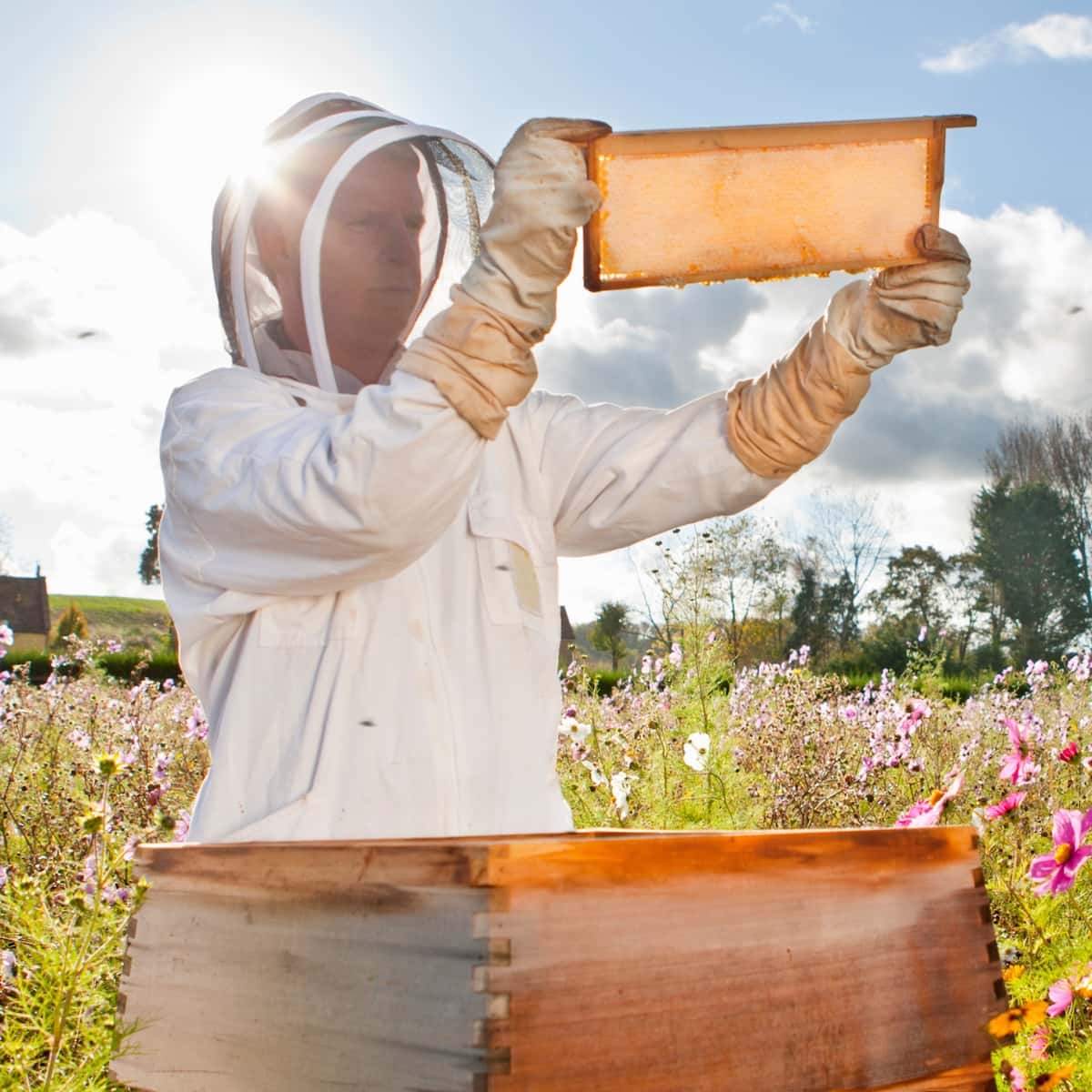
The rain-soaked west – where Kirk is from – is said to grow the slowest, greenest grass on earth. And it’s the reason the cheese is what it is, like the Devonshire smoked cheddar in Kirk’s Cheddar Pancake dish, and the butter course, where it’s scooped like ice cream tableside and topped with Cornish salt and lemon thyme, the clotted cream on their scones, and the thick pour of proper custard – yellow as the butter, for the same reason – over a steamed pudding.
And it’s the reason cheeses from around there have earned their place in the cabinet at Annam Gourmet, settled in confidently between the Brie de Meaux and the Bleu d’Auvergne. The Clawson Blue Stilton, like Champagne, is protected by law – made only in three English counties by a handful of licensed dairies, the blue left to find its own way through the paste.
Near to it, the Wyke Farms Cheddar comes from a family farm in Somerset, a few miles from the village that gave the cheese its name.
There’s a Red Leicester from the same farm, and a Shropshire Blue with a confession to make – it isn’t from Shropshire, and it isn’t even English. It was invented in Inverness, renamed because Scottishness, in this case, didn’t sell, and dressed up in an English county the way a certain Scottish gin dresses in an English garden.
Oysters And Langoustines
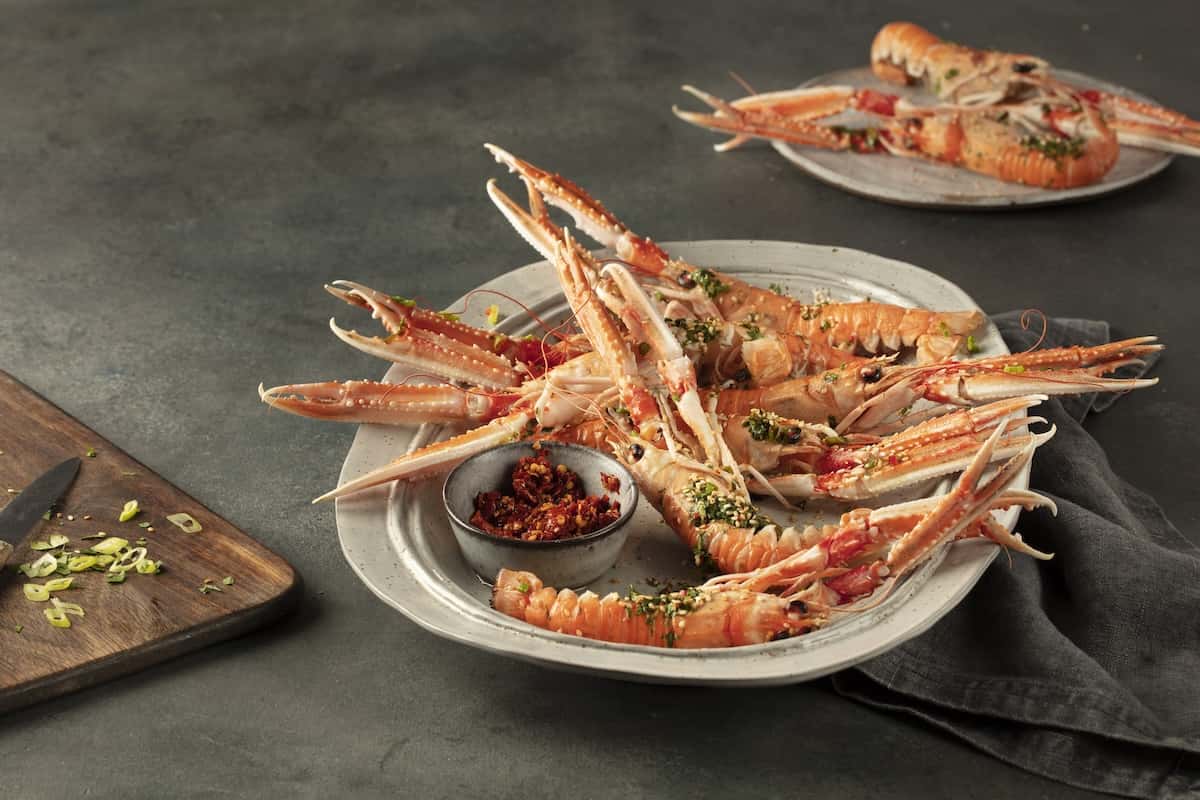
Then the sea. The cold, clean, North Atlantic. Native oysters off the Colchester beds. Langoustine landed live on the west coast of Scotland.
The same cold water wraps around Islay. At Bowmore it sits on the other side of the warehouse wall – the No.1 Vaults, below the tideline, the swell breaking against the stone while the casks breathe in the salt. Nguyen Minh Khanh knows that wall well.
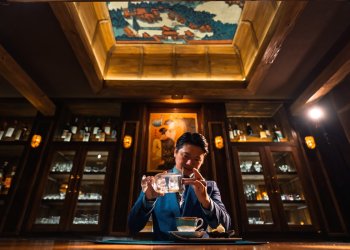
He brought the taste home. At PK Maltroom, his bar, the shelves groan under the weight of it – there’s lots of Scotch, but there are gins, Caribbean rums and American bourbons too. His own tastes run to single malts and to tailoring that would draw a nod along Savile Row.
He trained as an opera singer, the Bel canto style, at Vietnam’s National Academy of Music – the operatic kind you’d find in Donizetti, Rossini, Bellini. The room he’s built owes more to the pub. A playlist kept low, at the volume of easy banter. A team as ready to crack a can of bitter as to pour a dram of Ardbeg or stir up a classic.
A Long Way From Britain
With only the faintest provocation, Khanh runs through his favorite British foods. “Is pie and mash British?” he asks first. We tell him it is. “With an IPA or simply a pint of bitter!” He’d start the day with a full English. He’d make a Sunday roast the highlight of the weekend. “I really love British pub culture,” he says, and means it.
Doherty half-remembered his Albion, half-invented it, and sang it out of a teacup. Khanh, who actually trained to sing, performs his own version six thousand miles from the lawn it describes – full English, pint of bitter and all – and feels nearer to the truth than the original ever did.
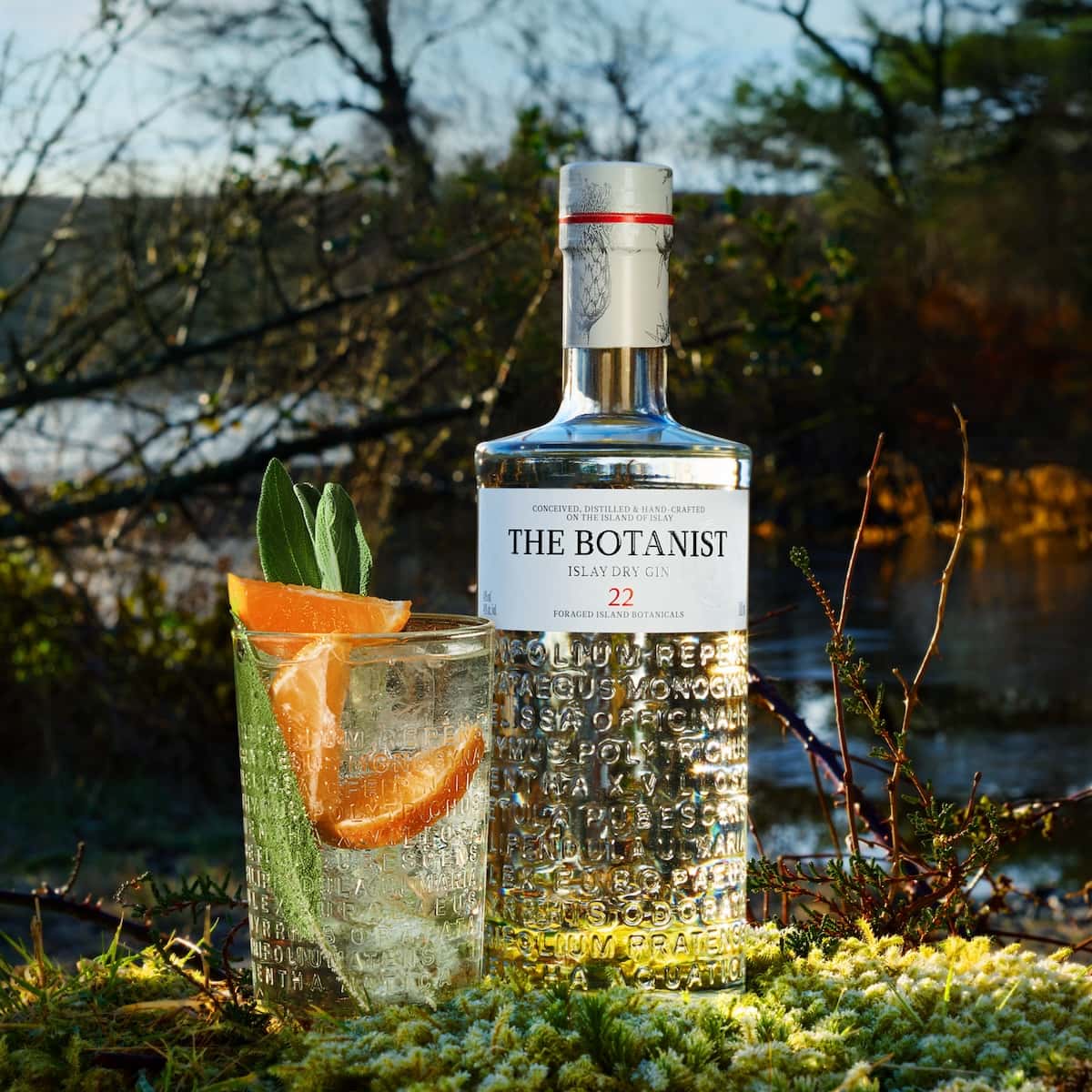
Gin in teacups. Leaves on the lawn. And a shelf in a Saigon back-bar, Botanist next to Hayman’s, Ardbeg next to Bowmore. All of it a long way from Britain, but Britain lives in the mind too.