


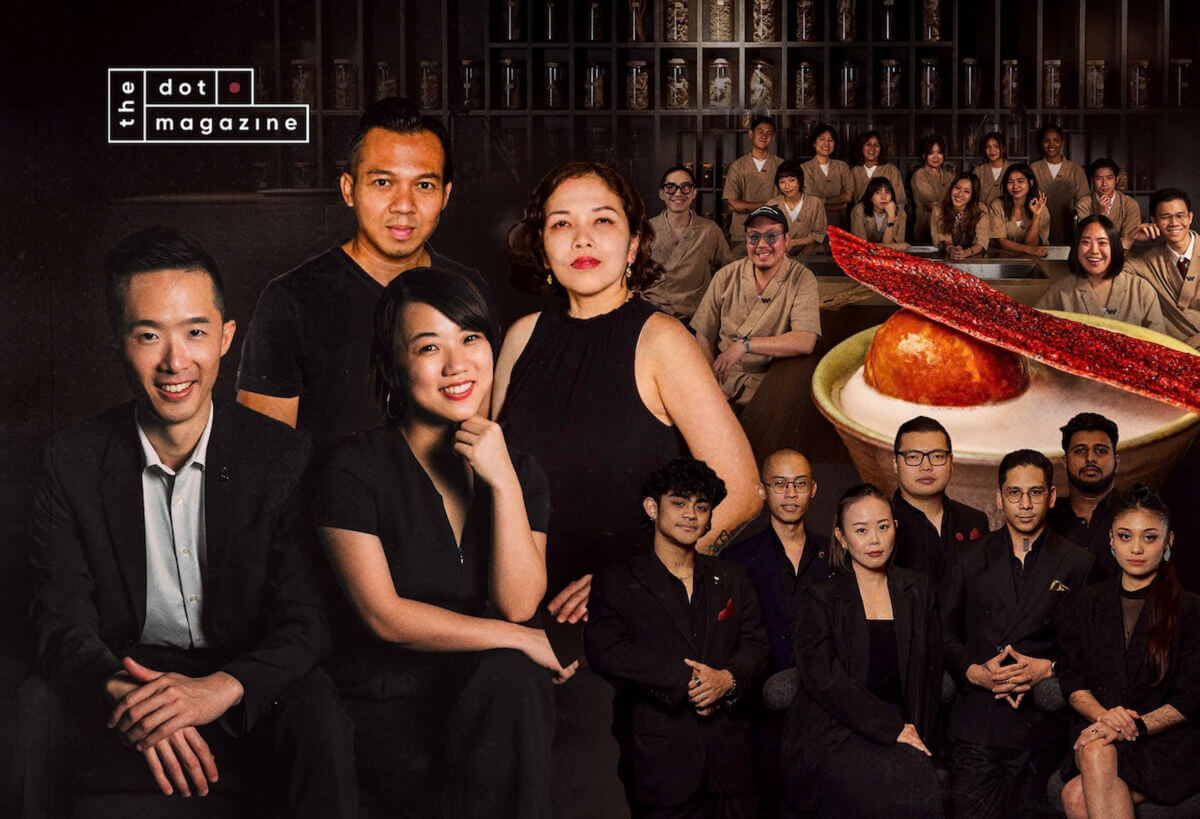
Asia’s 50 Best Bars 2025 showed that cocktail bars in the region are writing their own rules about what culture and heritage means when it’s shaken or stirred, and served in a coupe. From Bangkok designers turning Pad Thai into liquid form to Hong Kong sustainability crusaders setting up in Shanghai, these bars have discovered that their stories are created in real time, and tap into some kind of culture, even if it’s one they have to make for themselves.
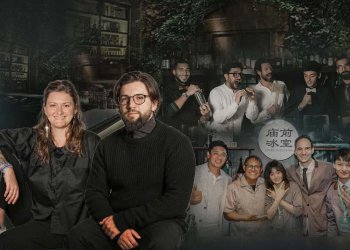
Ahead of the announcement of Asia’s 50 Best Bars 2025 in Macau, the teams from Bar Us, Bangkok, Penrose, Kuala Lumpur, Vender, Taichung, and Penicillin Hong Kong – accompanied by Jamie McCleave from their new Shanghai branch – to contemplate what consideration they have for heritage and culture when they create their cocktails.
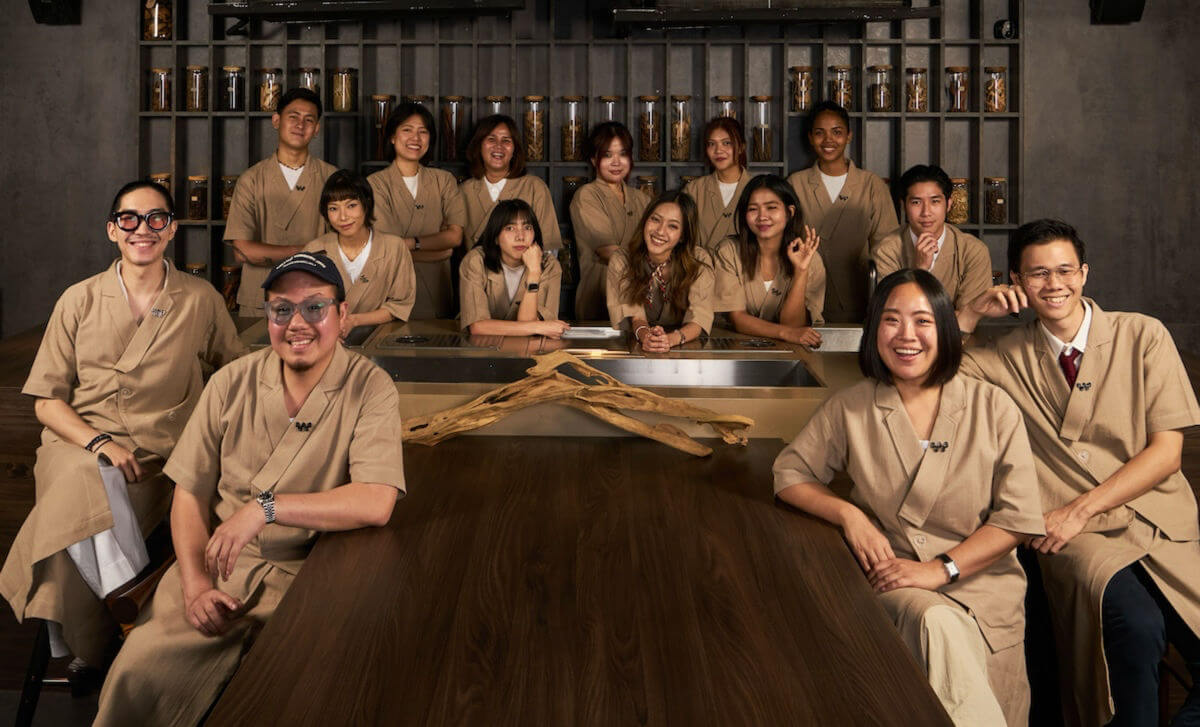
Bar Us, Bangkok: Distilling Tradition With A Designer’s Eye
Taln Rojanavanich and Aum Veerach Sawaengsupt are designers first, bartenders second. Or maybe it’s the other way round now.
Taln radiates genuine warmth, while Aum observes the world through tinted glasses often retreating behind a sharp wit or to the safety of a huff of Hong Thai inhaler while Taln carries the conversation. Beside them, Bar Us’ Service Manager Pongsakorn Akarabunditsaku, also known as Beer, is content watching them.
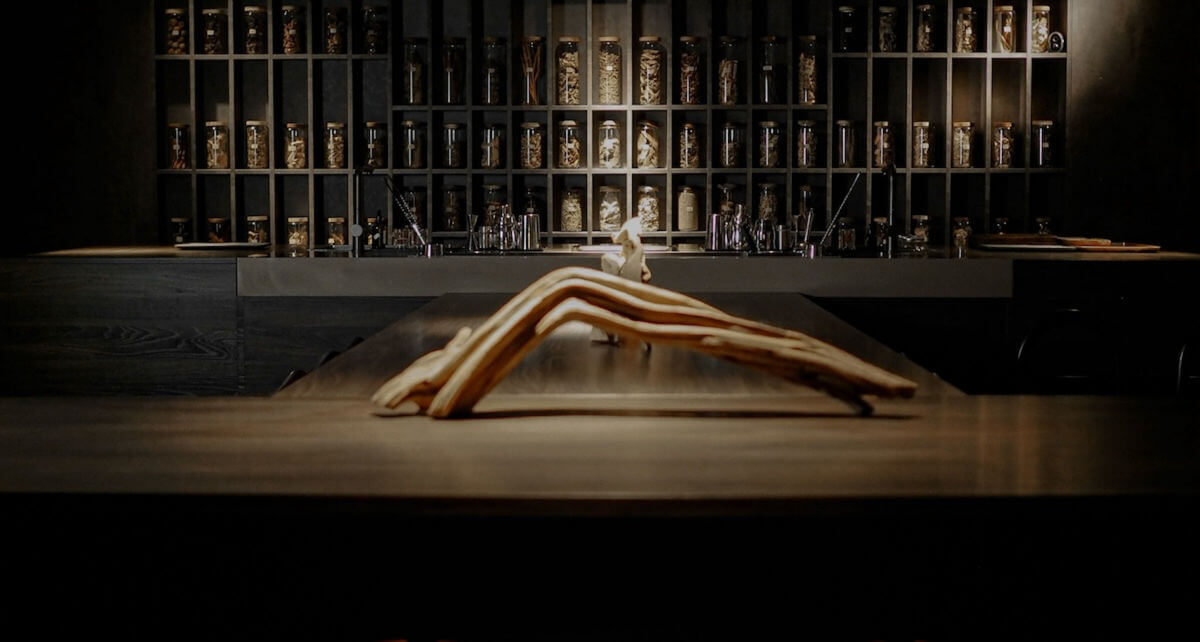
At their Bangkok cocktail bar which only opened in April 2023, the founders’ design background is immediately apparent. It’s a stylized, conceptual space – archly lit and experimental – with the cocktails as consciously created. “As designers, to us this is another type of design – flavor design,” Taln smiles. “So when people think about Bar Us, we want them to think about the drinks first and foremost.”
The menu reads like a dining experience – structured around starters, mains, afters, and all-night classics. “Drinks in the starters section are refreshing, main courses are savory, and afters are desserts, and finally, the all-night section is classic twists,” Taln explains.
The bar welcomes both seasoned drinkers and those completely new to cocktails. The menu’s restaurant-style structure helps guests know what to expect, while the focus on familiar culinary flavors makes even complex drinks feel approachable.
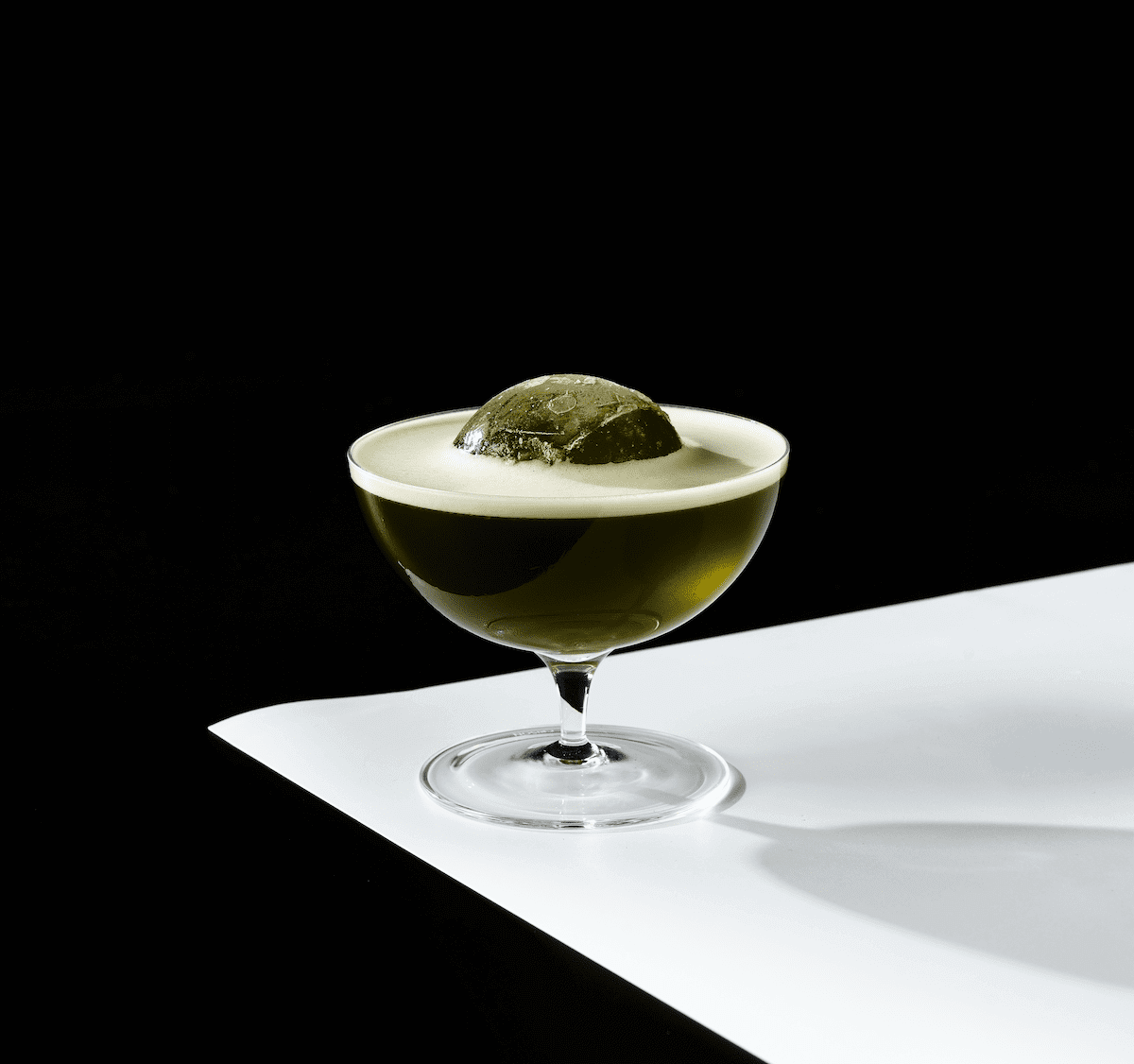
Thai food centers on the savory, they remind us, and their most interesting cocktails do too. Their Pad Thai cocktail, from the mains, portrays one of Thailand’s most iconic dishes in liquid form.
“Pad Thai has a lot of flavor. Not many people play around with something aromatic like the leek that’s in it – it’s too intense somehow if you put it in the drink – so we distill it to get the aroma.” There’s a Thai Milk Tea Punch on the dessert menu too, “that transforms nostalgia into something drinkable.”
Guests don’t have to follow the set-menu format. “They can go straight to mains if they want something especially interesting,” Taln continues. Some guests discover their preference mid-journey: “Some visitors have a starter, then a savory main and realize that’s what they like the most and order another main.”
It’s something the Bar Us team is happy to entertain. “I mean, we love to make savory cocktails – it’s very fun,” Taln shrugs.
While Aum handles execution and Pongsakorn Akarabunditsaku manages service, Taln orchestrates the creative vision. Innovation happens constantly.
“We add new cocktails quite often – every month we should have a new one coming.” Some drinks emerge in thirty minutes when inspiration strikes. Others take longer. Many arrive first as hidden menu shots, complimentary experiments that make guests “feel more comfortable” while testing new territory.
Customer feedback shapes direction. Sometimes it’s requests for more dessert-style drinks, sometimes their own desire to play with challenging ingredients like that leek in the Pad Thai. “We love to play with spice too without compromise – in fact American guests love the spice as much as anyone so we make it universally appealing without tempering it.”
And so, heritage at Bar Us isn’t about dusty recipes. It’s about distilling Thai flavor into something entirely new. And considering their lofty position at number 4 on Asia’s 50 Best Bars 2025 list, and with it the title of Thailand’s Best Bar, it’s working.
Penicillin, Hong Kong & Shanghai: Sustainable Expansion Meets Local Icons
Like the team at Bar Us, who wear lab coat-style uniforms, at Penicillin the entire interior feels like the inside of a lab – white tiles and dusty lines of pill bottles along the back bar — which is apt for a bar named after Alexander Fleming’s discovery of the game-changing antibiotic, penicillin.
The Hong Kong bar has been a game-changer too in the cocktail industry which, this year, was ranked at number 27.
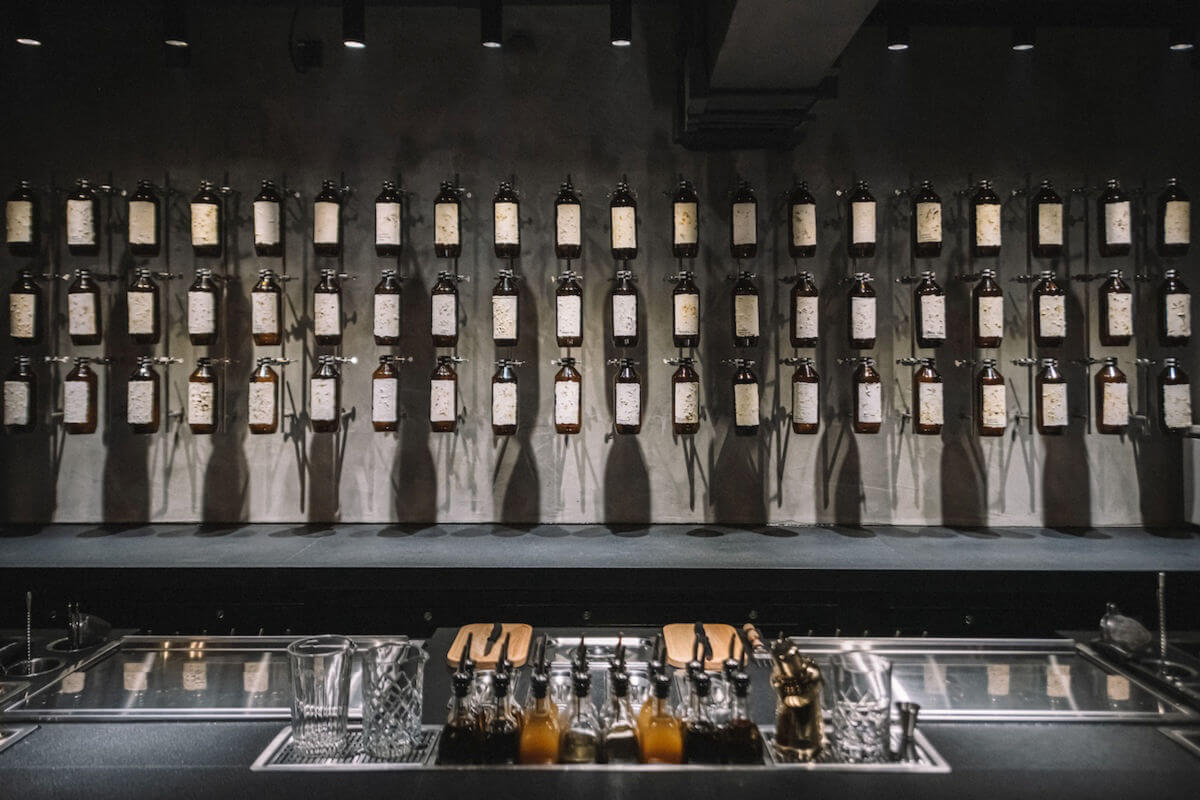
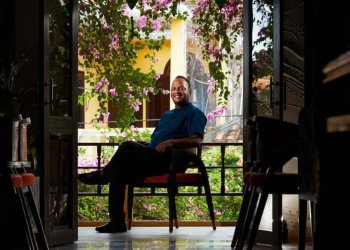
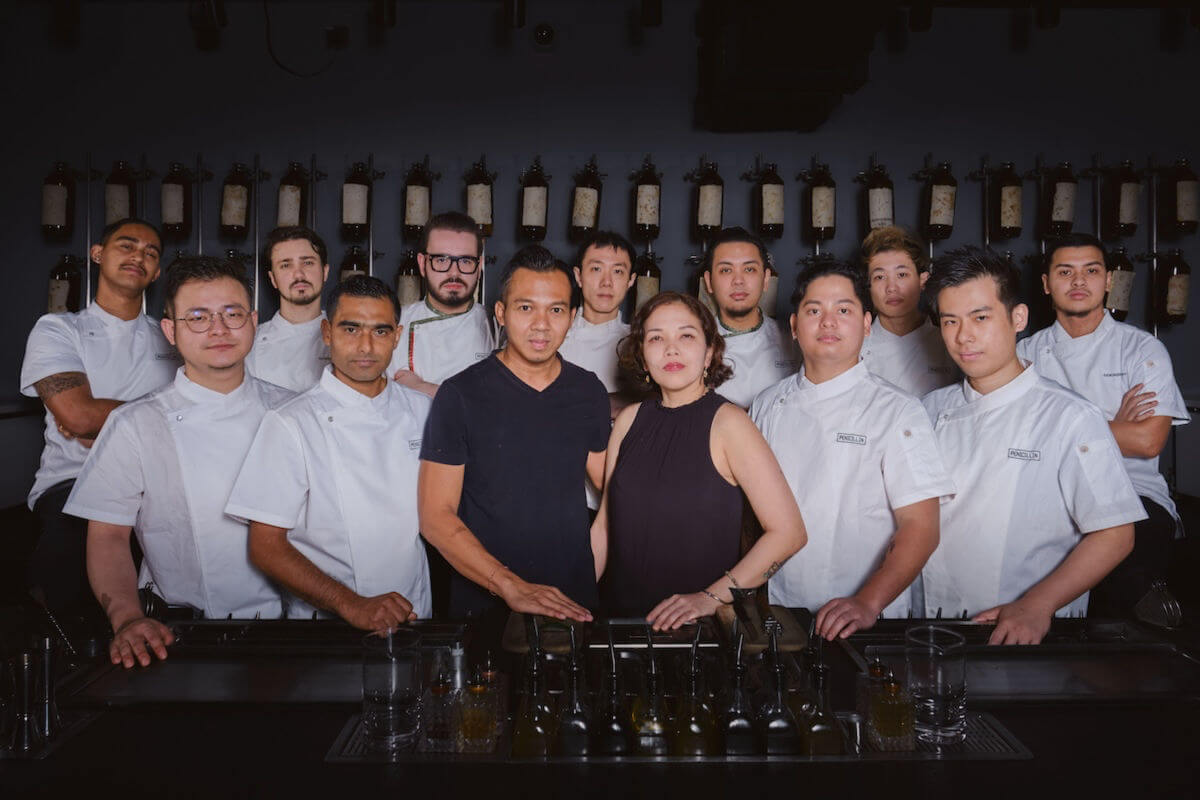
Founded by Agung Prabowo, Laura Prabowo, and Roman Ghale (Roman and Agung were the duo behind The Old Man, Asia’s Best Bar 2019), Penicillin opened in November 2020 as Hong Kong’s first sustainable ‘closed-loop’ bar and won Asia’s 50 Best Sustainable Bar Award just six months later. From upcycling potato peels into bar snacks to planting trees in Borneo for every signature cocktail sold, they’ve proven that zero-waste bartending isn’t just possible — it’s award-winning.
In May, they opened Penicillin Shanghai to scenes that surprised even the founders. “A queue of 70 people long at 5 o’clock on opening night,” Jamie McCleave, the general manager of the new branch remembers, widening his eyes.
He, Agung, and Laura had underestimated the public’s appetite for sustainable cocktails and Penicillin’s already esteemed reputation. It’s all a far cry from James’ origins in Bath, England — better known for pastoral pleasures and cider than any kind of cocktail scene.
“It’s fascinating for me to join and learn about fermentation,” James continues. “In the southwest of England, the cider capital, my dad used to try and make cider – not very well. But I remember my dog, when the apples fell, he would choose the moldy ones to eat. And I finally figured out why – alcohol!”
For Agung, sustainable processes like fermentation connect to his roots. “Originally from Indonesia, but in Hong Kong for 20 years, I learned a lot from my grandparents back home, like the fermented rice we’d serve during festive season. And they taught me how to ferment in banana leaves.”
Now China offers new possibilities. “We can do more around sustainability here. And each region has its own products. We’ve discovered mushrooms including morels in Yunnan. And we want to explore more ingredients,” Agung explains. James agrees: “With our sustainable ethos we can take a lot from local ingredients and traditional Chinese techniques. I’m still exploring too.”
The Shanghai menu splits between Penicillin classics and local innovations. James’ “How Bad Are Bananas?” exemplifies their approach — rabbit candy (iconic in Shanghai) redistilled with rum, local Chinese celery juice, and a banana-whey fermentation creating something “refreshing, creamy, with citrus, and a bubble-gum candy flavor.” The edible candy wrapper becomes garnish. “We’re using local ingredients but also the rabbit candy is an icon to Shanghai that hasn’t been used this way before,” James notes. “Personally I don’t like bananas – as you might guess from the name – but I love this cocktail.”
Vender, Taichung: Coin Drops And Cultural Mashups
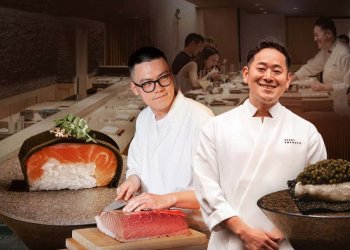
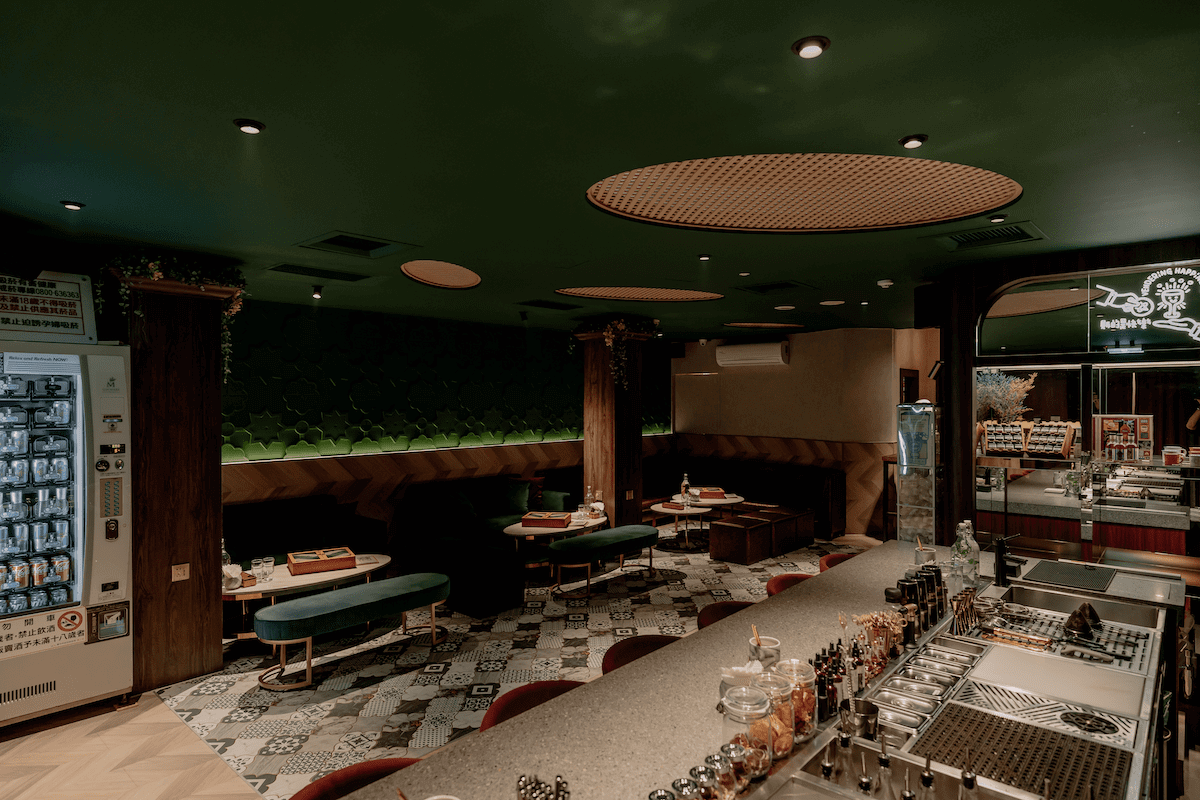
In Taichung, culture is unlocked with the satisfying clunk of a coin dropping into a slot. At their cocktail bar Vender, ranked number 20 at Asia’s 50 Best Bars 2025, Darren Lim and Summer Chen transform Taiwan’s ubiquitous vending machine culture into something unexpectedly sophisticated — a bar where you literally buy your way in and where Southeast Asian flavors pour out in liquid form.
With Sean Jhang as General Manager and Ning Ning leading Public Relations, the team has created something that feels both playfully nostalgic and genuinely innovative.
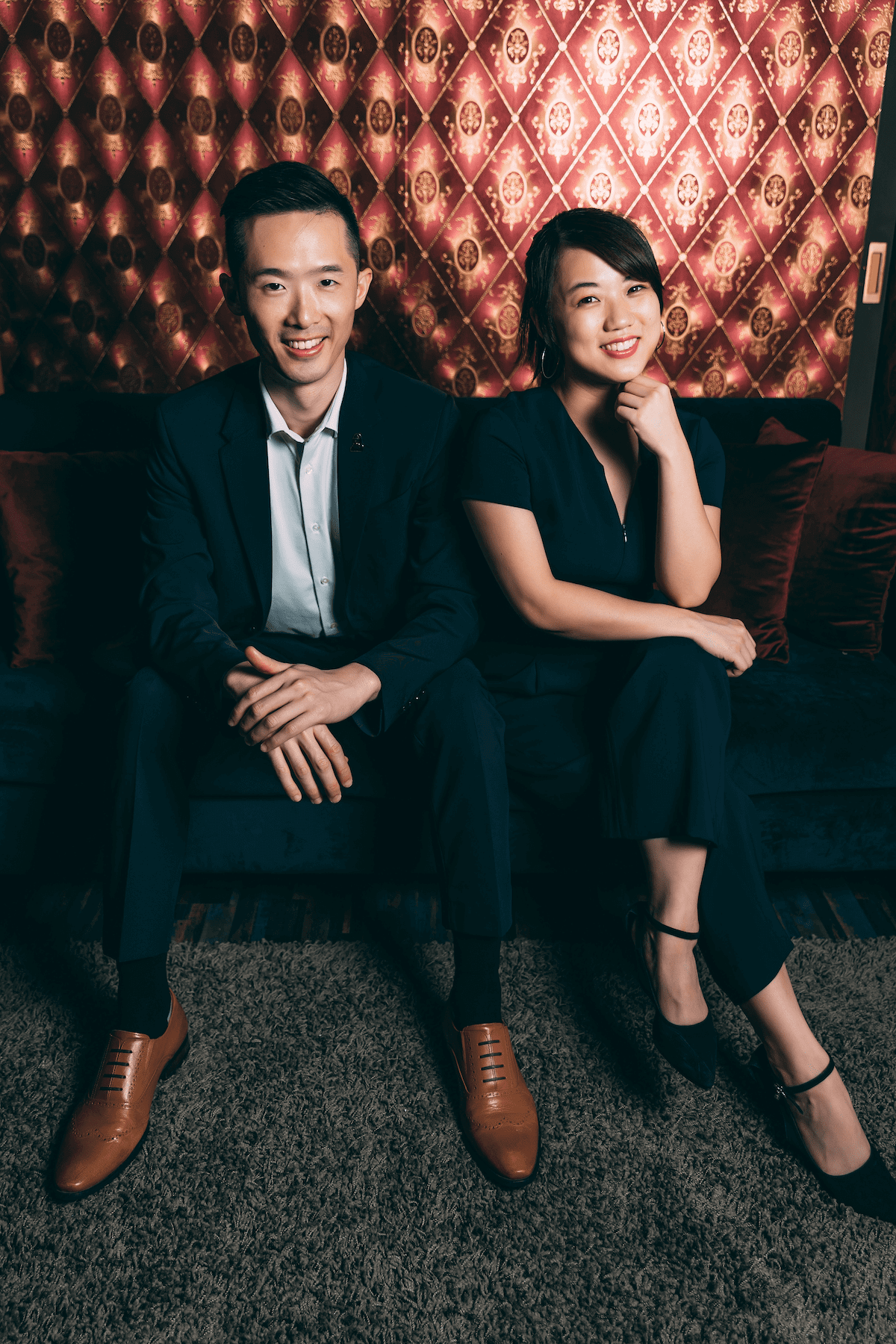
Flavors of Darren’s native Singapore infuse the cocktails, while the food menu nods to the region with bak kut teh and chili crab — comfort flavors dispensed through decidedly uncommon means. Even the tissue packs on tables reference Singaporean hawker culture: “We put a pack of tissues on the tables to reserve them for guests, just like people in hawker food markets in Singapore do when they go and pick up their food.”
“When we started Vender, we wanted to bring happiness to guests. Like every bar,” Darren explains. “But to differentiate ourselves we wanted to do that in physical form and so we landed on the vending machine concept.”
The menu philosophy emerged from necessity rather than nostalgia.
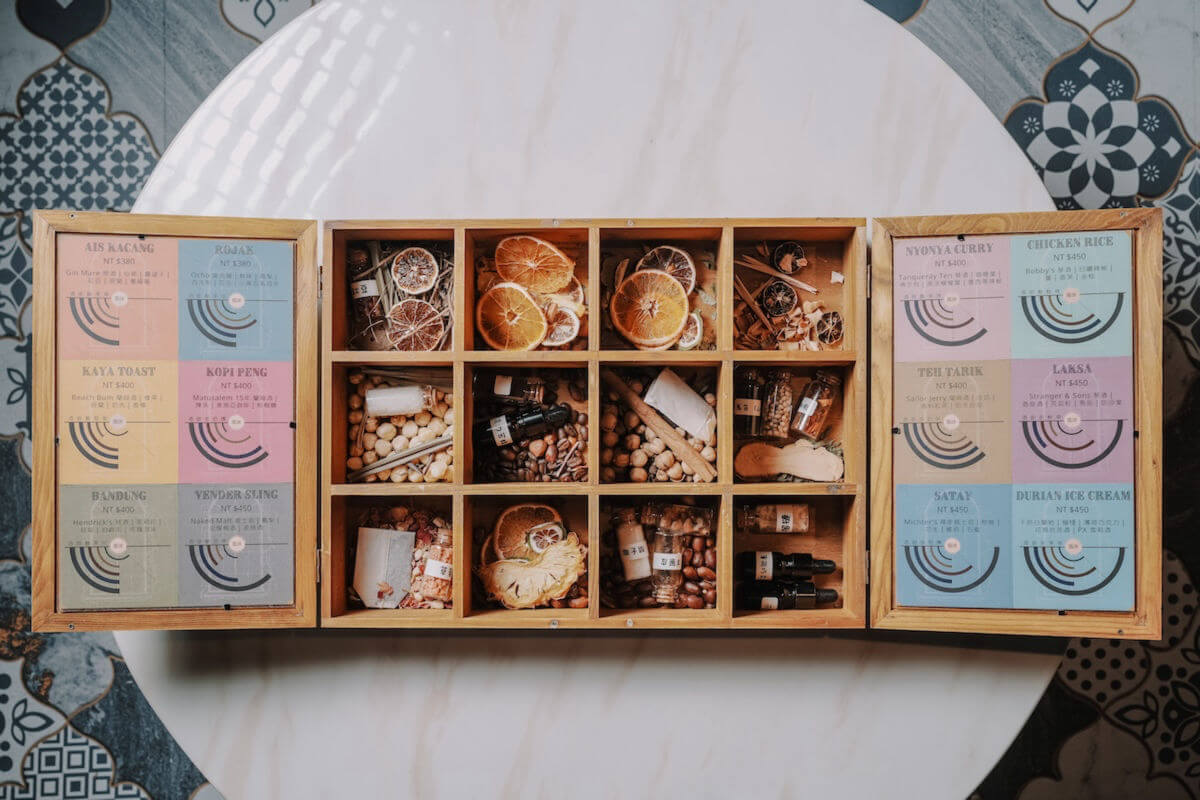
“When we came up with the menu, it was another way to differentiate ourselves. Ninety percent of bars here are making tea cocktails, and doing it really well. I’m Singaporean and Summer worked there for years. So we focused on Southeast Asian and Singaporean flavors — pandan, spices like black pepper, star anise, even durian. We went as far as to use salted egg to do a fat wash.”
Their Singapore Sling variation exemplifies their approach. “In Singapore, the most celebrated drink is The Singapore Sling, so we do a twist called the Vender Sling. If you order a Singapore Sling at the Long Bar at Raffles it comes with a bowl of peanuts — at Vender we serve it with a peanut garnish to simulate what it’s like drinking it in the Long Bar.”
Local ingredients bridge the gap between memory and innovation. “For example, we use maqaw pepper — a black pepper that if you crush it gives you a lemony zest flavor,” Darren notes. But it’s their food-and-drink pairings where heritage becomes tangible. “We have 18 cocktails, and 17 come with a side dish.”
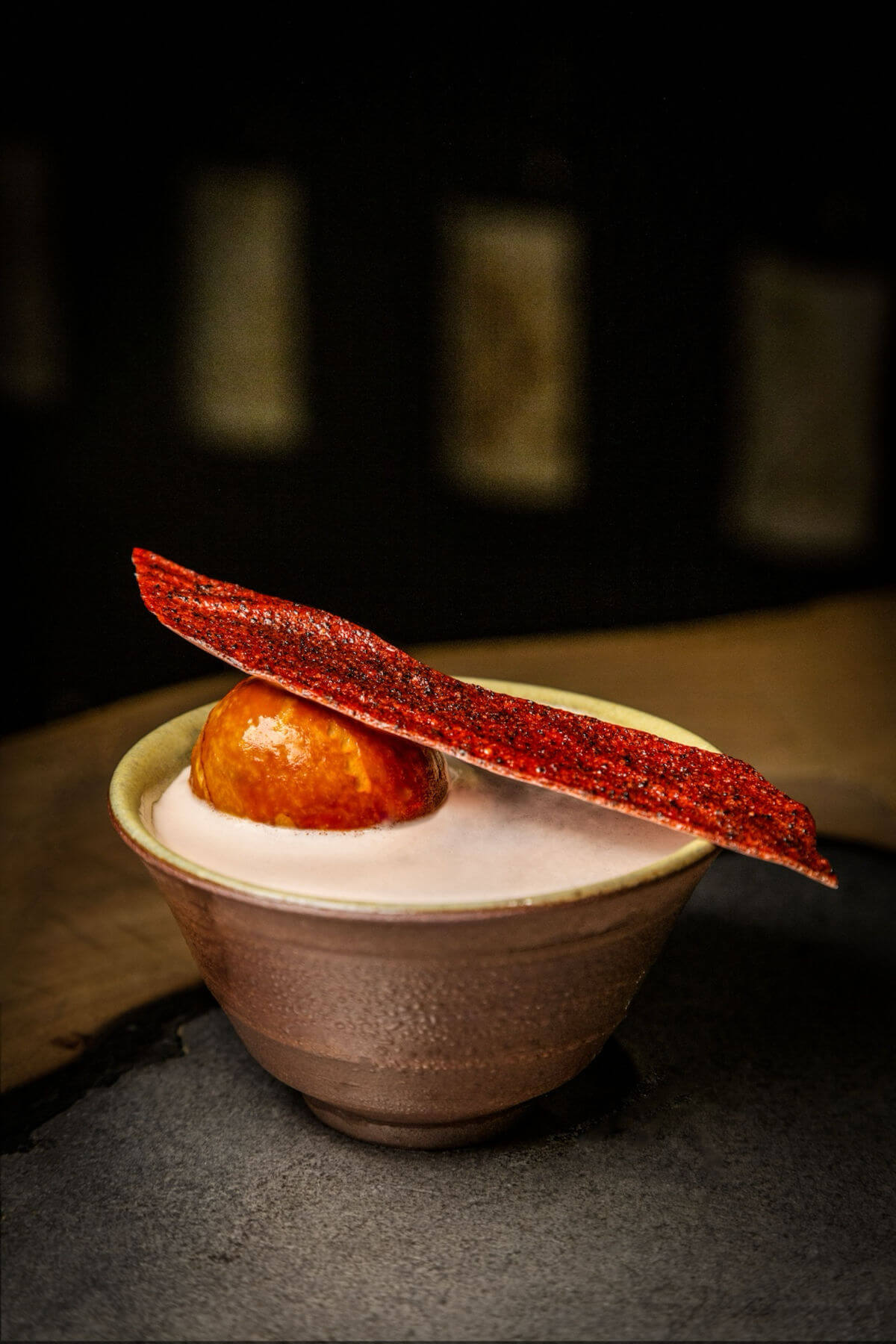
Their Kaya Toast cocktail arrives with actual kaya toast. Through milk washing, they infuse pandan and coconut into rum, add champagne to elevate the pandan aroma, then garnish it with homemade traditional biscuits and fresh pandan cream. And the Durian Ice Cream cocktail — with Spanish brandy, PX sherry, chocolate mint schnapps — comes adorned with fresh durian sandwiched between waffles.
Education drives everything. “I have 12 team members, 10 have been to Singapore. I’ll take them and show them around. The durian in Taiwan comes from Thailand so it’s very different to the one we get in Singapore, which comes from Malaysia.
Or there’s chicken rice, the unofficial national dish of Singapore — you can’t find a good one outside Singapore. So, I’ll show them around and when they go back and create a menu, or when they have to explain the inspiration they can. It’s experiential.”
Penrose, Kuala Lumpur: Creating A Culture One Cocktail At A Time
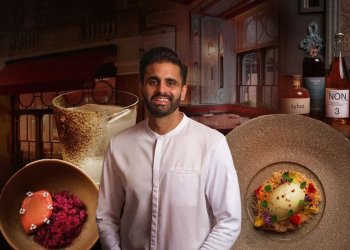
At Penrose, Kuala Lumpur – this year ranked at number 10 on Asia’s 50 Best Bars list and the best bar in Malaysia — Maria Escobia, Jon Lee and Brandon Tan are, they admit, far less obsessed with culturally-infused cocktails. The trio — Jon as owner and head bartender, Maria as Bar Manager, and Brandon as Maître d’ — opened three years ago in one of the city’s most tourist-heavy districts, deliberately building Penrose around functionalism, simplicity, and modernity.

The intimate space centers around bar-counter seating where the cocktails served come from five pillars — alcohol, flavor, taste, body, and dilution — a framework that strips away theatrical flourishes and cultural storytelling to focus on fundamental excellence.
It’s an approach that honors classics while incorporating selected local ingredients, without needing to justify every choice through the heritage narrative.
“Malaysia is a young country, so we’re not really rooted by the weight of centuries of heritage — particularly with cocktail bars,” Lee explains. “When we opened Penrose we wanted to create a cocktail culture.”
His training under Joe Schofield at London’s Savoy still influences his approach, but he deliberately chose not to replicate traditional London bartending with his team. “Plus, at that time almost every bar here was using local ingredients. We didn’t want to step on anyone’s toes and follow their styles. We wanted to create our own identity.”
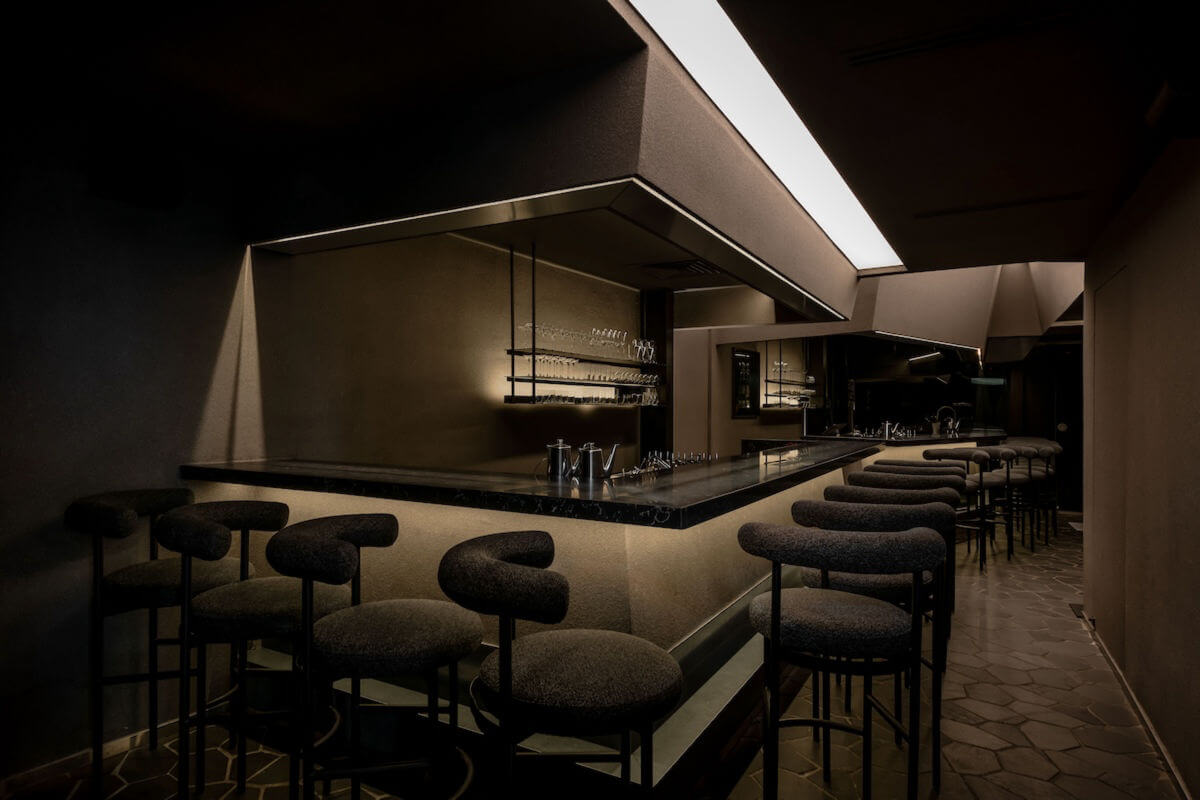
They do use local ingredients, but quietly. “In our Banana Daiquiri, we use distilled local bananas, add sherry, tonka bean, rum, burnt butter — flavors everyone can relate to, but done in a classic style,” Lee notes.
“Understanding the history of where a classic comes from is storytelling already — then we elevate it with a little flavor or fruit from Malaysia. Sometimes the ingredients might remind you of nasi lemak, but it’s not really there,” Maria adds in.
Their Storm & Spice is a good example of this subtlety. “The ginger gives you spiciness at the end. It tastes like the ginger in Chinese cooking, the one used in ginger wine chicken — that spice is killer, and the drink has that relatability,” Brandon enthuses.
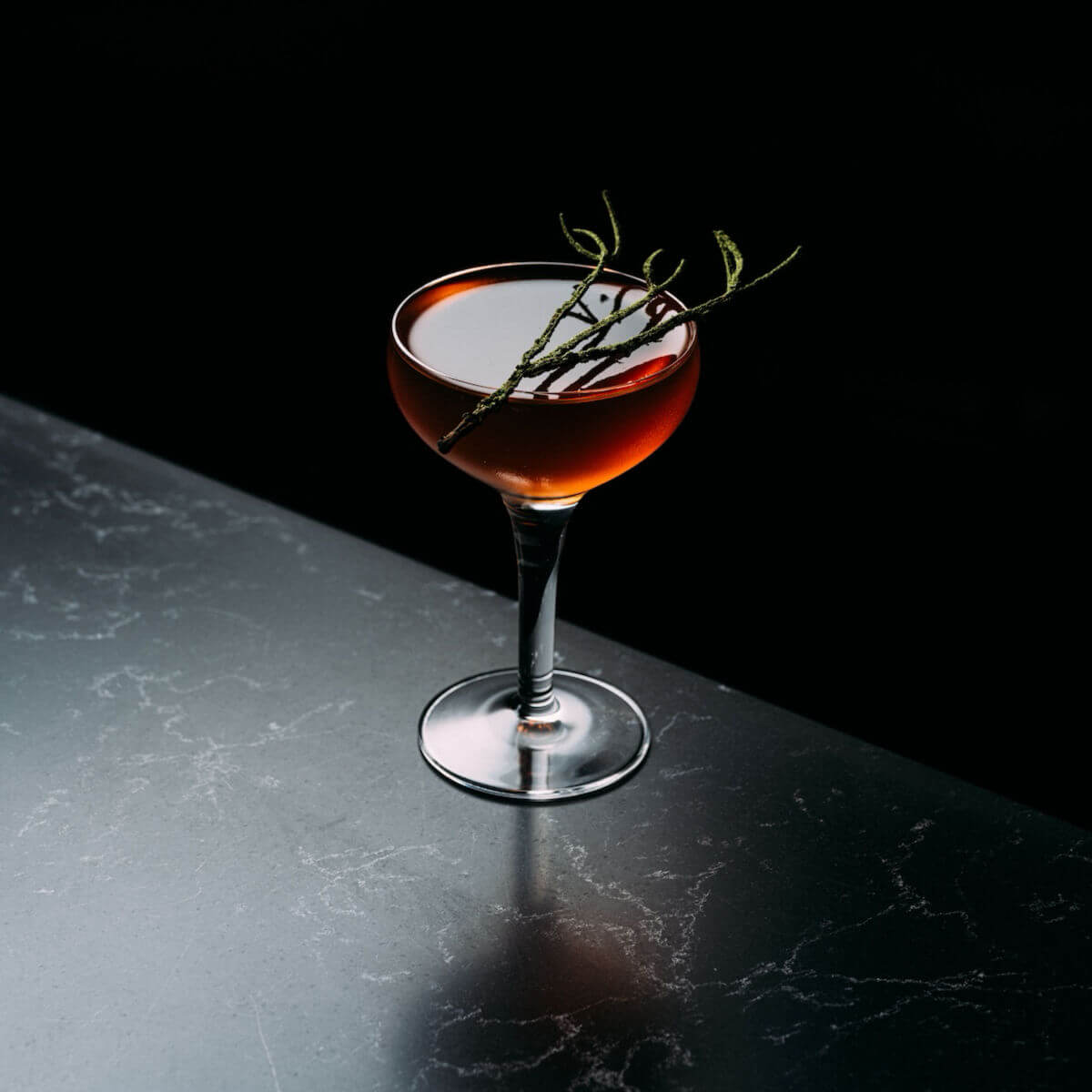
Their five-pillar system provides structure without rigidity. “What’s the alcohol, what’s the flavor, what body — bitters or sherry — and taste: sweet, sour, salty, bitter. We might use tamarind instead of lemon juice for our sour. Then we think: is it going to be a highball, a sour? With tamarind we might make it a sour. What’s the dilution? Shake or stir? We usually get it done on the second try.”
Four Bars That Take Culture And Heritage And Distill It, Vend It, Sustain It, Or Create Their Own From Scratch
All four bars say something different about culture and heritage, by distilling It, vending It, sustaining It, or create their own from scratch in their cocktails: Bar Us by zeroing in on savory Thai dishes and turning them into drinks, Vender blending the founders’ love of Singaporean culture (and Taiwanese vending machines), Penicillin taking their sustainable philosophy to Shanghai, and incorporating local icons like rabbit candy, and Penrose, flipping a middle finger to all that and creating their own cocktail culture that sometimes whispers of local flavors.
They’ve all succeeded by being honest about what they actually are. Bar Us doesn’t pretend to be traditional; they’re designers making liquids that happen to taste like Pad Thai. Vender doesn’t hide behind authenticity; they’re cultural tourists sharing their genuine enthusiasm. Penicillin doesn’t force local ingredients; they adapt their mission to each city’s possibilities. And Penrose doesn’t apologize for their minimalism; they’re bartenders creating their own culture, middle fingers raised.