


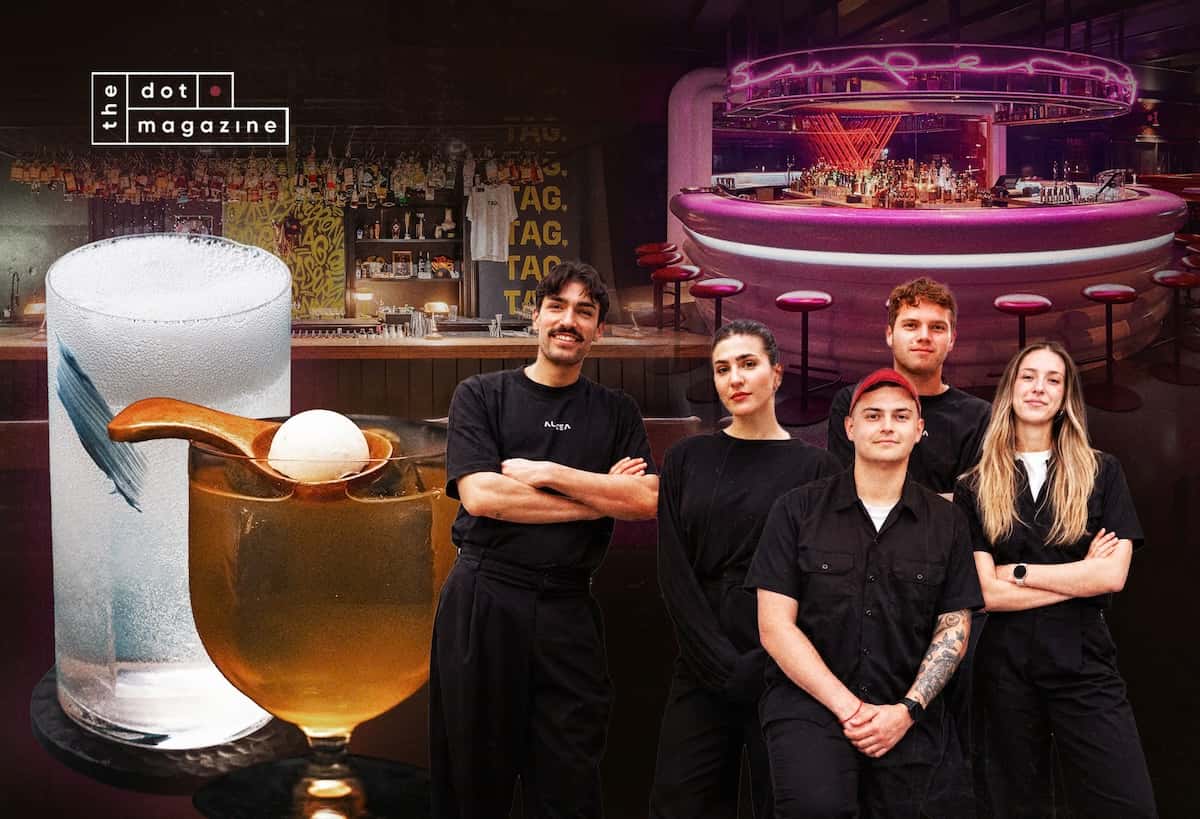
The teams behind the best bars in Europe will tell you the drink isn’t the entire point. Catch them at the right time, like we did at the launch of Europe’s 50 Best Bars in Amsterdam, and they might instead tell you about the person they served their menu to over a decade ago who still remembers it. The cocktail comes later – somewhere behind a good conversation and, on a night off, a cold beer.
Europe’s 50 Best Bars named its first-ever list this year. Among the winners was a consensus: the cocktails aren’t what these bars are really about.
What matters more, they contend, is harder to bottle. Community. Memory. Service. A room full of people who prefer having a good time over analyzing a menu.
Given a choice, the people behind these bars might not even order something clarified, switched or spun through a rotovap themselves – it might just be a cold beer among friends. These are some of the most technical drink-makers on the continent, people who freeze spirits to concentrate them and blend memories into cordials, but the drink, it turns out, is the last thing they’d point to, not the first.
It Takes A Village At Aldea Barcelona
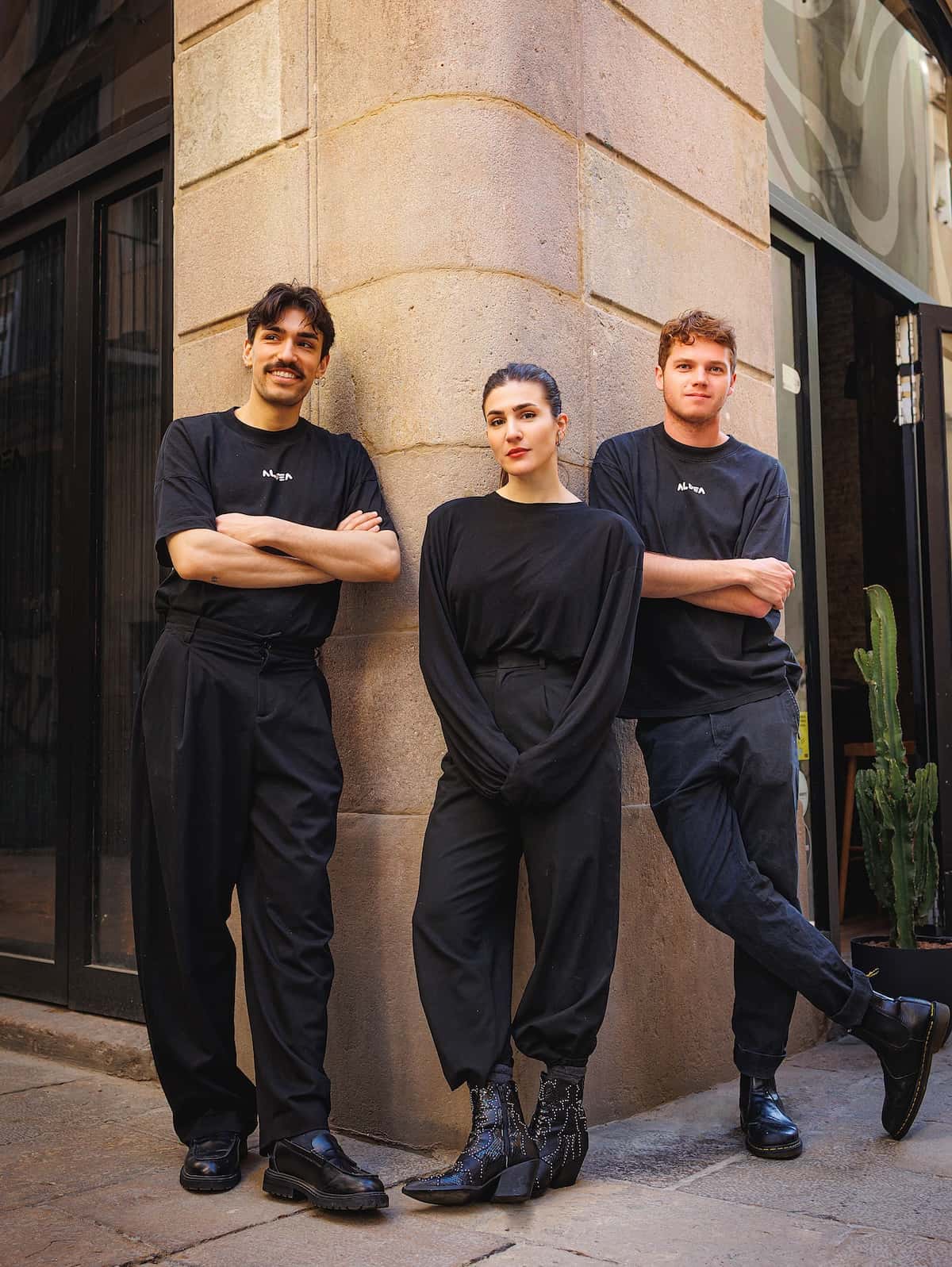
At Aldea, the big idea came before the cocktails: build a community. “The name means small village,” co-founder Silvia Dorninger frowns at her own attempted translation. She and fellow co-founder Francesco Falco reckon they manifested the space – they’d dreamed of exactly this kind of corner spot, two floors, windows top to bottom – and found it in Barcelona’s Born district.
They manifested Kieron Sommer too, part of a team now five strong. “We knew we wanted someone who could speak different languages, with a farming background, who could bartend,” Silvia says of a near-impossible brief. Kieron – “who even speaks German!” she exclaims – had just got back from Australia. Now he splits his time between the mountains and the bar, coming down with produce “that goes in the rotovap.”
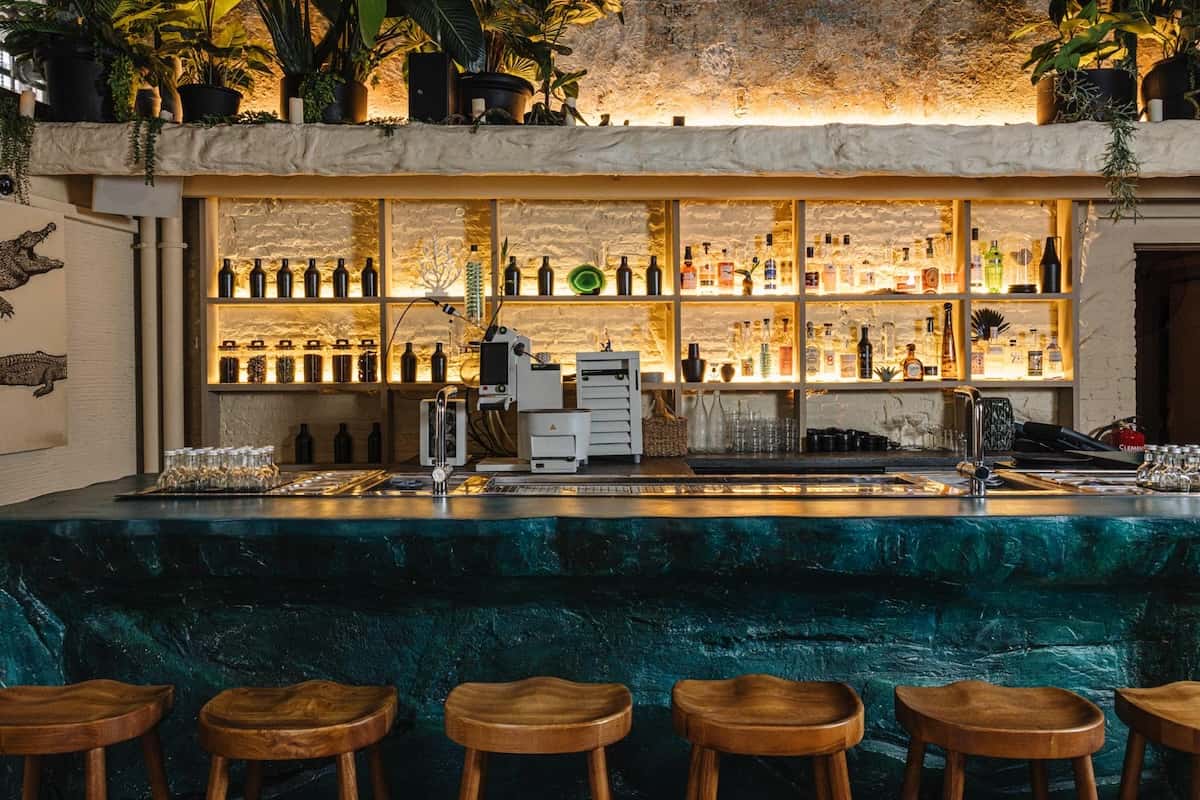
For all the accolades – Aldea was ranked No. 26 at Europe’s 50 Best Bars 2026 – the bar is only a year old. In that time they’ve learned to handle liquids other than cocktail ingredients. “The dishwasher leaked and flooded the bar, and we had to mop it up between shifts on a Friday night,” Francesco laughs.
Even when their minds are on the cocktails, it’s through the lens of community – specifically, people’s memories. They call the new menu Momento. It’s an exploration of what memories taste like. They asked friends and regulars to fill in a questionnaire about moments they remembered. “One man was living on a boat, and every day at sunrise he’d go up on deck and watch it with a coffee in his hand.” The drink that memory became has guests saying the same thing – that it’s one they could happily have in the morning. A stranger’s sunrise, served to whoever’s at the bar. That village again, poured out one memory at a time.
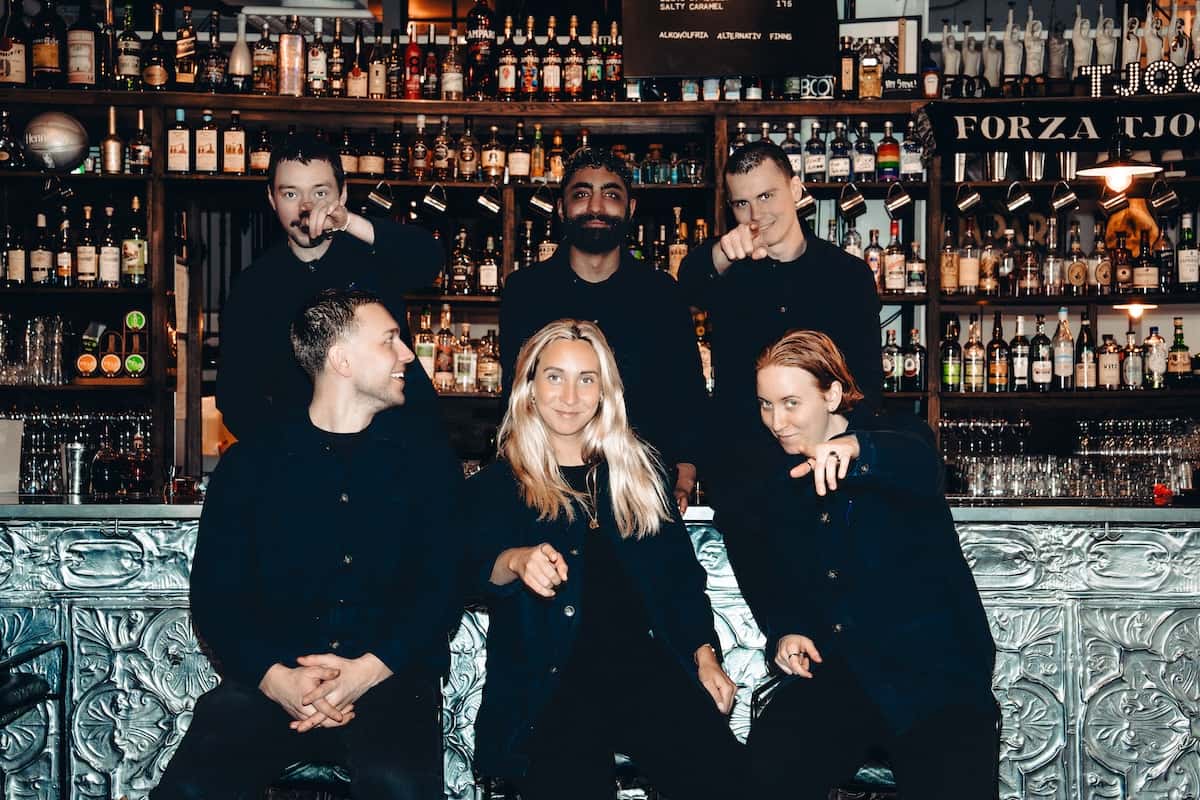
At Tjoget In Stockholm Service Saves Everything
Tjoget is deeply embedded in its community too. “We’ve always been a neighborhood bar,” co-founder Andreas Bergman contends – even though that bar has grown into a 300-seat goliath housing a dining room, a chambre séparée, a wine bodega, a beer café and a cocktail bar.
The changes haven’t only been inside. When Tjoget opened, its working-class corner of Stockholm “was pretty much nothing – that’s why we got the opportunity to open there.” The rent was cheap and it was an easy thing for two twenty-nine-year-olds to do.
The area has gentrified since, even as the bar has held on to regulars from those early days – “the people that show up four times a week, and they’ve been there since day one.” They ask for drinks nobody can quite remember. “Do you remember this drink from ’04?” Andreas laughs. “No, not really.” But the recipes are kept, and the old bartenders are a phone call away.
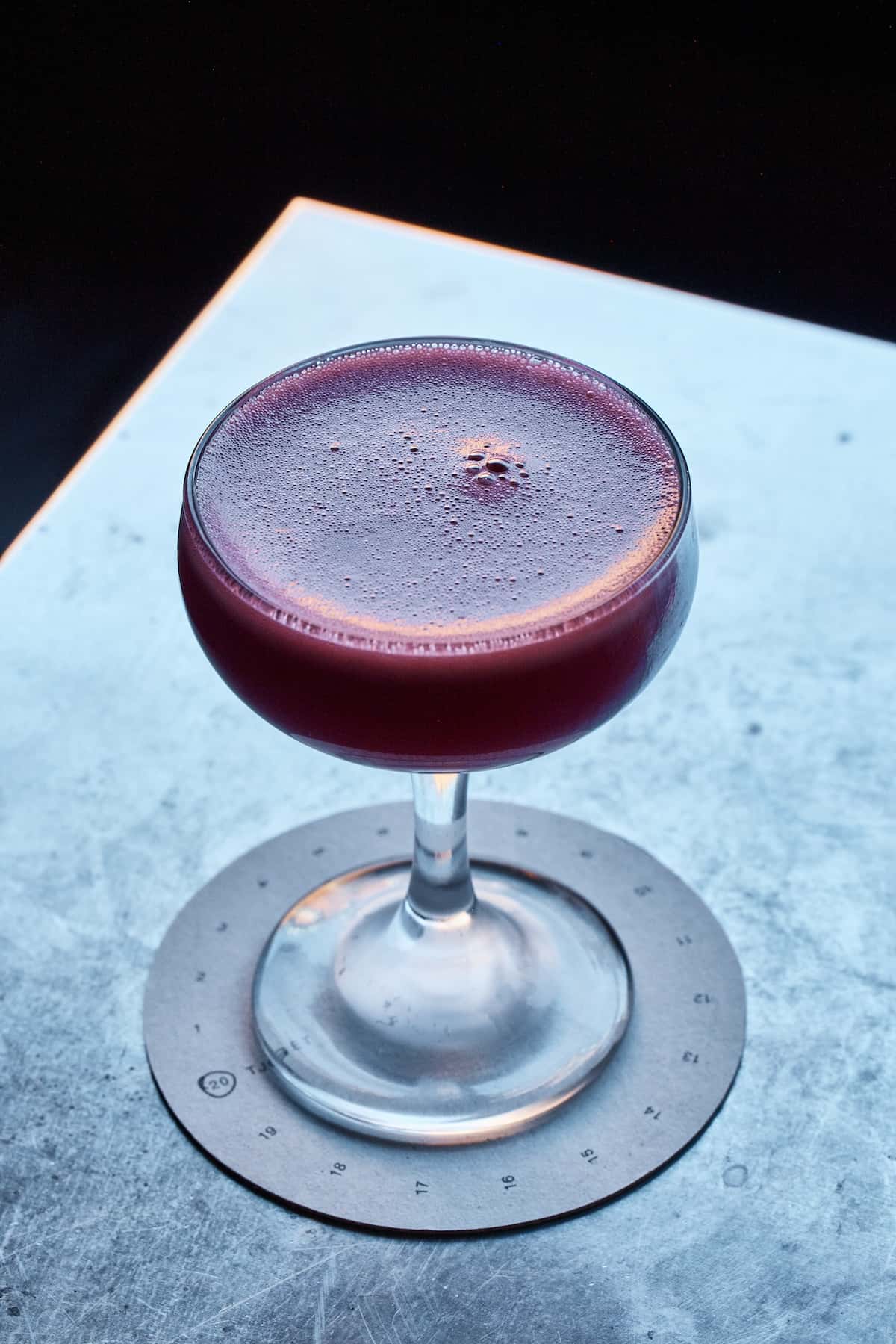
They’re referring to drinks like Tjoget’s Big Sky Sjokett, a vodka sour with beetroot, coconut and ginger. Andreas remembers that one. “That was the first time we used a sous vide machine, about twelve years ago. Which made us think there are other ways of doing something.”
But consistency at the bar was never only about the drinks. “For us it’s not only about the cocktails – it’s about our guests having a good time. That’s why we’ve kept succeeding. ‘I had a great experience, the waiter was fantastic, the bartender was amazing.’ That’s what you talk about first. You don’t lead with the drink being unbelievable – that comes second or third.”
“Service saves everything,” Andreas insists. “Your drinks can be mediocre, warm and awful, but you have the best time. You have to do it all well – but if the service isn’t there, you’re never coming back.”
It is, of course, the kind of thing a bar with very good drinks can afford to say. Put a warm, awful cocktail in front of a guest at any of these rooms and the service would not, in fact, save it. What they mean is narrower and truer: once the drink is good enough, it stops being the thing anyone remembers.
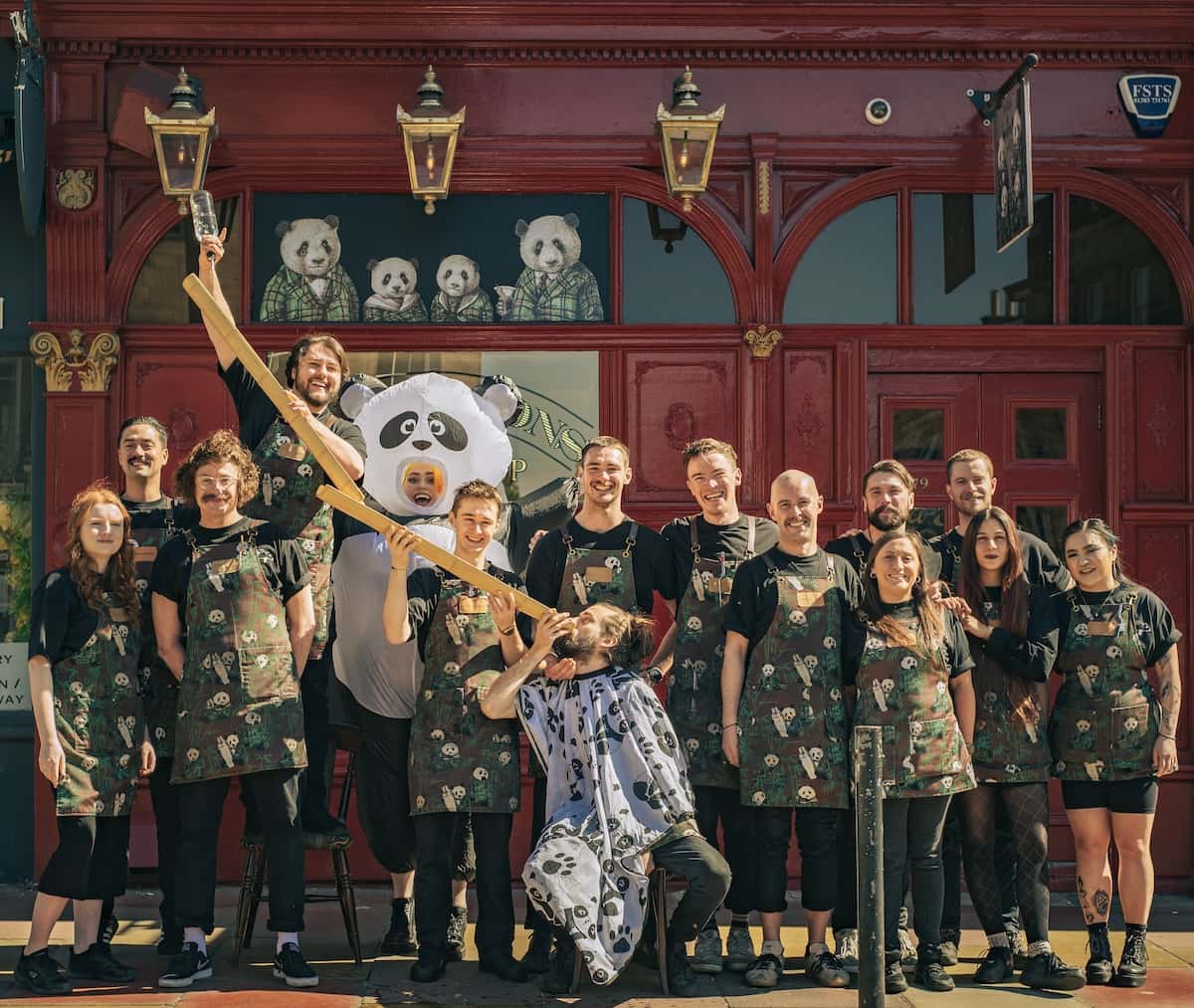
Edinburgh’s Panda & Sons Is Chaotic And Fun First Of All
Iain McPherson opened Panda & Sons a year after Tjoget, behind a vintage barbershop facade on Edinburgh’s Queen Street, where they offer serious bartending done in an unserious way.
Fittingly, for a bar hidden behind a barbershop, assistant general manager Sean Moggach has the kind of handlebar moustache the old shop would have been proud to wax. “We’re chaotic and fun,” he agrees. “People come in expecting us to be high-end and very serious, and then we turn up.” A swan, he reckons – serene on the surface, legs paddling frantically beneath. “We’re not graceful and elegant.”
Panda & Sons’ drinks, inspired by what Iain calls the frozen realm, have been getting a lot of attention – a suite of half-scientific techniques with names like switching, where he freezes a spirit, lifts out the water that separates and fills the gap with coconut or something similar. The result, his Coconut Daiquiri, comes out fuller and richer than its watery cousin, and every bit as boozy. At his second bar, Hoot the Redeemer, they went further still, freezing cocktails into ice creams – “the obvious ones like piña coladas, and less obvious ones” like vodka and Irn Bru, which might be the most Scottish thing Sean can think of.
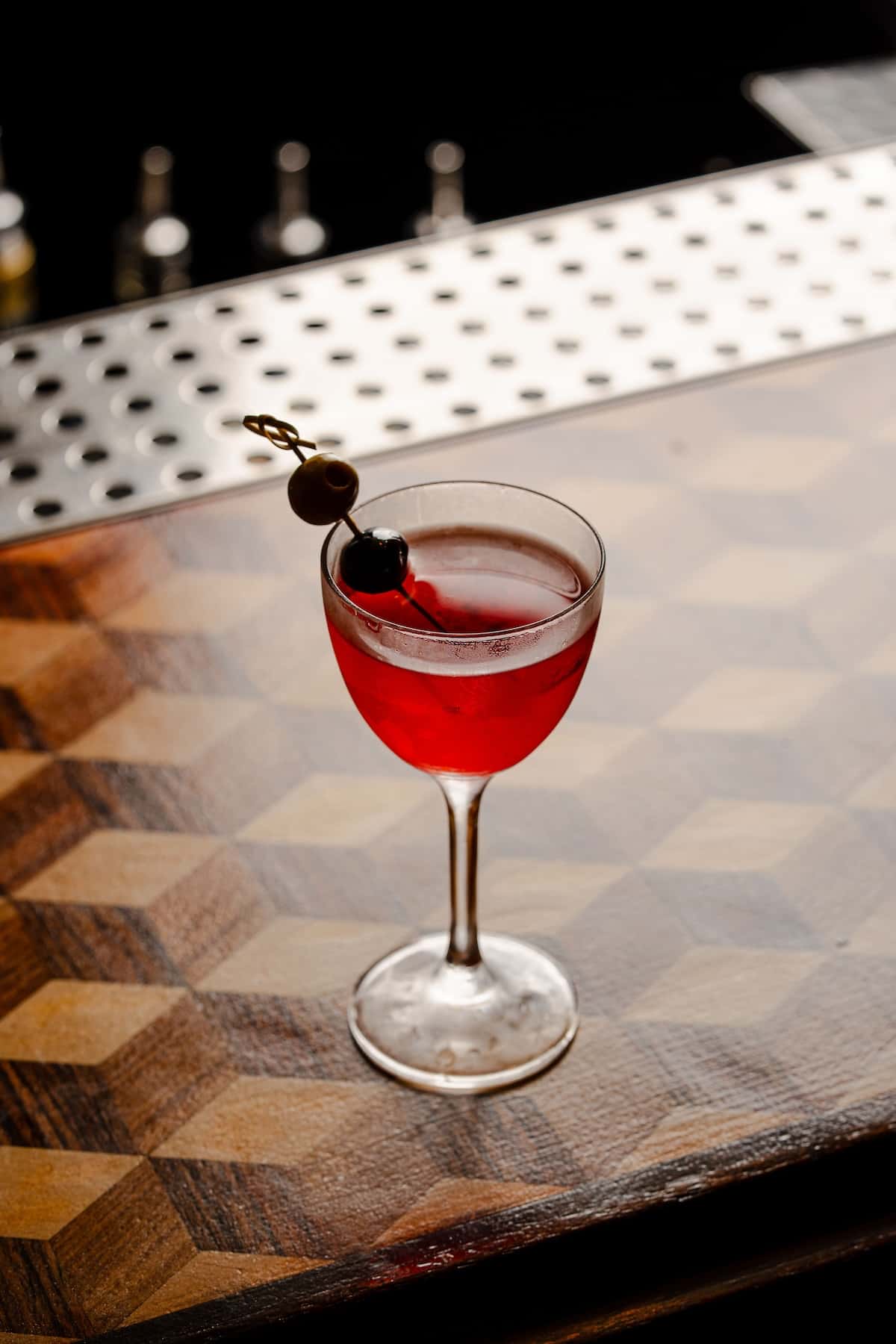
But the whole point is that none of it lands in your face unless you ask. “A lot of people don’t care about the technical stuff,” general manager Nicky Craig contends. “One percent might geek out,” Sean agrees, “but the hen do enjoying their Saturday night do not care – and that’s fine. You can go as deep as you like on the menu, or you can come in and just have a beer.” Hospitality first, he calls it, with geeky technique as the backup rather than the show. “It’s what people remember,” he nods.
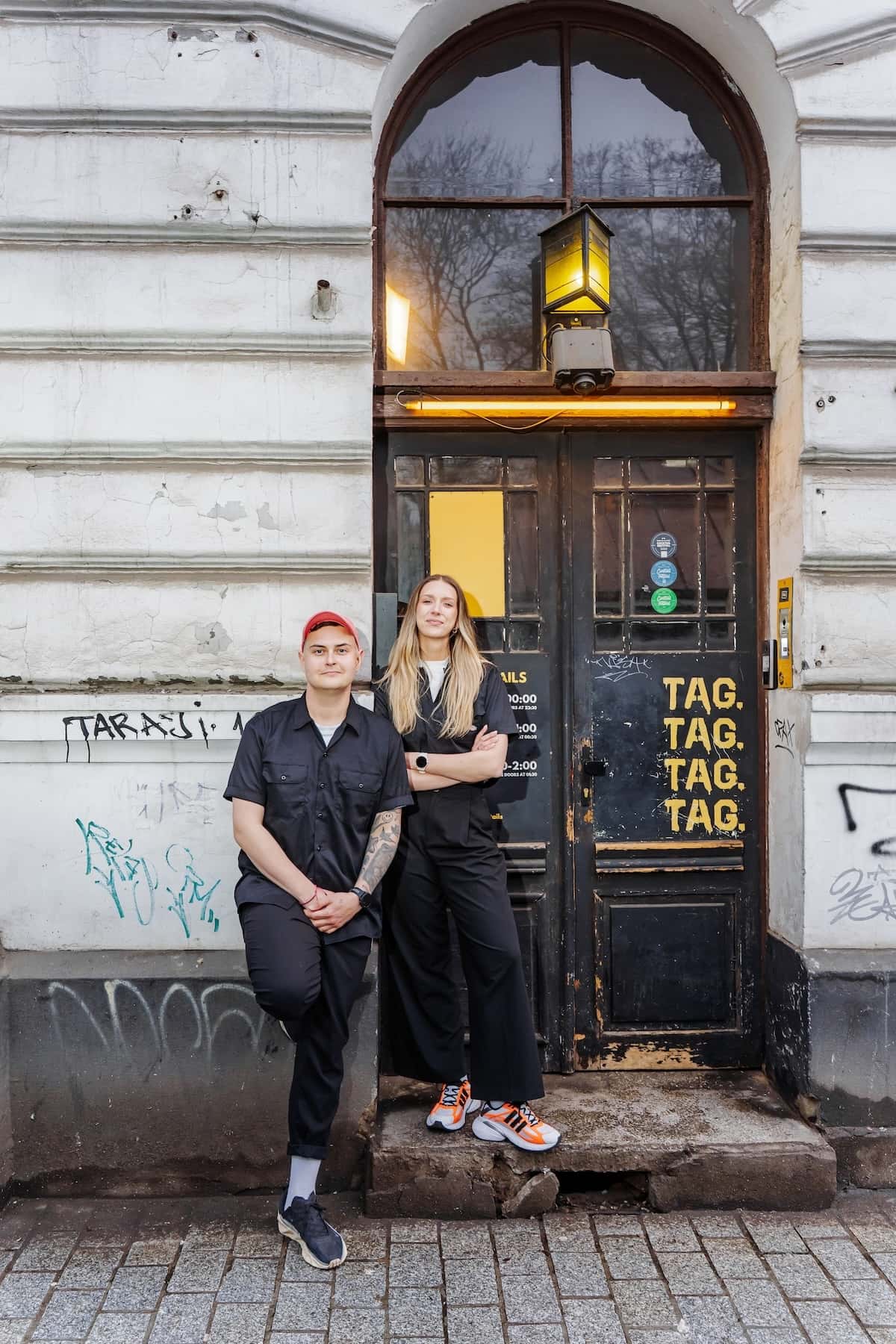
Tag Bar Krakow Has Street Art, Notorious B.I.G. And Polish Rap On The Speakers And Guinness On Draft
Tag Bar opened in Krakow in 2020 with a related idea. The name is a graffiti term – the mark a writer sprays to claim a patch as their own. Its two founders met behind a bar in Poznan ten years ago, moved to Krakow six months later and never left – a snap decision that left its mark, like a tag.
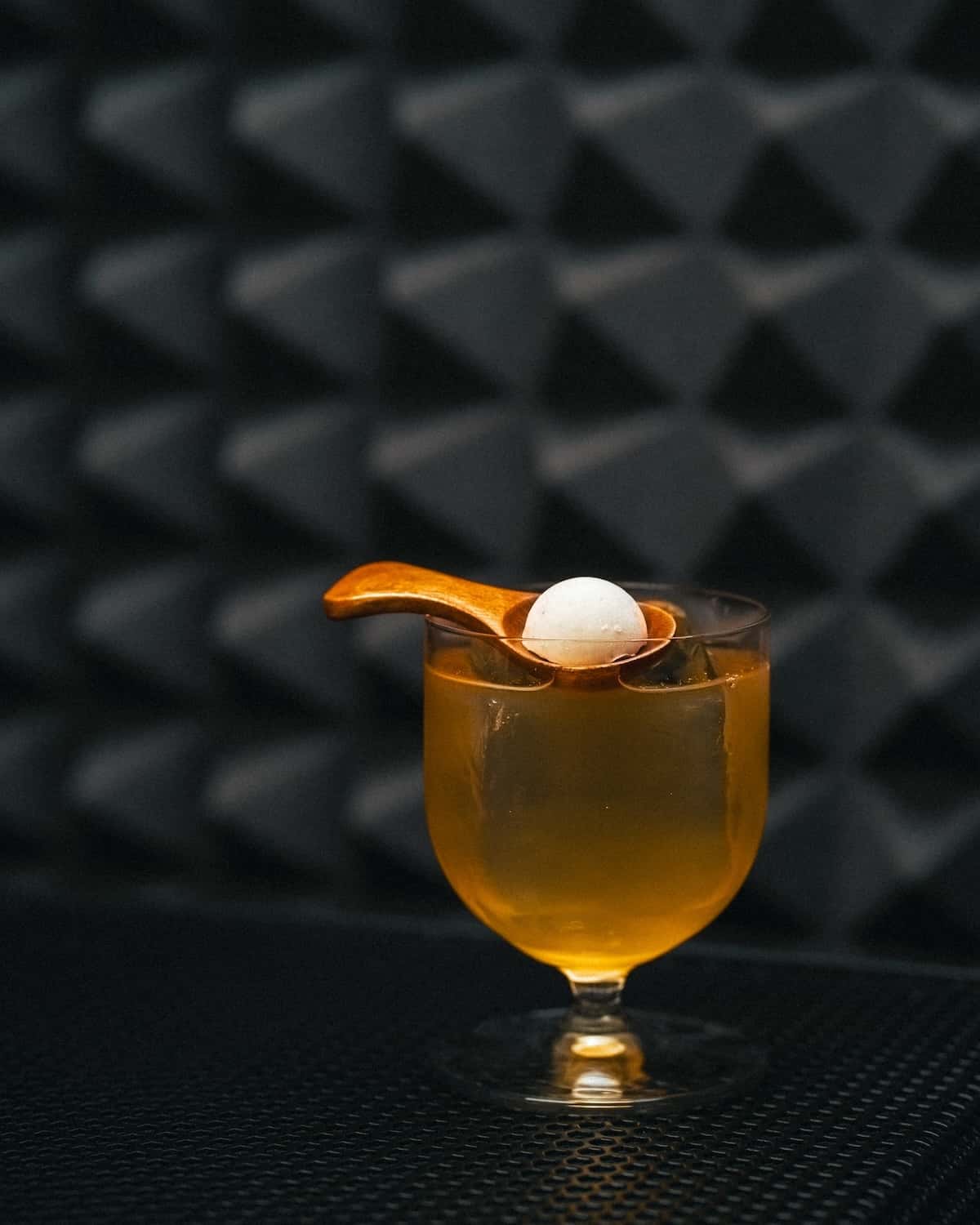
The bar wears its influences openly: black and yellow throughout, street art on the walls, Notorious B.I.G. and Polish rap – Peja, Taco Hemingway – on the speakers. The current menu, True School, is built like a vinyl record – fourteen drinks, seven a side, flip it to choose. “People in Poland are more into the theme behind it,” founder Maciej Mazur says – the concept, the decor, the music. The Polish soul shows up in the glass too, in unexpected places. Lovage, a herb you’d find in the kitchen long before the bar, turns up in a highball with a lovage cordial and a little vinegar – green and fresh, but still nothing like the usual mint and basil.
What Tag cares about most, though, is the region. Nobody there thinks Krakow will be the next Milan or Paris, and nobody wants it to be – but Central and Eastern Europe as a whole is becoming somewhere people want to explore, from Ljubljana to Bratislava. To push that along, Tag runs Bar Exchange, now in its third edition: three international bars and one Polish, a bridge to the rooms in Gdansk or Katowice that never got the international connection. “Poland has nothing to be ashamed of,” Maciej says. “It’s just missing this.”
So after all the twisted classics, the vinyl menu and the lovage, its something else that they’d order at their bar. “Guinness,” Maciej and bar manager Alicja agree. They’d spent the night before several pints deep with the team from Panda & Sons – not a cocktail between them.
Somewhere in there they’d reached the conclusion that what makes a bar good isn’t the drinks at all. It’s who you’re drinking with. “What actually matters,” Maciej shrugs, aware of exactly how it sounds coming from a bar built on cordials and concepts, “is the vibe.” And maybe Guinness on tap.